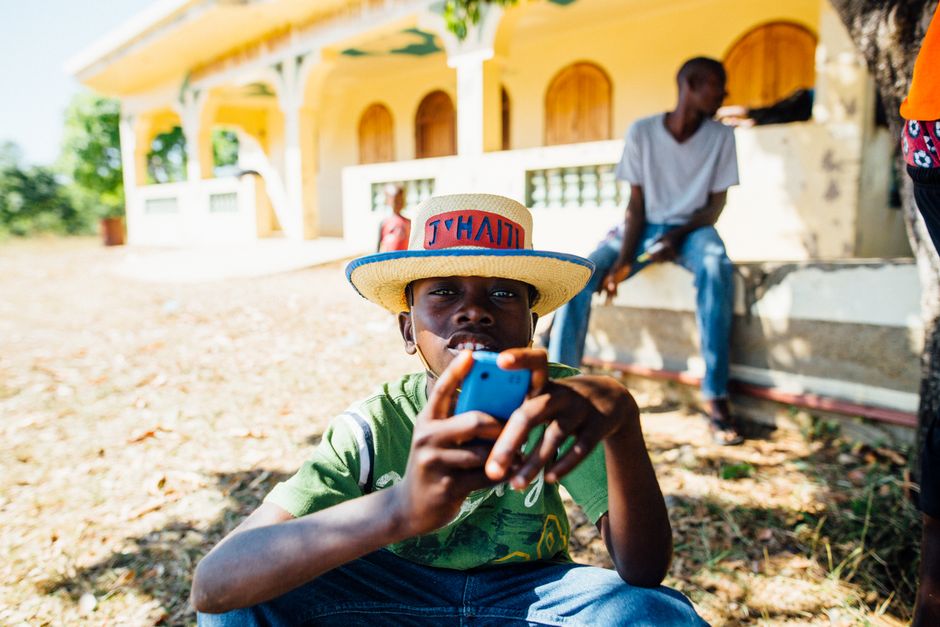
What Language Do Haitians Speak
What language do Haitians speak? Haitian Creole, a vibrant and unique language, is the heart of Haitian culture. Born from a confluence of historical forces, it’s a captivating blend of French, African, and indigenous influences, forging a linguistic identity that’s uniquely Haitian. This language, spoken by millions, embodies the island’s rich tapestry of heritage and experience, woven into the very fabric of Haitian life.
Haitian Creole, while often associated with everyday conversations, plays a crucial role in formal settings as well. It’s the language of education, literature, and media, ensuring its continued vitality and importance. Its evolution reflects Haiti’s history, mirroring the complexities of its past and the resilience of its people. A journey through Haitian Creole unveils not only the language itself, but the very soul of Haiti.
Haitian Language Overview

Haitian Creole, a language deeply rooted in the history and culture of Haiti, stands as a testament to the complex interplay of linguistic influences. It is a vibrant and vital part of Haitian identity, used in various contexts from everyday conversations to formal settings. Understanding its origins, evolution, and characteristics is crucial to appreciating the rich tapestry of Haitian life.
Concise Description of Official Language
Haiti’s official language is Haitian Creole, a language spoken by the majority of the population. While French is also officially recognized, Haitian Creole is the primary language of everyday communication. Haitian Creole is spoken and written, used in informal conversations, everyday life, and even in some formal settings like local government or court proceedings. Its presence is prominent in media, particularly in radio, music, and cinema.
Haitian Creole is also an integral part of Haitian education, though the medium of instruction may vary depending on the level and institution.
Historical Context of Language Use
The development of Haitian Creole was significantly shaped by the historical context of the island’s colonization. The arrival of French colonists in the 17th century introduced French to the island, which eventually became a significant influence on the evolving language. However, the language’s evolution was profoundly impacted by the forced migration of Africans during the transatlantic slave trade.
This resulted in a unique blend of African languages, French, and indigenous Taino languages, creating the foundation of Haitian Creole. The period of enslavement played a crucial role in shaping the language, as enslaved people adapted and combined elements of their native languages with the languages of their oppressors. The language reflects a resistance and adaptation to the harsh realities of the colonial era.
Detailing Dialects and Accents
Haitian Creole exhibits diverse dialects and accents, influenced by geographic factors and local traditions. Variations in pronunciation and vocabulary exist across different regions of Haiti. For instance, the dialects spoken in the northern regions may differ slightly from those in the southern parts of the country, reflecting regional linguistic and cultural nuances. These variations are not necessarily mutually unintelligible, but rather represent subtle differences in pronunciation, vocabulary, and grammatical structures.
Social and cultural factors also influence the use of specific dialects or accents, as different social groups may favor certain linguistic features over others.
Linguistic Classification of Haitian Creole
Haitian Creole is classified as a Creole language, a distinct language formed from a mix of different linguistic origins. It’s a creole language with significant African influence and evolved from a pidgin to a full-fledged language. It’s considered a language of its own, distinct from French, even though French influenced it heavily. Its exact classification within the broader creole language family is subject to ongoing academic discussion and further research.
The precise linguistic family tree is complex, but generally, it’s seen as belonging to the broader Atlantic creole language family, influenced by West African languages, French, and possibly indigenous Taino languages.
Comparative Table of Haitian Creole and Caribbean Creoles
| Feature | Haitian Creole | Jamaican Patois | Haitian French |
|---|---|---|---|
| Vocabulary Origins | Primarily French, with significant African and indigenous influences | Primarily English, with significant African influences | Primarily French |
| Grammar Structure | Subject-Object-Verb (SOV) order, with distinct features of Creole grammar | Similar to English, with some Creole influences | Similar to French, but with Creole grammar elements |
| Pronunciation | Specific phonetic variations depending on the dialect | Specific phonetic variations depending on the dialect | Specific phonetic variations depending on the dialect and context |
| Formal vs. Informal Use | Used in both formal and informal contexts | Primarily used in informal contexts | Primarily used in formal contexts, although Creole is growing in informal settings |
Writing
Haitian Creole, while having a rich oral tradition, also has a significant written form. Haitian Creole writing systems developed gradually over time. Its written form has expanded to include a wider range of uses, including literature, newspapers, and online communication. Haitian Creole’s written form has evolved from using a standardized orthography to adapt the language for written communication.
This orthography plays a crucial role in standardizing the language and ensuring its effective written representation.
Haitian Creole Grammar
Haitian Creole, a French-based creole language, possesses a unique grammatical structure that sets it apart from standard French and other languages. Its development from a blend of African languages and French has resulted in grammatical features that are both distinct and intriguing. Understanding these features is crucial for effective communication and comprehension.The grammar of Haitian Creole, while drawing inspiration from French, diverges significantly in its structure and vocabulary.
This difference stems from the linguistic influences of the African languages that contributed to its formation. The result is a language with a distinct rhythm and flow, different from its French ancestor. Learning Haitian Creole grammar requires a focused approach that acknowledges these nuances and variations.
Basic Sentence Structure, What language do haitians speak
Haitian Creole follows a relatively straightforward subject-verb-object (SVO) sentence structure, similar to English. However, the word order is not always rigid. Flexibility in word order is common, especially when emphasis is required.
Verb Conjugations
Haitian Creole verbs do not typically conjugate based on tense in the same manner as French. Instead, they use auxiliary verbs and particles to indicate tense, aspect, and mood. This approach creates a more concise and direct sentence structure.
| Haitian Creole Verb | English Translation | Present Tense |
|---|---|---|
| Ale | To go | mwen ale ou ale li ale nou ale nou ale |
| Fè | To do/make | mwen fè ou fè li fè nou fè nou fè |
| Pran | To take | mwen pran ou pran li pran nou pran nou pran |
The table above presents a sample of common Haitian Creole verbs and their present tense conjugations. Note that the form of the verb remains unchanged regardless of the subject, reflecting the unique structure of the language.
Articles, Pronouns, and Prepositions
Articles in Haitian Creole, like in other languages, are used to specify nouns. Pronouns, which replace nouns, play a vital role in maintaining clarity and conciseness. Prepositions, similar to those in English, specify relationships between words in a sentence.
Examples:
- Li ale lakay. (He/she goes home.)
- Mwen renmen ou. (I love you.)
- Li ye nan lari a. (He/she is in the street.)
These examples illustrate the usage of articles, pronouns, and prepositions, demonstrating their role in constructing meaningful sentences.
Unique Features of Haitian Creole Grammar
Haitian Creole possesses several unique grammatical features that differentiate it from other languages. These include the use of double negatives, which can convey a positive meaning, and the absence of a formal/informal distinction in verb conjugations, which are consistent across all levels of speech.
Haitian Creole Vocabulary
Haitian Creole, a language spoken by millions in Haiti and the Haitian diaspora, is a fascinating blend of influences. Its vocabulary, a testament to its rich history, offers a unique window into the cultural and linguistic tapestry of the nation. This section delves into the diverse origins of Haitian Creole vocabulary, highlighting the significant contributions of French, African languages, and other languages.
It provides concrete examples, analyses of word origins, and a comprehensive overview of common expressions and slang.
Greetings (Specifics)
Haitian Creole greetings reflect formality and social context. These greetings are crucial for navigating social interactions.
| Haitian Creole | English Translation | Context |
|---|---|---|
| Bonjou | Hello | Formal, general greeting |
| Bonjou! | Hello! | Informal greeting |
| Kouman ou ye? | How are you? | Formal greeting |
| Kouman ou ye? | How are you? | Informal greeting |
| Ki sa ki nouvo? | What’s new? | Casual greeting, asking about recent events |
| Byen | Fine | Response to “How are you?” |
| Ala bon | How nice | Expressing appreciation or admiration |
| Mwen kontan wè ou. | I’m glad to see you. | Informal, friendly greeting |
| Byen bonjou | Good morning | Morning greeting |
| Bonsoir | Good evening | Evening greeting |
Vocabulary Origins (Detailed Analysis)
The Haitian Creole vocabulary is a complex mixture of linguistic influences. The historical context, particularly the slave trade, significantly impacted the language’s evolution.
- French Influence: A substantial portion of Haitian Creole vocabulary originates from French. This is expected given the historical presence of French colonialism in the region. For example, “lapli” (rain) and “konpay” (friend) are clear examples of French loanwords.
- African Languages: The slave trade brought a variety of African languages to Haiti, resulting in the inclusion of numerous words reflecting the diverse linguistic heritage of the enslaved populations. “Djakout” (to dance) and “zonbi” (zombie) are examples illustrating the impact of African languages on Haitian Creole. The historical context of the slave trade played a crucial role in the inclusion of these words.
- Other Influences: Haitian Creole has also absorbed words from other languages, reflecting contact with neighboring cultures. Words from Spanish and English have found their way into the vocabulary. “Motosiklet” (motorcycle) from English and “fèy” (leaf) from Spanish exemplify these borrowings. This reflects the historical and ongoing interactions between Haiti and other countries.
Borrowed Words (Specific Listing)
The following are examples of borrowed words categorized by language of origin.
French Borrowed Words
- lapli (rain)
- konpay (friend)
- papa (father)
- manman (mother)
- fanmi (family)
- ti (small)
- gwo (big)
- koupe (cut)
- pran (take)
- mete (put)
- ale (go)
- vini (come)
- gade (look)
- pran (take)
- paye (pay)
- jou (day)
- nwit (night)
- mwa (month)
- ane (year)
- jouk (until)
Spanish Borrowed Words
- fèy (leaf)
- bòl (bowl)
- dlo (water)
- manje (food)
- di (tell)
- pwason (fish)
- sòl (sun)
- chofè (driver)
- kola (cola)
- kabrit (goat)
- vè (worm)
- mouton (sheep)
- ak (and)
- si (if)
- pa (not)
English Borrowed Words
- motosiklet (motorcycle)
- telfon (telephone)
- radio (radio)
- kòlèj (college)
- lapòs (post office)
- bwat (box)
- kòb (money)
- kòb (money)
- fòm (form)
- pwogram (program)
- eskol (school)
- santi (to feel)
- entèvyou (interview)
- pwoblèm (problem)
- santiman (feeling)
- aplikasyon (application)
Common Expressions (Contextual Examples)
Understanding common Haitian Creole expressions enhances communication. These phrases are integral to navigating daily conversations.
| Haitian Creole Expression | English Translation | Usage/Context |
|---|---|---|
| Sa pa bon! | That’s not good! | Expressing disapproval or dissatisfaction |
| Mwen pa konnen! | I don’t know! | Responding to a question or expressing uncertainty |
| Mwen pa ka fè sa. | I can’t do that. | Refusing a request or expressing inability |
| Mwen ap manje. | I am eating. | Telling someone you are eating. |
| Ou pa bezwen fè sa. | You don’t need to do that. | Offering advice or suggesting a different approach. |
Slang and Colloquialisms (Examples and Explanation)
Haitian Creole slang and colloquialisms add depth and nuance to everyday conversation. Understanding these expressions is essential for comprehending the local culture.
| Haitian Creole Slang/Colloquialism | English Translation | Explanation | Example Sentences |
|---|---|---|---|
| Gade sa! | Look at that! | Expressing surprise or admiration | Gade sa, ou se yon bèl moun! (Look at that, you are a beautiful person!) |
| Fè nòmal! | Be normal! | A way to tell someone to relax or calm down | Fè nòmal, tout bagay ap pase. (Be normal, everything will happen.) |
Writing Task (Creative Application)
Bonjou! Jounen an te kòmanse byen nan peyi a. Solèy la te klere, yon bèl van te soufle, epi tout moun te parèt kontan. Yon ti fi ki rele Mélanie te fè yon ti vwayaj nan mache a. Li te vle achte kèk fwi. Li te mande yon konpay, ki te yon nonm granmoun ki te rele Jean, “Kouman ou ye, Jean?” Li te reponn “Mwen byen, Mélanie.
Kouman ou ye?” Li te di, “Mwen byen tou.” Jean te montre Mélanie yon kantite bèl fwi nan yon kòb byen bèl. Li te di, “Gade sa! Sa pa bon!” Mélanie te achte kèk fwi, epi li te ale lakay li. Li te pran yon ti repo epi li te manje fwi yo ak anpil plezi.
Haitian Language and Culture
Haitian Creole, the primary language of Haiti, is deeply intertwined with the nation’s cultural identity. Its history reflects a unique blend of African, European, and indigenous influences, creating a distinct linguistic and cultural tapestry. This linguistic heritage is woven into the fabric of Haitian society, shaping its literature, arts, social interactions, and overall cultural expression.The relationship between language and cultural identity in Haiti is profound.
Haitian Creole, as a language born from the confluence of diverse linguistic backgrounds, embodies the nation’s history of resilience and adaptation. This language, deeply rooted in the experiences of its speakers, reflects the complexities and nuances of Haitian society.
Relationship Between Language and Cultural Identity
Haitian Creole is not merely a language; it is a vital component of Haitian cultural identity. Its unique grammatical structure and vocabulary reflect the diverse influences that shaped Haitian society. The language’s rich history and evolution mirror the nation’s struggle for independence and cultural preservation. Haitian Creole serves as a powerful symbol of Haitian national identity, connecting generations and fostering a shared cultural heritage.
Role of Haitian Creole in Haitian Literature and Arts
Haitian Creole plays a significant role in Haitian literature and arts. From poetry and novels to music and theatre, the language provides a platform for expressing Haitian experiences, perspectives, and traditions. Numerous Haitian Creole writers and artists have used the language to create works that celebrate Haitian culture, history, and social realities.
Use of Haitian Creole in Various Social Settings
Haitian Creole is used in a wide range of social settings, from everyday conversations to formal gatherings. It is the language of family, friends, and community. Its use in educational settings is also prevalent, contributing to the nation’s literacy and knowledge.
- In everyday conversations, Haitian Creole is the dominant language, fostering strong community bonds and enabling seamless communication within social networks.
- Formal settings, such as government meetings and business transactions, frequently utilize Haitian Creole, highlighting its practical role in Haitian society.
- Haitian Creole’s use in the media, including radio, television, and print, broadens its reach, influencing public discourse and cultural exchange.
Impact of Language on Haitian Society
The use of Haitian Creole significantly impacts Haitian society by fostering a sense of shared identity and community. It promotes cultural preservation, enabling the transmission of traditions and values across generations. This language also facilitates access to education and information, contributing to societal progress.
- The use of Haitian Creole in education has a profound impact, enabling wider access to knowledge and contributing to a more literate population.
- Haitian Creole’s presence in the media shapes public perception and promotes cultural understanding, enriching the nation’s social discourse.
- The language’s presence in artistic expression allows for the portrayal of Haitian experiences, fostering pride and national identity.
Importance of Language Preservation in Haiti
Preserving Haitian Creole is crucial for maintaining cultural identity and fostering societal progress. It is vital for transmitting cultural heritage, fostering education, and promoting a sense of national pride. The language’s unique characteristics are essential to preserving Haiti’s distinctive cultural identity.
- Preservation of Haitian Creole is essential for transmitting cultural traditions and values across generations.
- Promoting Haitian Creole in education enhances access to knowledge and facilitates literacy.
- Encouraging the use of Haitian Creole in various social settings promotes cultural exchange and strengthens the sense of community.
Language Acquisition – Haitian Creole
Haitian Creole, a language rich in history and culture, presents unique challenges and opportunities for language acquisition. Understanding the specific needs of learners, employing effective methods, and designing engaging curricula are crucial for successful language learning. This section delves into detailed strategies and considerations for mastering Haitian Creole.
Methods for Learning Haitian Creole
Various methods cater to diverse learning styles. Choosing the right approach is paramount to effective language acquisition.
- Immersion Approach: This method emphasizes direct exposure to the language in a real-world setting. It best suits intermediate to advanced learners seeking fluency.
- Description: Learners are surrounded by the language through daily interactions with native speakers. It leverages real-life situations and cultural context.
- Target Audience: Intermediate to advanced learners, or learners who have prior exposure.
- Materials: Native speakers, immersion programs, cultural events, travel to Haiti.
- Example Activities: Participating in Haitian Creole conversations, attending cultural events, watching Haitian movies or television shows with subtitles, or traveling to Haiti.
- Structured Language Learning: This method utilizes textbooks, workbooks, and structured lessons. It best suits beginners and those who prefer a systematic approach.
- Description: Learners progress through pre-defined lessons, exercises, and vocabulary.
This approach is best for those who learn best through structured activities.
- Target Audience: Beginners, intermediate learners.
- Materials: Textbooks, workbooks, online language learning platforms, flashcards, audio/video materials.
- Example Activities: Completing exercises in a workbook, studying vocabulary lists, listening to audio recordings, or engaging in online language exchanges.
- Interactive Language Learning Apps: These methods utilize technology to provide engaging and personalized learning experiences.
They are suitable for learners of all levels, but especially for those who prefer self-paced learning.
- Description: Apps often provide interactive exercises, audio lessons, and personalized feedback.
- Target Audience: Learners of all levels.
- Materials: Language learning apps (e.g., Duolingo, Babbel), smartphones, tablets.
- Example Activities: Completing interactive exercises in the app, listening to audio lessons, or participating in virtual language exchanges.
Curriculum Design for Children
A well-structured curriculum is vital for effective language acquisition in children.
- 10-Week Curriculum for Children (8-12 years old): This curriculum focuses on building a strong foundation in Haitian Creole.
- Week-by-Week Breakdown:
- Week 1: Learning Objectives: Basic greetings, common nouns, colors. Activities: Songs, role-playing greetings, color matching games. Materials: Flashcards, colored objects, song sheets. Assessment: Observation of participation and basic responses.
- Week 2: Learning Objectives: Numbers 1-10, basic family members. Activities: Counting games, family member role-playing. Materials: Flashcards, pictures of family members. Assessment: Quiz on numbers and family members.
- Week 3: Learning Objectives: Basic sentence structure (subject-verb-object).
Activities: Storytelling using flashcards, constructing simple sentences. Materials: Storybooks, flashcards. Assessment: Short writing activities.
- Week 4: Learning Objectives: Days of the week, parts of the body. Activities: Songs, matching activities, drawing body parts.
Materials: Flashcards, drawing supplies. Assessment: Observation of participation.
Challenges and Strategies for Language Acquisition
| Challenge | Description | Potential Strategy | Example |
|---|---|---|---|
| Lack of Immersion | Limited opportunities to use the language in real-life situations. | Organize language exchange partners, create a language learning community, attend Haitian cultural events. | Arrange virtual or in-person meetings with native speakers. |
| Pronunciation Difficulties | Struggling with the sounds and accents of Haitian Creole. | Practice with native speakers, use audio recordings for pronunciation guidance, focus on specific sounds. | Listen to audio recordings of native speakers and imitate their pronunciation. |
| Limited Access to Native Speakers | Difficulty finding opportunities to interact with native speakers. | Join online communities, attend language exchange events, find a tutor. | Engage in online forums or social media groups dedicated to Haitian Creole. |
Importance of Immersion in Language Learning
Immersion significantly enhances language acquisition. It provides real-world application, promotes fluency, and fosters a deeper understanding of the culture. Research consistently demonstrates that immersive environments lead to faster and more effective language learning.
Role of Language Learning Apps in Haitian Creole
Language learning apps offer accessibility and personalized learning. However, they may lack the cultural context crucial for genuine language acquisition.
- Pros:
- Accessibility: Learners can access resources anytime, anywhere.
- Interactive exercises: Many apps provide engaging exercises to practice vocabulary and grammar.
- Personalized learning: Some apps adapt to individual learning styles and paces.
- Cons:
- Potential for superficial learning: May not fully develop communicative skills.
- Lack of cultural context: Learning can be detached from the cultural nuances of the language.
- Over-reliance on technology: May not adequately prepare learners for real-world interactions.
- Recommendations:
- Combine apps with other learning methods (e.g., immersion, structured learning).
- Select apps with a focus on cultural context.
- Use apps as a supplement, not a replacement, for interaction with native speakers.
Writing
Ti Jean te kontan ap aprann Kreyòl. Li te renmen tande manman l pale. Li te repete mo tankou “bonjou,” “mèsi,” ak “byen.” Li te eseye di, “Mwen renmen ou,” men li te gen yon ti difikilte pou li prononse “ou.” Li te konnen l ap aprann plis ak plis chak jou. Li te kontan pou li te gen yon lang pou li pale ak fanmi l.
Haitian Creole and Other Languages
Haitian Creole, a language spoken by millions in Haiti and the Haitian diaspora, stands as a fascinating blend of influences. Its unique grammatical structure and vocabulary provide a window into the historical and cultural interactions shaping the nation. This section compares Haitian Creole to prominent languages like French, English, and Spanish, highlighting similarities and differences, and exploring the significant impact of these languages on Haitian Creole’s development.Haitian Creole’s origins are rooted in a complex interplay of languages, primarily French and African languages, but also including Spanish, English, and Portuguese.
This linguistic mosaic is evident in its vocabulary, grammar, and overall structure. The following sections detail these aspects in more depth.
Comparison to French, English, and Spanish
Haitian Creole, while sharing some similarities with French in its lexicon, diverges significantly in its grammatical structure. Compared to English, it exhibits unique sentence structures and verb conjugations, showcasing its independent evolution. Spanish, too, presents points of comparison and contrast in vocabulary and some grammatical features. The differences in grammatical structures reflect the distinct linguistic backgrounds that have shaped each language.
Grammatical Structures
Haitian Creole’s grammatical structure differs from French, English, and Spanish. While French influenced its vocabulary, Haitian Creole employs a different sentence order, verb conjugations, and noun agreement. For instance, Haitian Creole utilizes a subject-verb-object order, contrasting with the subject-object-verb order often found in English. Haitian Creole’s verb conjugations are also distinct, showing fewer inflections than French, and often rely on word order and auxiliaries to convey tense and aspect.
These structural differences highlight the independent evolution of Haitian Creole from its source languages.
Loanwords
Haitian Creole has absorbed numerous loanwords from French, English, Spanish, and other languages. These loanwords reflect the historical and cultural exchange between Haiti and other nations.
- French Loanwords: Many words related to administration, education, and the legal system are derived from French, showcasing the influence of French colonial rule. Examples include biwo (office) and lekòl (school).
- English Loanwords: Words related to technology, sports, and popular culture have been adopted from English. Examples include chofè (chauffeur), and santim (cent).
- Spanish Loanwords: Spanish loanwords, though fewer than French or English, are present in Haitian Creole, reflecting historical interactions with Spanish-speaking countries. Examples include manch (sleeve) and gwoup (group).
Language Influence
The history of Haitian Creole is intertwined with the influences of various languages. The language has evolved through a complex interplay of linguistic and cultural interactions, reflecting the diverse populations and histories of Haiti.
Globalization’s Impact
Globalization has presented both opportunities and challenges for Haitian Creole. The increasing interconnectedness of the world has led to the influx of new words and expressions, further enriching the language. However, the dominance of global languages like English and French can potentially pose a threat to the preservation of Haitian Creole, especially among younger generations. The challenge lies in fostering a balance between embracing global influences and preserving the unique linguistic heritage of Haitian Creole.
Language and Communication
Haitian Creole communication, a vibrant and nuanced system, relies heavily on context and cultural understanding. Effective communication in this language requires sensitivity to both formal and informal settings, recognizing the significant impact of nonverbal cues. This section explores key strategies for navigating Haitian Creole communication, addressing potential misunderstandings, and fostering effective interactions.
Effective Communication Strategies
Understanding the nuances of communication in Haitian Creole, particularly in formal and informal settings, is crucial for avoiding misinterpretations. Different contexts demand different approaches. This table Artikels communication strategies and examples.
| Situation | Communication Strategy | Example Phrases |
|---|---|---|
| Speaking to a superior at work | Formal tone, respectful language, direct but polite requests. |
|
| Speaking to a friend at a family gathering | Informal tone, relaxed language, use of familiar terms and idioms. |
|
Importance of Nonverbal Communication
Nonverbal communication plays a significant role in Haitian culture, shaping the interpretation of verbal messages. Gestures, facial expressions, and personal space are crucial components. Misunderstandings can easily arise when these cues are not correctly interpreted.
For instance, a raised eyebrow might indicate surprise in one culture, but disagreement in another. Similarly, direct eye contact can be seen as a sign of respect in some cultures, but confrontational in others.
Note: Visual aids or short video clips showcasing these cues would greatly enhance the understanding of Haitian nonverbal communication. These could include examples of common Haitian gestures, like hand movements or facial expressions, accompanied by a description of their meaning and cultural context.
Common Misunderstandings
Differences in communication styles can lead to misunderstandings between Haitians and speakers of other languages. Typical pitfalls include misinterpretations of tone, idioms, or cultural references.
- Misinterpretations of tone: A tone that seems neutral in one culture might be perceived as aggressive in another.
- Idiom misinterpretations: Idiomatic expressions in Haitian Creole, like “Kòman ou ye?” (How are you?) can be misinterpreted literally.
- Cultural references: Cultural references that are commonplace in Haitian Creole might not be understood by speakers of other languages.
Overcoming Communication Barriers
Active listening, clarification techniques, and patience are vital for overcoming communication barriers in Haitian Creole. Simple language, visual aids, and seeking clarification when needed are practical strategies.
- Active listening involves focusing on what the speaker is saying, both verbally and nonverbally, and responding accordingly.
- Clarification techniques involve asking for repetition or rephrasing of a message when it’s unclear.
- Patience is essential in navigating potentially complex communication styles.
Different Communication Styles
Haitian Creole communication encompasses various styles, including formal and informal, direct and indirect, and high-context and low-context. These styles are interwoven and can influence communication outcomes.
A chart summarizing these styles, including examples of each, will further illustrate the nuances of Haitian Creole communication.
Note: The chart will display the characteristics of each communication style, providing examples of how they manifest in different situations.
Dialogue Example
A dialogue demonstrating effective communication in Haitian Creole:
Context: Two friends, Jean and Marie, are meeting at a café.
Jean: Ki jan ou ye, Marie? (How are you, Marie?)
Marie: Mwen byen mèsi. Epi ou? (I’m well, thank you. And you?)
Jean: Mwen byen tou. Ou te kote a? (I’m well too. Where were you?)
Marie: Mwen t’ap mache nan mache a. (I was walking around the market.)
Jean: Mwen wè ou te achte yon anpil nan fwi. (I see you bought a lot of fruit.)
Marie: Wi, fwi yo te bèl. (Yes, the fruits were beautiful.)
Language and Education
Haitian Creole’s role in Haitian education is a complex issue, deeply intertwined with the nation’s historical and socio-political context. The use of Haitian Creole in schools has seen fluctuations and varying degrees of implementation, reflecting broader societal attitudes toward the language and its place in the national identity. This analysis will explore the nuances of Haitian Creole’s presence in the educational system, examining both the challenges and opportunities associated with its use.
Role of Haitian Creole in Education
The historical marginalization of Haitian Creole in favor of French, a legacy of colonial influence, has significantly impacted the educational landscape. Despite the official bilingual status of the language, the dominance of French in the curriculum and administrative structures has created an uneven playing field. This historical imbalance continues to influence contemporary practices, with implications for student outcomes.
A comparative analysis with the role of French in the Haitian educational system reveals significant disparities in the resources, teacher training, and pedagogical approaches dedicated to each language. This comparison highlights the need for a more equitable distribution of resources and pedagogical strategies across both languages.
Use of Haitian Creole in Schools
Haitian Creole is currently used in Haitian schools in various contexts. These include specific subject areas, curriculum design, and pedagogical approaches. For example, Haitian Creole is often utilized in primary education for language arts and literacy development. The use of Creole in these areas aims to foster early literacy skills and enhance student engagement. Furthermore, some secondary schools have begun incorporating Haitian Creole into subject matter instruction.
The implementation of Haitian Creole in schools, however, is not uniform across all regions or educational levels, often varying depending on the school’s specific context and available resources. The comparison with the use of French, which remains dominant in higher education and administrative sectors, reveals a critical need for a more balanced approach that recognizes the value of both languages.
Challenges and Opportunities
Several challenges hinder the effective integration of Haitian Creole in education. One major obstacle is the shortage of qualified Haitian Creole teachers and the limited availability of adequately trained instructors. This necessitates ongoing teacher training programs to equip educators with the skills and knowledge needed to effectively teach in Haitian Creole. Moreover, the accessibility of Haitian Creole educational materials, including textbooks, workbooks, and other resources, varies greatly, often presenting a significant barrier to effective learning.
However, opportunities also exist for improvement. Community engagement initiatives can play a critical role in fostering a positive learning environment and ensuring that Haitian Creole resources are readily available.
Examples of Haitian Creole Educational Materials
The availability of Haitian Creole educational materials varies by subject area. In language arts, various textbooks and workbooks are available. Mathematics, science, and social studies also have some Haitian Creole materials, although these resources may be less comprehensive than those in French. A critical evaluation of these materials reveals varying levels of quality and accessibility. This necessitates the development and implementation of a standardized evaluation process for these materials to ensure that they meet the necessary educational standards.
Haitians primarily speak Creole, a French-based language with unique grammatical structures and vocabulary. Interestingly, the language spoken at Maxton Hall, a significant location in Haitian culture, is also worth exploring. For more information about the language spoken at Maxton Hall, check out this article: what language is maxton hall in. Ultimately, Haitian Creole remains the most prevalent language among Haitians.
Examples of such materials include those designed for specific grades and levels, reflecting a progressive approach to language acquisition and academic development.
Language Proficiency Impact
Research suggests a positive correlation between Haitian Creole language proficiency and academic success. Students who are proficient in Haitian Creole often demonstrate higher levels of literacy and overall academic performance. Studies have shown that strong Haitian Creole language skills are often associated with improved literacy in both Haitian Creole and French. This correlation, however, requires further investigation to understand potential confounding variables and limitations in the data, such as socioeconomic factors, quality of instruction, and access to resources.
Further research is needed to determine the specific impact of Haitian Creole proficiency on student outcomes.
Haitian Creole in the Digital Age

Haitian Creole, a vibrant and dynamic language, is increasingly present in the digital sphere. Its use in online communities, social media, and digital communication reflects the growing importance of this language in the modern world. The digital age presents both opportunities and challenges for language preservation and development, as demonstrated by the evolving use of Haitian Creole in various online platforms.
Haitian Creole in Online Communities
Haitian Creole is actively used in numerous online communities, fostering a sense of connection and shared identity among speakers. These communities provide spaces for language practice, cultural exchange, and the sharing of information. Online forums, discussion groups, and social media platforms serve as vital hubs for Haitian Creole speakers, facilitating communication and interaction.
Examples of Haitian Creole on Social Media
Social media platforms have become important spaces for Haitian Creole speakers to connect, share content, and express themselves. Posts featuring Haitian Creole vocabulary, grammar, and cultural insights are prevalent. This includes humorous memes, inspirational quotes, and news updates, reflecting the diverse range of topics addressed by Haitian Creole speakers online. For example, Haitian Creole-language news outlets and influencers share their content on platforms like Facebook and Instagram, reaching a wider audience.
Furthermore, Haitian Creole language learning resources and educational content are also readily available.
The Role of Technology in Language Preservation
Technology plays a crucial role in language preservation, particularly for languages like Haitian Creole that may face challenges in maintaining their presence in the digital age. Digital tools and platforms can facilitate the recording and archiving of spoken and written Haitian Creole. These resources enable future generations to access and engage with the language, thereby promoting its continuity and longevity.
Mobile apps and online dictionaries specifically dedicated to Haitian Creole further enhance accessibility and ease of learning for both native speakers and learners.
Using Haitian Creole in Digital Communication
Effective digital communication in Haitian Creole requires an understanding of both the nuances of the language and the characteristics of digital platforms. Maintaining clarity and conciseness is crucial. Using appropriate tone and style is also essential, considering the context and intended audience. The use of Haitian Creole in digital communication can be seen as a testament to the language’s vitality and adaptability in the face of evolving technologies.
The Future of Haitian Creole in the Digital Sphere
The future of Haitian Creole in the digital sphere is promising. As technology continues to evolve, Haitian Creole will likely find even more applications in online communication and digital media. This includes the development of Haitian Creole-language websites, online learning platforms, and digital entertainment content. The increased digital presence of Haitian Creole will enhance the language’s accessibility, fostering greater understanding and appreciation of its cultural significance.
Language Resources
Haitian Creole, a vibrant and complex language, benefits greatly from readily available resources. These resources support speakers, learners, and researchers in understanding and utilizing the language effectively. This section explores key language resources, from dictionaries to learning platforms, offering a comprehensive overview of accessible materials.
Haitians primarily speak Creole, a fascinating language with a rich history. While we’re on the topic of interesting languages, have you ever wondered what language those adorable Minions use? To find out, check out this article on what language do minions speak. Regardless of the answer, Haitian Creole remains a vibrant and important language.
Haitian Creole Dictionaries
Haitian Creole dictionaries are crucial tools for learners and speakers. They provide definitions, pronunciations, and contextual usage examples, enhancing understanding and vocabulary acquisition. Reliable dictionaries are essential for accurate communication and nuanced language comprehension.
- Online Haitian Creole Dictionaries: Numerous online dictionaries offer access to Haitian Creole vocabulary and grammar. These resources are often interactive, allowing users to search for words and phrases, consult examples, and explore the language’s rich lexicon. Some online dictionaries may include audio pronunciations, further assisting learners. Examples of such resources are often available through university research platforms or language learning websites.
Language Learning Resources
Effective language learning involves diverse resources. This section Artikels various resources for Haitian Creole, categorizing them for ease of use. This structured approach allows learners to identify the most suitable learning materials for their needs.
| Resource Type | Description | Example |
|---|---|---|
| Textbooks | Structured learning materials with lessons, exercises, and vocabulary lists. | “Grammaire créole” by a recognized Haitian Creole linguist. |
| Online Courses | Interactive learning platforms offering structured lessons, exercises, and community interaction. | Coursera, edX, or language-specific platforms dedicated to Haitian Creole. |
| Language Exchange Platforms | Connect with native speakers for conversation practice. | HelloTalk, Tandem, or similar language exchange apps. |
| Language Communities | Opportunities to interact with native speakers and other learners. | Online forums, social media groups, or in-person Haitian Creole language groups. |
Haitian Creole Language Communities
Language communities play a vital role in language preservation and growth. These groups provide opportunities for interaction, shared experiences, and cultural exchange. Finding these communities is crucial for supporting Haitian Creole.
- Online Communities: Social media groups, forums, and online platforms dedicated to Haitian Creole provide spaces for language practice, cultural sharing, and community building. These spaces are often welcoming to learners and experienced speakers alike.
- In-Person Communities: Local Haitian communities or organizations often offer opportunities for language practice and cultural exchange. Finding these groups can often be done through community centers, local organizations, or social networks within Haitian neighborhoods.
Haitian Creole Language Learning Courses
Language courses provide structured learning experiences. Finding appropriate courses can significantly enhance language acquisition. Courses cater to different levels of learners, offering flexible schedules and learning styles.
- Online Learning Platforms: Numerous online platforms offer Haitian Creole language courses, varying in structure, cost, and teaching methodologies. These platforms can be an effective way to learn at your own pace.
- Local Language Schools: Many language schools, both online and in-person, offer Haitian Creole language courses. These institutions provide a structured learning environment with qualified instructors. These schools often cater to specific learning needs.
- University Programs: Some universities offer Haitian Creole language courses, providing an academic context for language learning. These programs are valuable for learners seeking a more in-depth understanding of the language and culture.
Haitian Creole and Tourism
Haitian Creole, the primary language of Haiti, plays a crucial role in the country’s tourism sector. Understanding and utilizing this language significantly enhances the visitor experience, fostering cultural immersion and connection. Its importance extends beyond simple communication, impacting the overall perception of Haiti as a welcoming and authentic destination.Haitian Creole is integral to the authentic Haitian experience. Its use demonstrates respect for the local culture and facilitates deeper engagement with the people and traditions.
Employing Haitian Creole can create a more personal and meaningful interaction with locals, transcending superficial encounters and promoting a richer understanding of the destination.
Role of Haitian Creole in Tourism
Haitian Creole is essential for fostering a genuine connection between tourists and local communities. It allows for more than just transactional interactions; it opens doors to shared experiences, building trust, and understanding local perspectives. By utilizing Haitian Creole, tourists demonstrate respect and interest in the local culture, which contributes positively to their overall experience. This linguistic connection can lead to memorable and impactful interactions.
Essential Phrases for Tourists
Knowing basic Haitian Creole phrases is invaluable for tourists visiting Haiti. These phrases facilitate communication, build rapport, and create positive interactions with locals. A basic understanding of the language goes beyond mere transactional needs; it enables a deeper engagement with the local culture and builds bridges between visitors and locals.
- Greetings: Bonjou (hello), Merci (thank you), Byenveni (welcome).
- Asking for directions: Ki jan mwen ka ale nan… (How can I get to…)? Kote… ye? (Where is…?)
- Ordering food: Mwen vle… (I want…), Mwen pa vle… (I don’t want…), Sa koute konbyen? (How much does it cost?)
- Expressing gratitude: Mwen remèsye ou (Thank you).
- Apologizing: Padon (sorry).
Tourist Destinations Utilizing Haitian Creole
Many tourist destinations in Haiti actively incorporate Haitian Creole into their offerings. Understanding the local language is an important aspect of these destinations, contributing to a positive visitor experience and fostering an authentic connection to Haitian culture.
- Museums and historical sites: Often feature displays or signage in Haitian Creole to provide broader context for visitors.
- Local markets and shops: Haitian Creole is essential for negotiating prices and engaging with vendors, creating an authentic shopping experience.
- Cultural events and festivals: Haitian Creole is frequently used in these settings, allowing tourists to fully participate and engage with local traditions.
Impact of Language on Tourism Experiences
The use of Haitian Creole in tourism significantly enhances the visitor experience. It fosters cultural immersion, building bridges between tourists and locals, and creating a deeper understanding of Haitian traditions and perspectives. This linguistic connection elevates the experience beyond a mere sightseeing trip, transforming it into a richer, more meaningful cultural exchange.
- Enhanced cultural immersion: Tourists gain a more profound understanding of the local culture through direct interaction and communication in Haitian Creole.
- Improved communication and interaction: Facilitating smooth communication and building rapport between tourists and locals.
- Stronger connection with local communities: Enhancing trust and fostering a sense of shared experience.
- More authentic tourism experience: Promoting genuine interaction and avoiding superficial encounters, providing a more enriching and memorable visit.
Historical Influences
Haitian Creole, a language spoken by millions in Haiti and the Haitian diaspora, is a fascinating blend of linguistic influences. Its development is a testament to the complex interplay of historical events and the human capacity for language adaptation. This section explores the key languages that shaped Haitian Creole, the timeline of their impact, and the resulting evolution of the language.
Primary Historical Languages
The primary languages that contributed to the formation of Haitian Creole are French, African languages, and, to a lesser extent, Spanish and English. These influences are not simply additive but rather intertwined, creating a unique linguistic hybrid. The relative dominance of each language group in shaping different aspects of Haitian Creole vocabulary, grammar, and pronunciation is a crucial aspect of understanding the language’s historical trajectory.
Timeline of Linguistic Influences
The timeline of linguistic influences on Haitian Creole is marked by significant historical events, particularly the transatlantic slave trade and the establishment of French colonial rule. The earliest stages involved the interaction of various African languages brought to the island. As the enslaved population grew, the need for a common language emerged, leading to the development of a creole language.
The French language, while imposed by the colonial power, was also absorbed and adapted, influencing vocabulary, grammar, and pronunciation. This process was not a simple, linear progression, but rather a dynamic and complex interaction over centuries.
Language Evolution in Haiti
Haitian Creole’s evolution is a continuous process, influenced by ongoing social, political, and cultural changes. The language has undergone transformations in its vocabulary, pronunciation, and grammatical structure over time, adapting to the evolving needs and experiences of the Haitian people. The process of language change is not static; it’s a continuous, evolving dynamic.
Influence on Vocabulary: A Comparative Analysis
| Source Language | Example Words | Meaning |
|---|---|---|
| French | maison, école, arbre | house, school, tree |
| West African Languages (Yoruba, Bantu, Akan, etc.) | manje, dous, jou | food, sweet, day |
| Spanish | bwa | wood |
| English | fote | chair |
This table illustrates the significant contribution of various source languages to the vocabulary of Haitian Creole. The presence of loanwords from multiple sources reflects the diverse linguistic landscape that shaped the language.
Impact of Colonialism
Colonialism profoundly impacted the development of Haitian Creole. The imposition of French as the language of power, administration, and education exerted a significant influence on the language’s lexicon. Simultaneously, the forced separation of families and the disruption of cultural practices affected the transmission of native African languages. The process of creolization, the adaptation of a language to a new context, often resulted in the creation of new words and grammatical structures.
The influence of colonialism on Haitian Creole is therefore multifaceted and far-reaching. It’s crucial to acknowledge both the positive and negative aspects of this historical influence.
Haitian Creole and Media: What Language Do Haitians Speak
Haitian Creole, a language spoken by millions in Haiti and the Haitian diaspora, is increasingly visible in various media formats. Its presence reflects the growing recognition and importance of the language within Haitian communities and beyond. This section explores the role of media in shaping perceptions of Haitian Creole, including its presence in different media types, portrayal in films and television, and the promotion of the language through various outlets.
Presence in Media
Haitian Creole’s presence in media varies significantly across different formats and regions. Its frequency in mainstream media outlets often depends on the specific location and target audience. Data on the percentage of news segments, interviews, and reported stories using Haitian Creole in Haitian television and radio broadcasts is available from various research institutions. This information can be analyzed to determine the level of Haitian Creole’s integration into the media landscape.
Media Outlets
Haitian Creole-language media outlets play a crucial role in disseminating information and promoting cultural expression within the community. A variety of print publications, online platforms, and radio stations cater to the needs and interests of Haitian Creole speakers. These outlets often provide news, cultural events, and entertainment tailored to the Haitian Creole community.
Portrayal in Films & Television
The portrayal of Haitian Creole speakers in films and television shows can significantly impact public perceptions. The use of stereotypes, cultural representation, and the accuracy of the language used in productions can be analyzed to understand the extent of authenticity and representation. This analysis can compare international productions with Haitian-produced content.
Promoting Haitian Creole
Media plays a crucial role in promoting the use and understanding of Haitian Creole. Advertising, marketing campaigns, and public service announcements can effectively communicate the value and richness of the language. An evaluation of these campaigns can provide insight into their effectiveness in promoting Haitian Creole as a language of learning and cultural expression.
Examples in Music & Literature
Haitian Creole music encompasses a range of genres, from traditional folk music to contemporary styles. The influence of Haitian Creole music on the broader musical landscape is notable. Similarly, Haitian Creole literature includes diverse works, reflecting the creativity and cultural expression within the community. A review of specific artists, albums, authors, and books provides context for understanding the diversity of artistic expression in Haitian Creole.
Writing Task
A comprehensive analysis of the role of media in shaping perceptions of Haitian Creole requires a detailed examination of how representation influences public perceptions. Analyzing specific examples from various media outlets can illustrate the impact of representation and the promotion of the language. This analysis should explore how the portrayal of Haitian Creole speakers in media influences public perception, while considering strategies for improving the representation of Haitian Creole in media.
Language and Identity

Haitian Creole, the primary language of Haiti, plays a multifaceted role in shaping the national identity. It is deeply intertwined with the nation’s history, culture, and social fabric. This examination delves into the complex relationship between Haitian Creole and Haitian identity, moving beyond simplistic generalizations to understand its nuanced impact.The language’s evolution is inextricably linked to the historical experiences of the Haitian people, reflecting their resilience and adaptation.
The impact of colonization, resistance, and subsequent social interactions have all contributed to the unique linguistic features and cultural significance of Haitian Creole.
Historical Analysis
Haitian Creole’s development is a product of the interplay between diverse linguistic influences. Emerging from the interaction of French, African, and indigenous Taino languages during the colonial period, it demonstrates a remarkable capacity for adaptation and evolution. The creolization process, driven by the need for communication among diverse groups, resulted in a distinct language system. For example, the incorporation of African grammatical structures and vocabulary into the language highlights the enduring influence of the African diaspora.
The resistance movements and subsequent struggles for independence also influenced the language, fostering a sense of cultural pride and identity tied to its use.
Social Commentary
Haitian Creole functions as a significant marker of social identity within Haitian society. Language use varies across different social groups, regions, and generations, influenced by factors such as education, socioeconomic status, and regional dialects. Prestige dialects, often associated with formal education and urban centers, demonstrate the dynamic interplay between language and social standing. This variation in language use reveals the social stratification within Haitian society, where the choice of language can communicate social status and affiliation.
For instance, the use of certain vocabulary or grammatical structures might signify belonging to a specific community or generation.
Cultural Reflection
Haitian Creole is deeply embedded in the cultural expressions of Haiti. Its presence in music, literature, oral traditions, and other artistic expressions reveals its vital role in shaping cultural heritage. For example, the vibrant rhythms and storytelling traditions of Haitian music frequently incorporate the language, creating a unique cultural expression. Haitian literature, from poetry to novels, utilizes the language to convey cultural narratives and experiences, showcasing its power to express complex emotions and ideas.
The rich oral traditions of Haiti also demonstrate the profound connection between the language and the cultural memory of the nation.
Comparative Analysis
Haitian Creole shares similarities with other Creole languages, particularly those stemming from the Atlantic slave trade. However, Haitian Creole possesses unique features reflecting the specific historical and sociocultural context of Haiti. Its unique blend of French, African, and Taino elements, along with its subsequent evolution, differentiates it from other Creole languages. The linguistic characteristics of Haitian Creole are uniquely shaped by the historical experience of the Haitian people.
Synthesis and Summary
Haitian Creole’s intricate relationship with Haitian identity is undeniable. The language’s evolution, shaped by historical events and social interactions, has solidified its position as a powerful symbol of Haitian culture and national identity. The language’s presence in music, literature, and oral traditions highlights its profound connection to cultural expression and transmission. The variation in language use across different social groups underscores its role in marking social identity.
This interplay between language and identity underscores the importance of language in shaping cultural heritage and national pride. Haitian Creole’s continued evolution and vitality are crucial for maintaining and transmitting the cultural heritage of Haiti.
Writing (for AI)
The multifaceted role of Haitian Creole in shaping Haitian identity is undeniable. Its historical trajectory, beginning with the complex interplay of French, African, and Taino linguistic influences during the colonial era, has left an indelible mark on the nation’s cultural landscape. Haitian Creole’s evolution is inextricably linked to the experiences of resistance, independence, and social change. The language has become a cornerstone of Haitian culture, permeating various forms of artistic expression.
From the vibrant rhythms of traditional music to the intricate narratives in oral traditions and literature, Haitian Creole provides a powerful medium for the transmission of cultural heritage. Further, language use varies across social groups, regions, and generations, highlighting its role as a marker of social identity. The language reflects the complexities of Haitian society, with prestige dialects often associated with formal education and urban centers.
Ultimately, Haitian Creole is more than a language; it is a vital component of Haitian identity, a testament to the resilience and cultural richness of the Haitian people.
Last Point
In conclusion, the answer to “what language do Haitians speak?” is complex and multifaceted. Haitian Creole, a captivating blend of languages, is not merely a means of communication; it’s a reflection of Haitian identity, history, and culture. From its historical roots to its vibrant presence in modern life, Haitian Creole’s significance is undeniable. Its evolution, influenced by diverse historical factors, paints a vivid picture of Haiti’s journey.
Understanding this language is crucial to understanding the Haitian experience.
Query Resolution
What is the official language of Haiti?
Both Haitian Creole and French are recognized as official languages of Haiti. Haitian Creole is the primary spoken language, while French is used more often in formal contexts.
What are some common misconceptions about Haitian Creole?
One misconception is that it’s a simplified form of French. Haitian Creole is a distinct language with its own grammar and vocabulary, although it has clear French origins.
How is Haitian Creole used in education?
The use of Haitian Creole in Haitian education is evolving. While French remains prominent, Haitian Creole is increasingly recognized as a vital component of the educational system, aiming to enhance learning and cultural awareness.
What are the main dialects of Haitian Creole?
Haitian Creole exhibits various dialects, primarily distinguished by geographic location. The specific phonetic variations and nuances add depth to the linguistic landscape of Haiti.