How Many Ounces in a Glass of Wine?
How many ounce in a glass of wine is a question that often arises in social gatherings and formal events. Understanding the standard serving sizes and variations in wine glasses can help you navigate wine etiquette with confidence. This guide will delve into the intricacies of wine measurements, pouring techniques, and the impact of glass size on the wine experience.
The content of the second paragraph that provides descriptive and clear information about the topic
Glassware and Serving Sizes

Wine glasses come in a variety of shapes and sizes, each designed to enhance the experience of drinking a particular type of wine. The size and shape of the glass can affect the perceived volume of the wine, as well as its aroma and flavor.
Standard Serving Sizes
The standard serving size for wine in the United States is 5 ounces (148 milliliters). This is equivalent to about half a cup. However, serving sizes can vary depending on the type of wine and the occasion. For example, a glass of sparkling wine may be smaller than a glass of red wine, and a glass of wine served at a formal dinner may be larger than a glass served at a casual gathering.
If you’re wondering how many ounces are in a glass of wine, it’s typically around 5-6 ounces. But if you’re at a wine pull, where you pay a flat fee for unlimited tastings, you might find yourself pouring a little less.
What is a wine pull , you ask? It’s a fun way to try a variety of wines without breaking the bank. And who knows, you might just find your new favorite vino!
Shape and Size of the Glass
The shape and size of the glass can affect the perceived volume of the wine. A tall, narrow glass will make the wine seem like it is a larger volume than a short, wide glass. This is because the wine is spread out over a larger surface area in the tall, narrow glass, making it appear to be more.The
shape of the glass can also affect the aroma and flavor of the wine. A glass with a wide opening will allow more of the wine’s aroma to escape, while a glass with a narrow opening will concentrate the aroma.
The shape of the glass can also affect the way the wine flows over the tongue, which can impact its flavor.
Wine Measurements and Conversions

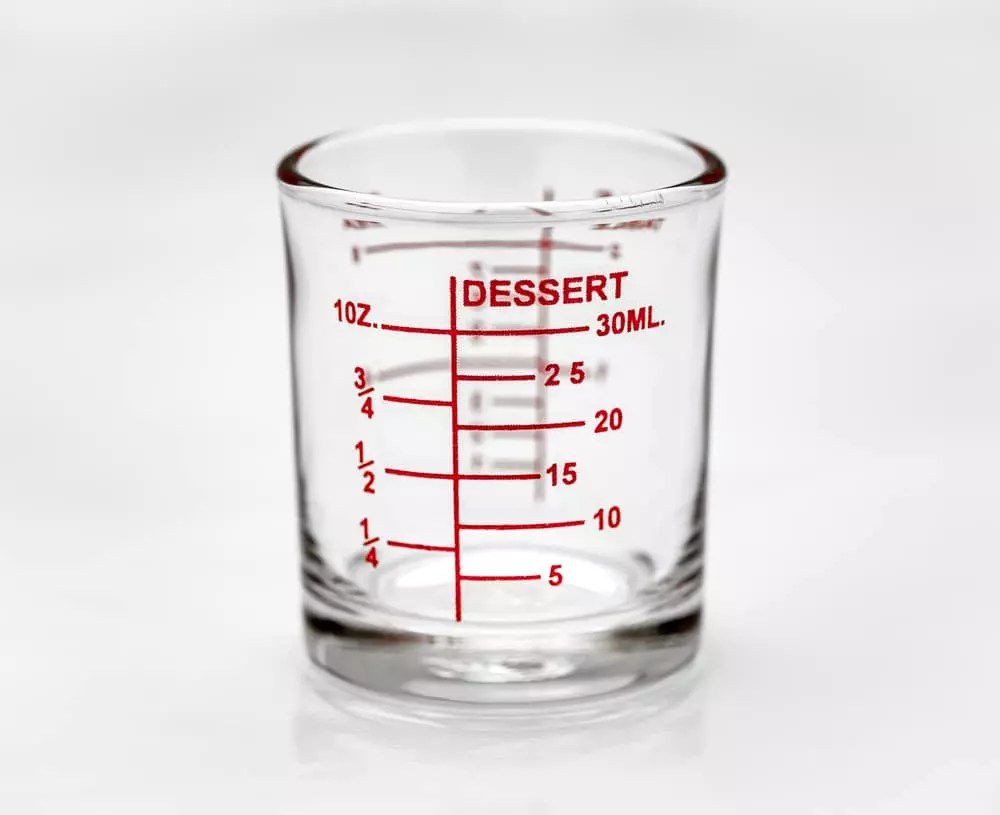
Wine measurements can be confusing, as they vary depending on the country and region. In this section, we will provide a table converting fluid ounces to milliliters and vice versa, and explain the different units of measurement used for wine.
Fluid Ounces to Milliliters Conversion Table
| Fluid Ounces | Milliliters |
|---|---|
| 1 | 29.57 |
| 2 | 59.15 |
| 3 | 88.72 |
| 4 | 118.29 |
| 5 | 147.87 |
| 6 | 177.44 |
| 7 | 207.01 |
| 8 | 236.59 |
| 9 | 266.16 |
| 10 | 295.74 |
Units of Measurement for Wine
- Ounce (oz): A fluid ounce is a unit of volume in the US customary system. It is equal to 1/8 of a cup or 29.57 milliliters.
- Milliliter (ml): A milliliter is a unit of volume in the metric system. It is equal to 1/1000 of a liter or 0.0338 fluid ounces.
- Liter (l): A liter is a unit of volume in the metric system. It is equal to 1000 milliliters or 33.81 fluid ounces.
- Gallon (gal): A gallon is a unit of volume in the US customary system. It is equal to 128 fluid ounces or 3.785 liters.
Wine Pouring Techniques
The way you pour wine can impact the amount dispensed and the overall experience. Here’s a guide to proper wine pouring techniques.
The pouring angle and speed influence the amount of wine dispensed. A higher pouring angle and slower speed generally result in a smaller pour.
Pouring Angle
- Low angle (45-60 degrees):This angle creates a wide, gentle stream, resulting in a larger pour.
- High angle (75-90 degrees):A higher angle creates a narrower, faster stream, resulting in a smaller pour.
Pouring Speed
- Slow speed:A slower pour allows the wine to flow smoothly into the glass, resulting in a more controlled pour.
- Fast speed:A faster pour can splash and create bubbles, potentially resulting in a larger pour.
Common Serving Sizes

The amount of wine served in a glass varies depending on the type of wine, the occasion, and personal preference. However, there are some general guidelines that can help you determine the appropriate serving size for different types of wine.
The most common serving sizes for wine are:
- White wine:5-6 ounces
- Red wine:6-8 ounces
- Sparkling wine:4-6 ounces
These serving sizes are based on the average alcohol content of each type of wine. White wines typically have an alcohol content of 12-14%, while red wines have an alcohol content of 13-15%. Sparkling wines have an alcohol content of 10-12%.
A standard glass of wine is typically around 5 ounces, but this can vary depending on the type of wine and the size of the glass. If you’re wondering how many glasses of wine are in a bottle, check out this article . Getting back to our original topic, 5 ounces of wine is a good starting point for estimating how much you’re drinking.
The factors that influence serving size include:
- Wine style:Lighter-bodied wines, such as Pinot Grigio or Sauvignon Blanc, are typically served in smaller glasses than full-bodied wines, such as Cabernet Sauvignon or Merlot.
- Occasion:A casual dinner party may call for larger serving sizes than a formal event.
- Personal preference:Ultimately, the best way to determine the appropriate serving size for wine is to experiment and find what you enjoy.
Variations in Wine Glass Sizes: How Many Ounce In A Glass Of Wine

The size and shape of a wine glass can have a significant impact on the wine’s aroma and flavor. Larger glasses allow for more air to come into contact with the wine, which can help to release its aromas. Smaller glasses, on the other hand, can help to concentrate the wine’s flavors.
Glass Sizes and Shapes
There are many different types of wine glasses available, each designed for a specific type of wine. The most common types of wine glasses include:
- Red wine glassesare typically larger and have a wider bowl than white wine glasses. This allows for more air to come into contact with the wine, which helps to release its aromas.
- White wine glassesare typically smaller and have a narrower bowl than red wine glasses. This helps to concentrate the wine’s flavors.
- Sparkling wine glassesare tall and narrow, with a flute-shaped bowl. This helps to preserve the wine’s bubbles.
- Dessert wine glassesare small and have a sweet spot in the middle of the bowl. This helps to concentrate the wine’s flavors and aromas.
Wine Serving Etiquette

Wine serving etiquette involves understanding the proper techniques and courtesies associated with pouring and offering wine to guests. It demonstrates respect for the host and ensures that guests enjoy their wine experience.
Appropriate Pouring Amount, How many ounce in a glass of wine
When pouring wine for guests, it’s customary to fill the glass to about two-thirds of its capacity. This allows for swirling and aeration, which enhances the wine’s aroma and flavor. It also prevents spills and ensures that guests have enough wine to savor.
Wrap-Up

In conclusion, the amount of wine in a glass can vary depending on the type of wine, the occasion, and the size and shape of the glass. By understanding the standard serving sizes and pouring techniques, you can ensure that you and your guests enjoy the optimal wine experience.
FAQ Summary
What is the standard serving size for a glass of wine?
The standard serving size for a glass of wine is 5 ounces.
How many milliliters are in a 5-ounce glass of wine?
There are 147 milliliters in a 5-ounce glass of wine.
What is the best way to pour a glass of wine?
The best way to pour a glass of wine is to hold the bottle at a 45-degree angle and pour slowly into the center of the glass.
