
Discover the Unique Languages of Sicily: A Guide to Sicilian Dialects and Culture
Introduction to Discover the Unique Languages of Sicily: A Guide to Sicilian Dialects and Culture
Sicily, the largest island in the Mediterranean, is not only known for its stunning landscapes and historical significance but also for its rich linguistic diversity. The island boasts a variety of dialects, each reflecting the unique cultural influences that have shaped its history over centuries. In this guide, we will explore the unique languages of Sicily, focusing on the different Sicilian dialects and their cultural implications.
Understanding the dialects of Sicily is essential for anyone interested in immersing themselves in the local culture. Each dialect carries nuances that reveal the island’s history, traditions, and identity. Join us as we delve into the core rules of grammar, essential vocabulary, and practical strategies to enhance your learning experience.

Core Rules & Grammar Foundations
The Sicilian language, or “Sicilianu,” is a Romance language that has been influenced by various cultures, including Arabic, Greek, and Spanish. To truly appreciate Sicilian dialects, it’s important to understand some fundamental grammar rules.
Basic Sentence Structure
Sicilian, like Italian, generally follows a subject-verb-object (SVO) structure. However, the flexibility of this structure allows for emphasis on different parts of a sentence. For example:
- English: I eat the bread.
- Sicilian: Ju mangiu lu pane.
This flexibility can lead to variations based on regional dialects. For instance, in some parts of Sicily, you might hear “Lu pane ju mangiu” to emphasize “the bread.”
Articles and Gender
In Sicilian, nouns have genders, either masculine or feminine. Articles also change accordingly, which is crucial for grammatical correctness. Here are some examples:
- Masculine: lu (the) – lu gattu (the cat)
- Feminine: la (the) – la casa (the house)
Paying attention to gender agreements is essential when constructing sentences.
Verb Conjugation
Verbs in Sicilian dialects are conjugated based on person and number, similar to those in Italian. For example:
- Present tense:
- Ju mangiu (I eat)
- Tu mangi (You eat)
- Iddu mangia (He eats)
Understanding these conjugations can significantly aid in forming correct sentences while speaking or writing in Sicilian.
Essential Vocabulary & Common Phrases (with English translations)
Building a strong vocabulary is key to communicating effectively in Sicilian dialects. Here are some essential words and phrases to get you started:
Common Greetings
- Bonjourno: Good morning
- Buona sera: Good evening
- Comu si? How are you?
Everyday Expressions
- Grazi: Thank you
- Per piaciri: Please
- Scusa: Excuse me/Sorry
Useful Questions
- Unni si trova…? Where is…?
- Comu si chiama? What is your name?
By mastering these basic phrases, you can engage in simple conversations and enhance your interaction with locals.
Pronunciation & Speaking Tips
Pronunciation in Sicilian can be quite different from standard Italian, with distinct sounds that characterize the dialects. Here are some tips for improving your pronunciation:
Vowel Sounds
Sicilian vowels can change depending on their position in a word. For instance, the letter “e” can be pronounced as a closed sound [e] or an open sound [ɛ].
Consonant Clusters
Many Sicilian words contain consonant clusters, which can be challenging for new learners. Focus on syllable breaks to pronounce them correctly. For example:
- Scuola: School
- Strada: Street
Practice with Locals
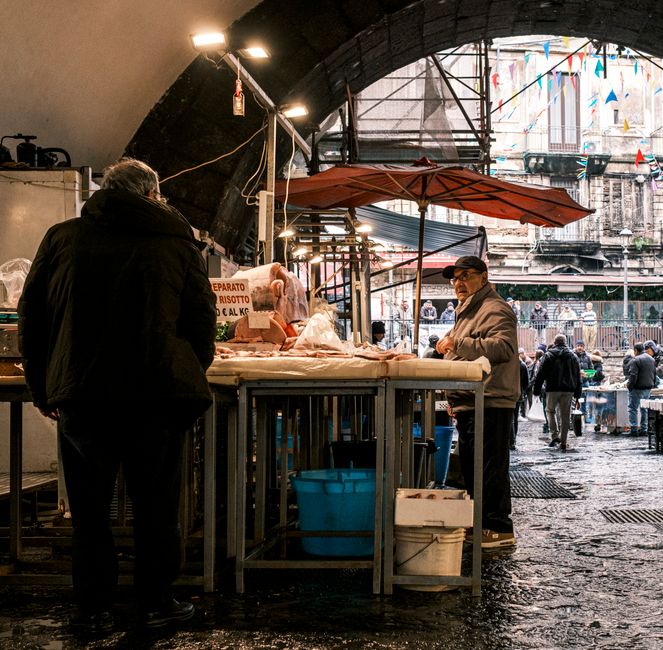
The best way to get comfortable with pronunciation is to practice speaking with native speakers. Engage in conversations at local markets, cafes, or cultural events. Listen attentively and mimic the sounds you hear.
Practical Strategies for Language Practice
Learning a language, especially one as rich as Sicilian, requires consistent practice and engagement. Here are some effective strategies:
Immerse Yourself in the Culture
Immerse yourself in Sicilian culture by watching local films, listening to Sicilian music, or reading Sicilian literature. This exposure will enhance your understanding of the language and its context.
Join Language Exchange Groups
Finding language exchange partners can provide practical speaking opportunities. Look for local or online language exchange groups where you can practice Sicilian with native speakers and, in return, help them learn English.
Utilize Language Learning Apps
Consider using language learning apps that focus on Sicilian dialects. These platforms often have interactive exercises and provide immediate feedback on your progress.
Resources for Learners
To facilitate your learning journey, here are some valuable resources:
Books
- Sicilian Grammar: A comprehensive guide to understanding Sicilian grammar rules.
- Phrasebooks: Compact phrasebooks can be useful for travelers and beginners.
Online Courses
Explore online platforms that offer courses specifically on Sicilian language and dialects. These often include video lessons and interactive content.
Podcasts and Videos
Listening to Sicilian podcasts or watching videos can expose you to authentic language use. Look for content that features native speakers discussing everyday topics.
FAQ
What are the main dialects of Sicilian?
The main dialects of Sicilian include Palermitano (Palermo), Catanese (Catania), and Messinese (Messina). Each has its own unique characteristics and vocabulary.
Is Sicilian a separate language or a dialect of Italian?
Sicilian is often considered a separate language due to its distinct linguistic features and vocabulary, although it is classified as a Romance language related to Italian.
How can I practice Sicilian if I’m not in Sicily?
You can practice Sicilian by joining online language exchange communities, using language learning apps, and engaging with Sicilian media such as films, music, and literature.
Are there resources available for learning Sicilian online?
Yes, numerous online resources, including courses, podcasts, and social media groups, are dedicated to teaching Sicilian. Websites and apps focusing on regional languages can also be valuable.
Conclusion
Discovering the unique languages of Sicily is a journey that opens up a world of cultural richness and historical depth. Each dialect tells a story, reflecting the island’s diverse influences and traditions. By understanding the core grammar, building your vocabulary, and practicing your pronunciation, you can connect more deeply with the Sicilian culture.
Whether planning a visit to Sicily or simply wishing to explore its languages from afar, embracing the Sicilian dialects will undoubtedly enhance your experience. Remember, language is a bridge to understanding and appreciating the nuances of any culture. So, take the plunge, practice, and enjoy the beauty of Sicily’s linguistic heritage.
