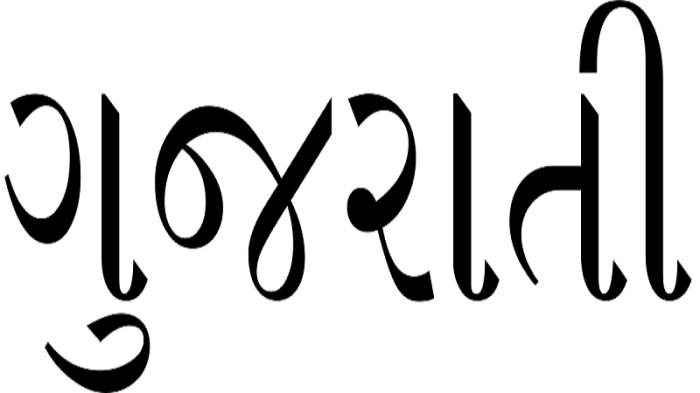
How Are You In Gujarati Language
How are you in Gujarati language? Learning Gujarati greetings opens a door to understanding the rich culture. This guide provides formal and informal ways to ask and respond to “How are you?”, along with expressions for various levels of well-being, different situations, and cultural nuances.
From simple “hello” to complex expressions of concern, this comprehensive guide covers the nuances of Gujarati greetings, ensuring your interactions are respectful and culturally appropriate.
Gujarati Greetings & Expressions: How Are You In Gujarati Language
Gujarati, a beautiful language rich in tradition, features a diverse range of greetings and expressions. These expressions reflect the deep respect and social nuances inherent in Gujarati culture. Understanding these expressions is key to navigating social interactions with grace and sensitivity.
Formal Greetings
Gujarati has formal greetings for various times of the day. These greetings often include honorifics to show respect for the recipient’s age and social standing.
- Morning: સવારે સુપ્રભાત (Savare Suprabhat)
-Good morning. This is used to greet someone in the morning. Shree/Shrimati is used before names of people being addressed formally. - Afternoon: સુપરિકાળ (Suparikaal)
-Good afternoon. This is a formal greeting for the afternoon. - Evening: સાંજનો સમય શુભ (Sanj no samy shubh)
-Good evening. A formal way to greet in the evening. - General Greeting: નમસ્તે (Namaste)
-Hello/Greetings. A versatile greeting applicable in most situations. - Specific Formal Greeting: શુ કરો છો? (Shu karo cho?)
-How are you? (formal). This is a formal inquiry about someone’s well-being.
Informal Greetings
Informal greetings are used among close friends and family members. These are less formal and more casual.
- Morning: સવાર (Sawar)
-Morning. A simple, casual greeting for the morning. - General Greeting: હાઈ (Hai)
-Hi. A casual greeting, equivalent to “Hi” in English. - Casual Inquiry: કેમ છો? (Kem cho?)
-How are you? (informal). A casual way to ask about someone’s well-being. - Casual Greetings: બહુ સારું (Bahu Saru)
-Very well. Used to reply to a greeting.
Expressions of Well-being (Beyond “How are you?”)
Beyond simple greetings, there are numerous ways to inquire about someone’s well-being in Gujarati.
- Health: તમે કેવી રીતે છો? (Tume kavi rite cho?)
-How are you? (health focus). This is a more direct question about someone’s health. - Family: પરિવાર કેવો છે? (Parivaar kavo che?)
-How is your family? This inquires about the well-being of the person’s family. - Recent Activities: આજે શું કર્યું? (Aje shu karyu?)
-What did you do today? This asks about the person’s recent activities. - General Well-being: બધુ સારું? (Badhu Saru?)
-Everything fine? A general inquiry about overall well-being.
Cultural Nuances
Gujarati greetings are steeped in cultural nuances.
- Importance of Respect: Respect is paramount in Gujarati culture. Greetings demonstrate this respect through the use of honorifics and appropriate formality.
- Age and Social Standing: Greetings change based on the age and social standing of the person being addressed. Formal greetings are often used when interacting with elders or those of higher social standing.
- Gender Differences: Traditionally, there are subtle gender differences in greetings, though these are becoming less prominent in modern usage. Respectful language is key in both cases.
- Regional Variations: There are regional variations in Gujarati greetings. Local customs and traditions might influence specific expressions.
Contextual Usage
The appropriate greeting depends heavily on the context.
- Formal vs. Informal: Formal greetings are used in professional settings, when meeting elders, or in situations requiring a more respectful tone. Informal greetings are suitable among close friends and family.
- Specific Situations: Greetings like “Suprabhat” are used specifically for morning interactions. “Kem Cho?” is a common way to check on someone’s well-being in informal situations.
Comparison Table
| Greeting (Formal) | Greeting (Informal) | Appropriate Context | Honorifics | Translation (English) |
|---|---|---|---|---|
| સવારે સુપ્રભાત (Savare Suprabhat) | સવાર (Sawar) | Morning greeting | Shree/Shrimati | Good morning |
| શુ કરો છો? (Shu karo cho?) | કેમ છો? (Kem cho?) | Checking on someone’s well-being | None | How are you? |
| નમસ્તે (Namaste) | હાઈ (Hai) | General greeting | None | Hello/Greetings |
| સુપરિકાળ (Suparikaal) | સાંજ (Sanj) | Afternoon greeting | None | Good afternoon |
Example Sentences
- Formal: શ્રી મહેતા, સવારે સુપ્રભાત! (Shree Mehta, Savare Suprabhat!)
-Mr. Mehta, good morning! - Formal: શ્રીમતી પટેલ, શુ કરો છો? (Shrimati Patel, shu karo cho?)
-Mrs. Patel, how are you? - Informal: સવાર! (Sawar!)
-Morning! - Informal: કેમ છો? (Kem cho?)
-How are you? - Informal: બહુ સારું! (Bahu Saru!)
-Very well!
Gujarati Phrases for Well-being

Understanding Gujarati phrases for well-being is crucial for navigating social interactions and demonstrating cultural sensitivity. These phrases extend beyond simple greetings, offering nuanced ways to express varying levels of health and well-being. Knowing how to ask about someone’s health, and respond appropriately, fosters deeper connections and builds trust within the community.This section provides a comprehensive guide to Gujarati phrases related to well-being, encompassing formal and informal expressions, contexts of use, and responses.
It will equip you with the knowledge and confidence to engage in meaningful conversations about health and well-being in Gujarati.
Gujarati Phrases for Expressing Different Levels of Well-being
Different levels of well-being are expressed using various Gujarati phrases. The choice of phrase depends on the context and the relationship with the person you are addressing.
- Good: સારો ( sara)
-Informal; સારા ( sara)
-Formal. Use “સારો” when speaking to a friend, and “સારા” when speaking to a superior or stranger. - Excellent: ખૂબ સારો ( khub sara)
-Informal; ખૂબ સારા ( khub sara)
-Formal. Suitable for expressing a high level of well-being, similar to “very good.” - Not so good: થોડો ખરાબ ( thodo kharab)
-Informal; થોડા ખરાબ ( thoda kharab)
-Formal. Use this when you’re feeling slightly unwell. - Very bad: ખૂબ ખરાબ ( khub kharab)
-Informal; ખૂબ ખરાબ ( khub kharab)
-Formal. Use this for expressing a severe level of unwellness.
Asking about Someone’s Health
Asking about someone’s health is essential in Gujarati culture. The level of formality depends on the relationship with the person.
- General inquiry (formal): શું તમે સારા છો? ( Shun tame sara cho?)
- General inquiry (informal): તું કેમ છો? ( Tun kem cho?)
- Specific health concern (head): તમારું માથું કેમ છે? ( Tamaru mathu kem che?)
-Formal; તારું માથું કેમ છે? ( Tarun mathu kem che?)
-Informal. - Specific health concern (stomach): તમારો પેટ કેમ છે? ( Tamarो pet kem che?)
-Formal; તારો પેટ કેમ છે? ( Tarो pet kem che?)
-Informal.
Expressing Feelings of Well-being or Unwell-being
Gujarati provides a range of phrases to express feelings.
- Feeling good (happy): ખુશ ( khush). This is a general term for happiness.
- Feeling good (cheerful): હસીલ ( haseel). This suggests a lighthearted and cheerful mood.
- Feeling good (delighted): આનંદિત ( anandit). Indicates a feeling of great joy and pleasure.
- Feeling slightly unwell: થોડું બીમાર ( thodu bimār). This is a mild expression of illness.
- Feeling very ill: ખૂબ બીમાર ( khub bimār). Use this for severe illness.
- Feeling in pain: દુઃખી ( dukhi). This is a general term for feeling pain or suffering.
Responses to “How are you?”
| Gujarati Phrase (Formal) | Gujarati Phrase (Informal) | Context/Situation | Appropriate Response (Example) | Explanation of the response’s meaning |
|---|---|---|---|---|
| શું તમે સારા છો? (Shun tame sara cho?) | તું કેમ છો? (Tun kem cho?) | General inquiry | હું સારો છું. (Hum sara chhun.) | I am well. |
| તમારું સ્વાસ્થ્ય કેવું છે? (Tamaru svasthya kevun che?) | તારું સ્વાસ્થ્ય કેવું છે? (Tarun svasthya kevun che?) | More detailed inquiry about health | હું સારો છું, આભાર. (Hum sara chhun, abhar.) | I am well, thank you. |
| તમે કેમ છો? (Tame kem cho?) | તું કેમ છો? (Tun kem cho?) | General inquiry, more polite | હું ખૂબ સારો છું. (Hum khub sara chhun.) | I am very well. |
| શું તમારી તબિયત સારી છે? (Shun tamari tabiyat sari che?) | તારી તબિયત સારી છે? (Tari tabiyat sari che?) | Checking on someone’s health | હા, સારી છે. (Ha, sari che.) | Yes, it’s good. |
| તમે કેવી રીતે છો? (Tame kevi rite cho?) | તું કેવી રીતે છો? (Tun kevi rite cho?) | Slightly more detailed inquiry | મને થોડું ખરાબ લાગે છે. (Mane thodu kharab lage che.) | I feel a little unwell. |
Responding to Expressions of Well-being
Responding appropriately to expressions of well-being demonstrates respect and engagement.
- Responding to “હું ખૂબ જ સારો છું” (Hum khub j sara chhun): “આભાર, તમે પણ સારા રહો.” (Abhar, tame pan sara raho.) This translates to “Thank you, may you also be well.” This is a polite and culturally appropriate response.
Glossary
- સારો (sara): Good (informal)
- સારા (sara): Good (formal)
- ખૂબ સારો (khub sara): Very good (informal)
- ખૂબ સારા (khub sara): Very good (formal)
- ખરાબ (kharab): Bad
- સ્વાસ્થ્ય (svasthya): Health
- તબિયત (tabiyat): Health (more commonly used in conversation)
- આભાર (abhar): Thank you
- ખુશ (khush): Happy
- હસીલ (haseel): Cheerful
- આનંદિત (anandit): Delighted
- બીમાર (bimār): Ill
- દુઃખી (dukhi): In pain
Gujarati Responses to “How Are You?”

Yo, peeps! So, you wanna know how Gujaratis respond to that age-old “How are you?” It’s not just a simple “fine,” trust me. There’s a whole spectrum of ways to answer, depending on the situation and your relationship with the person asking. Let’s dive in, shall we?
Common Responses to “How Are You?”
Gujarati, like many languages, has several ways to express well-being and how you’re feeling. These responses aren’t just about saying “I’m fine.” They carry subtle social cues.
- “સારું છું” (Saaru chhu): This is the most straightforward and common way to say “I’m fine.” It’s a simple, universally understood response, perfect for casual conversations.
- “ઠીક છું” (Tthik chhu): Similar to “Saaru chhu,” “Tthik chhu” translates to “I’m okay.” It’s a slightly less enthusiastic response, implying a state of being acceptable rather than exceptionally good.
- “બહુ સારું છું” (Bahu Saaru chhu): For those days when you’re feeling truly great, this means “I’m very well.” It’s a more emphatic way to express your positive state.
- “ખૂબ સારું છું” (Khub Saaru chhu): This one translates to “I’m extremely well.” It shows you’re feeling fantastic, almost elated.
Expressing “I’m Not Well”
Sometimes, things aren’t so peachy. Here’s how you can express that in Gujarati:
- “મને થોડું ખરાબ લાગી રહ્યું છે” (Mane thodu kharab lagi rahyu che): This is a polite way to say “I’m feeling a little unwell.” It’s a good way to let someone know you’re not at your best without being overly dramatic.
- “મારા થોડા તકલીફો છે” (Mara thoda taklifo che): This translates to “I have some troubles.” A more general way to express discomfort or difficulties.
- “મને ખૂબ ખરાબ લાગી રહ્યું છે” (Mane khub kharab lagi rahyu che): For more serious cases, this means “I’m feeling very unwell.” It’s important to be direct and honest in situations like these.
Expressing Gratitude
Showing appreciation for someone’s concern is important. Here are some ways to do so in Gujarati:
- “આભાર” (Aabhar): The standard and universal Gujarati word for “thank you.” A perfect way to respond to any inquiry about your well-being.
- “ધન્યવાદ” (Dhanyavad): Another formal way to say “thank you.” It’s a bit more polite than “Aabhar.”
- “તમારો ખૂબ ખુબ આભાર” (Tamara khub khub aabhar): For extra gratitude, this translates to “Thank you very much.” It shows that you really appreciate the other person’s concern.
Nuances in Positive and Negative Responses
The tone and context matter greatly. A simple “I’m fine” can be interpreted differently depending on the situation. For example, a slightly more emphatic “I’m very well” might be appropriate when you’re meeting someone important, or someone who has been inquiring about your well-being for a while. On the other hand, a simple “I’m not well” is fine in a casual setting, but might need to be elaborated on if it’s with someone you are close to or in a professional setting.
Formal vs. Informal Gujarati
Gujarati, like many languages, distinguishes between formal and informal speech, reflecting the nuances of social relationships and the level of respect between speakers. Understanding these differences is crucial for effective communication and avoiding misunderstandings in various social contexts.
Comparison of Phrases
The choice between formal and informal Gujarati phrases hinges on the relationship between the speakers. Formal language is used in situations where respect and formality are paramount, while informal language is employed when communicating with close friends or family members.
| Situation | Formal Phrase | Informal Phrase | English Translation |
|---|---|---|---|
| Speaking to a teacher | શું તમે સારા છો? (Shun tame sara cho?) | કેમ છો? (Kem cho?) | How are you? (Formal) |
| Speaking to a friend | તમે કેવી રીતે છો? (Tame kavi rite cho?) | કેમ છો? (Kem cho?) | How are you? (Informal) |
| Speaking to a senior colleague | શું તમારો દિવસ સારો ગયો? (Shun tamaro divu saru gayo?) | કેમ છો? (Kem cho?) | How’s your day going? (Formal) |
| Speaking to a family member | તમારું સ્વાસ્થ્ય કેવું છે? (Tamaru swaasthya kevum che?) | કેમ છો? (Kem cho?) | How is your health? (Formal) |
Situational Appropriateness
The choice of formal or informal language is heavily dependent on the context. Factors like age, gender, and social standing of the individuals involved are crucial considerations.
- Speaking to a teacher: Formal language is essential to show respect and deference. The more formal ” Shun tame sara cho?” conveys a respectful approach.
- Speaking to a friend: The informal ” Kem cho?” is perfectly acceptable and appropriate. It reflects the close relationship between friends.
- Speaking to a senior colleague: Formal language is often preferred to convey respect and professionalism, such as ” Shun tamaro divu saru gayo?” This demonstrates a hierarchical understanding.
- Speaking to a family member: The choice might be more flexible, but formal phrases, like ” Tamaru swaasthya kevum che?” can be used to express greater concern and warmth in the relationship.
Tone and Respect
The tone and level of respect differ significantly. Formal phrases often use more elaborate sentence structures and vocabulary, whereas informal phrases are more concise and direct. This reflects the level of formality required in the interaction.
- Formal phrases, such as ” Shun tame sara cho?“, create a more respectful and polite tone. The phrase conveys a greater degree of formality and consideration.
- Informal phrases, such as ” Kem cho?“, are perfectly acceptable for close friends and family. The concise nature makes it suitable for casual interactions.
Contextual Variation
The formality level can change depending on the social context, including the age, gender, and social status of the individuals involved. Cultural norms also play a role.
- Age: Younger speakers may feel more comfortable using informal language with older people, but maintaining respect is crucial. The choice often depends on the social context.
- Gender: Gender roles might influence the formality level in certain situations, but this is becoming less pronounced in contemporary society.
- Social status: Someone in a higher social position may be addressed with more formal language to maintain respect and hierarchical relations.
Example Sentences
Here are some examples of how formal and informal phrases are used in different scenarios.
- Formal: ” Shun tame sara cho?” (How are you?)
-Addressing a teacher - Formal: ” Tamaru divu saru gayo?” (How was your day?)
-Speaking to a senior colleague - Formal: ” Tame kavi rite cho?” (How are you?)
-A more formal way to inquire about someone’s well-being. - Informal: ” Kem cho?” (How are you?)
-Addressing a friend - Informal: ” Kem chho?” (How are you?)
-Addressing a close friend or family member - Informal: ” Kal shu karu chho?” (What are you doing tomorrow?)
-Talking to a close friend
Example Dialogue
Here’s a short dialogue between a student and a teacher, demonstrating the use of formal and informal phrases in a school environment:
Student: Shun tame sara cho, Shrimati Patel? (Are you well, Mrs. Patel?)
Teacher: Haa, shukriya. Tumhara divu saru gayo? (Yes, thank you. How was your day?)
Student: Kem cho, Jignesh? (How are you, Jignesh?)
Gujarati Phrases for Different Ages

Yo, fam! So, you wanna know how Gujaratis drop different greetings depending on who they’re talkin’ to? It’s all about respect and showing you’re clued in to the social dynamics. Different ages call for different vibes, you know? Like, you wouldn’t hit up your grandma with the same slang as your bestie, right? This section breaks down how Gujarati greetings evolve with age.
Age-Based Greeting Adaptations
Gujarati greetings, like many cultures, are heavily influenced by the age and social standing of the person being addressed. Formality and respect are key elements. Respectful titles are often used, and the language itself can shift from casual to formal depending on the situation.
Addressing Elders
Respect is paramount when interacting with elders. Using titles like “dada” (for older men) or “didi” (for older women) shows deference. Adding “shree” or “shrimati” before the title further emphasizes respect. These titles aren’t just words; they’re part of the cultural etiquette. For example, addressing a grandparent as “Nanaji” or “Nanibai” shows deep respect.
Addressing Children
When talking to kids, the language gets super casual. Simple greetings like “hello,” “hi,” or “kem cho?” (how are you?) are perfectly fine. You don’t need to be formal. This is about connecting with them on their level. The key is to keep it friendly and approachable.
Addressing Peers
With peers, it’s all about keeping it cool and casual. You can use informal greetings and slang without worrying about being overly formal. The focus is on connecting and having a chill vibe. Think simple greetings like “hello” or “kem cho?”
Table of Appropriate Greetings for Different Age Groups
| Age Group | Greeting (Formal) | Greeting (Informal) |
|---|---|---|
| Elder (Male) | Shree Dada/Shree Mama | Dada/Mama |
| Elder (Female) | Shrimati Didi/Shrimati Mata | Didi/Mata |
| Child | N/A (usually informal) | Hello/Kem cho? |
| Peer | N/A (usually informal) | Hello/Kem cho? |
Illustrative Scenarios for Using Gujarati Phrases
Yo, peeps! Let’s dive into some real-life scenarios where you can drop some sick Gujarati phrases. Knowing how to use the right greeting or well-wishing phrase can totally change the vibe, especially when you’re tryna connect with locals in a chill way. It’s all about showing respect and understanding the context, right?These examples show how different Gujarati phrases can be used in various situations, from casual chats with mates to formal interactions.
We’ll break it down by context and relationship, so you can nail the perfect phrase every time. It’s all about sounding natural and authentic, fam!
A common greeting in Gujarati is “કેમ છો?” (kem cho?). Knowing how to say “how are you” in different languages is fascinating, and understanding the linguistic diversity of individuals like Trey Yingst, who speaks what languages does trey yingst speak , provides further insight into this. Ultimately, learning how to say “how are you” in Gujarati, or any language, can be a rewarding experience.
Family Interactions
This section focuses on how to use Gujarati phrases within the family. It’s important to use appropriate language based on the relationship and the situation.
- Greeting a younger sibling: “કેમ છો (kēṁ chho)?” (How are you?) is a good casual start. If it’s a little brother or sister, a playful “કેમ છે (kēṁ chhe)?” (How are you?) can be used. A more affectionate approach could be “કેમ છે બાળક (kēṁ chhe bālak)?” (How are you, kid?) for a young sibling.
- Greeting a grandparent: “આપણે કેમ છો (āpaṇē kēṁ chho)?” (How are you?) would be a respectful way to greet a grandparent. You might add a little extra touch like “આપના સ્વાસ્થ્ય કેમ છે? (āpanā svāsthya kēṁ chhe?)” (How’s your health?) to show extra care.
- Expressing well-being to a parent: “માતા/પિતા, કેમ છો? (māta/pita, kēṁ chho?)” (Mom/Dad, how are you?) is a formal way to greet parents. For a more casual yet respectful tone, you could use “મા (mā)” (Mom) or “પાપા (pāpā)” (Dad) followed by “કેમ છો?” (kēṁ chho?)” (How are you?).
Friends & Acquaintances
Using the right phrase with your friends and acquaintances is crucial for maintaining a positive relationship.
- Meeting a friend after a long time: “હેલો! કેમ છો? (hēlo! kēṁ chho?)” (Hey! How are you?) is a great way to start the conversation. Adding a casual phrase like “લાંબા સમય પછી! (lāmba samaya pachhi!)” (Long time no see!) makes it even more personal.
- Checking in on a friend who’s feeling unwell: “તમે કેમ છો? (tame kēṁ chho?)” (How are you?) is a good start. You could then add “શું તમને કોઈ તકલીફ છે? (shū tamne koi taklif chhe?)” (Do you have any problem?) or “તમે સારા છો ને? (tame sārā chho ne?)” (Are you alright?).
- Greeting a close friend: “હેલો મિત્ર! કેમ છે? (hēlo mitr! kēṁ chhe?)” (Hey friend! How are you?) is a great option. For a more casual tone, “કેમ છે ભાઈ? (kēṁ chhe bhai?)” (How are you, brother?) might work.
Formal Settings
Maintaining the right tone is essential when interacting in formal settings.
- Greeting a colleague: “સવાર/સાંજ/રાત્રી શુભ (savār/sān̄j/rātī shubh)” (Good morning/afternoon/evening). Followed by “કેમ છો? (kēṁ chho?)” (How are you?) or “કેમ છે? (kēṁ chhe?)” (How are you?) depending on the level of formality.
- Addressing a superior: Use more formal phrases like “શુભ સવાર/સાંજ/રાત્રી (shubh savār/sān̄j/rātī)” (Good morning/afternoon/evening) followed by “આપ કેમ છો? (āp kēṁ chho?)” (How are you?). Adding titles like “શ્રી/સુશ્રી (Shri/Sushri)” (Mr./Ms.) before the name enhances formality.
Gujarati Phrases for Asking About Others’ Well-being
Yo, fam! Asking about someone’s well-being in Gujarati is way more than just “how are you?”. It’s about showing you care, right? We’re gonna break down different ways to check in on people, from casual chats to formal situations. Get ready to level up your Gujarati social skills!Different phrases exist for inquiring about a person’s well-being beyond a simple “how are you?”.
These phrases reflect varying degrees of formality and intimacy, allowing you to adapt your language to the specific situation and relationship. Understanding these nuances makes your interactions more natural and respectful.
Inquiring About General Well-being
These phrases are perfect for a quick check-in with friends or family.
- તમે કેમ છો? (tame kem cho?)
– This is a straightforward way to ask “How are you?” - તમારું સ્વાસ્થ્ય કેવું છે? (tamaru svasthya kevum che?)
-This asks about someone’s health, showing a little more concern. - તમે સારા છો? (tame sara cho?)
-A more casual way to ask “Are you okay?” - બધું સારું ચાલે છે? (badhu saru chale che?)
-This is a great option for asking “Is everything going well?”
Inquiring About Family Well-being
Checking in on someone’s family shows you’re thinking of them on a deeper level.
- પરિવાર કેવો છે? (parivar kevो che?)
– A simple and direct way to ask “How’s the family?” - પરિવાર બધા સારા છે? (parivar badha sara che?)
-This asks if everyone in the family is doing well. - ઘરમાં બધું સારું છે? (ghar ma badhu saru che?)
– A more home-focused way to ask “Is everything alright at home?”
Inquiring About Specific Aspects of Well-being
These phrases allow for more specific inquiries about someone’s life.
- કામ કેવું ચાલે છે? (kam kevum chale che?)
-This asks “How’s work going?” - અભ્યાસ કેવો ચાલે છે? (abhyas kevो chale che?)
-This asks “How’s your studies going?” - છાત્રાવૃત્તિ કેવું ચાલે છે? (chhatravruti kevum chale che?)
– This asks about their student life.
Formal Inquiries About Health, How are you in gujarati language
In formal settings, it’s crucial to use appropriate language.
- શું તમારું સ્વાસ્થ્ય સારું છે? (shum tamaru svasthya saru che?)
-This is a polite and formal way to ask about someone’s health. - તમારા સ્વાસ્થ્યની સ્થિતિ કેવી છે? (tamarā svāsthya nī sthiti kēvī chhe?)
-A more formal way to ask about the state of someone’s health.
Conversational Examples
Let’s see how these phrases work in a conversation.
A common greeting in Gujarati is “કેમ છો? (kem cho?).” This simple phrase, like many others, carries cultural weight. Interestingly, the official language of Bermuda is English, as detailed in this helpful resource: what language is spoken in bermuda. While English is the primary language, various other languages are likely spoken, too, as is the case with many diverse communities.
So, “કેમ છો?” is a good way to start a conversation in Gujarati.
- Person A: તમે કેમ છો? (tame kem cho?)
Person B: સારા છું, આપણે? (sara chhun, aapne?) - Person A: પરિવાર કેવો છે? (parivar kevो che?)
Person B: બધા સારા છે, આભાર! (badha sara che, aabhar!) - Person A: કામ કેવું ચાલે છે? (kam kevum chale che?)
Person B: થોડુંક કામ છે, પણ સારું ચાલે છે. (thodunk kam che, pan saru chale che.)
Gujarati Vocabulary Related to Health
Understanding Gujarati health vocabulary is crucial for effective communication and care. This detailed guide covers core terms, ailments, medical practices, and the cultural context surrounding health in Gujarati communities. Whether you’re seeking medical assistance or simply engaging in friendly conversations, this resource provides the necessary tools for navigating health-related situations.
Core Vocabulary
This section introduces fundamental terms related to general well-being, body parts, and common symptoms. These terms form the foundation for understanding more complex health-related discussions.
| Category | Gujarati Word/Phrase | English Translation | Usage Example (Contextual) |
|---|---|---|---|
| General Well-being | સ્વસ્થ (svāsth) | Healthy | તે સ્વસ્થ છે. (Te svāsth chhe.)
|
| Body Parts | માથું (mātʰuṁ) | Head | માથાનો દુખાવો (mātʰānō dukhāvo) – Headache |
| Symptoms | ઉધરસ (udharas) | Cough | મને ઉધરસ આવી છે. (Mane udharas āvi chhe.)
|
| જુઠાણું (jūṭʰāṇuṁ) | Stomach ache | મારા પેટમાં જુઠાણું થાય છે. (Māra pet-māṁ jūṭʰāṇuṁ thāye chhe.)
|
Ailments & Conditions
This section delves into various ailments and conditions, providing multiple terms where applicable and highlighting nuanced usage.
- Common Cold (શરદી): શરદી (śaradī) is a general term. More specific terms might be used based on symptoms (e.g., નાકની શરદી (nāk-nī śaradī)
-runny nose. - Fever (તાવ): તાવ (tāv) is a common term. Different terms might be used depending on the cause (e.g., જ્ઞાન (jñān)
-knowledge of illness). A fever due to a specific illness may have a separate term related to that illness. - Digestive Issues (પેટની સમસ્યા): Various terms exist, like પેટનો દુખાવો (pet-nō dukhāvo)
-stomach pain, or ઉલટી (ulṭī)
-vomiting.
Medical-Related Terms
This section details common medical terms, their usage contexts, and cultural perspectives on seeking medical help.
- Doctor (ડોક્ટર): ડોક્ટર (ḍōkter) is the standard term, used in both family and hospital settings. In family contexts, a more informal term or address may be used.
- Hospital (હોસ્પિટલ): હોસ્પિટલ (hōspital) is the standard term for a hospital. Cultural norms may influence when and how one seeks hospital care.
- Medicine (દવા): દવા (davā) is the standard term for medicine. Different types of medicine have specific names (e.g., ટેબ્લેટ (ṭeblēt), કેપ્સ્યુલ (kēpsyul).
Glossary (Detailed)
This glossary provides in-depth definitions, examples, and pronunciations for selected terms.
Example entry (partial):
તાવ (tāv): A condition characterized by a raised body temperature. Example sentences: તેને તાવ આવ્યો છે. (Te-ne tāv āvyō chhe.)
-He has a fever. મારા બાળકને તાવ આવ્યો છે. (Māra bālak-ne tāv āvyō chhe.)
-My child has a fever.
Writing
સારા સ્વાસ્થ્ય જાળવવા માટે, નિવારક પગલાં ખૂબ જ મહત્વપૂર્ણ છે. નિયમિત કસરત કરવી, સંતુલિત આહાર લેવો, અને સ્વચ્છતા જાળવવી એ આપણા શરીરને સ્વસ્થ રાખવા માટેના મહત્વપૂર્ણ પગલાં છે. જો કોઈ તકલીફ લાગે તો તરત ડોક્ટરની સલાહ લેવી જોઈએ. ઉધરસ અને જુઠાણું જેવી સામાન્ય તકલીફોને પણ ધ્યાનમાં લેવી જોઈએ, કારણ કે તે ઘણીવાર ગંભીર બીમારીઓના સૂચક હોઈ શકે છે. આપણે સ્વસ્થ રહેવા માટે યોગ્ય જ્ઞાન ધરાવવું જરૂરી છે.
To maintain good health, preventative measures are very important. Regular exercise, a balanced diet, and maintaining hygiene are important steps to keep our bodies healthy. If any discomfort arises, one should immediately consult a doctor. Common ailments like coughs and stomach aches should also be taken seriously, as they can often be indicators of more serious illnesses. We need proper knowledge to stay healthy.
Gujarati Phrases for Expressing Sympathy
Gujarati culture places a high value on expressing empathy and concern for others, especially during times of hardship. These expressions often go beyond simple greetings, reflecting a deep sense of community and shared experience. The nuances in expressing sympathy are intricate, drawing on both formality and the specific context of the situation.
Phrases for General Concern
Gujarati has various ways to express general concern for someone’s well-being, ranging from casual inquiries to more formal expressions. These phrases are crucial for showing care and concern, particularly in a close-knit community like the one found in Gujarat.
- તમે કેમ છો? (tame kem cho?)
– How are you? (General, informal) - તમારી તબિયત કેવી છે? (tamaari tabiyat kavi che?)
-How is your health? (More specific, informal) - તમારું શું થયું? (tamaru shu thayum?)
-What happened to you? (Concerned, informal) - શું તમે સારા છો? (shu tame sara cho?)
-Are you okay? (Gentle, informal) - તમે સારા નથી લાગતા. (tame sara nathi lagata.)
-You don’t seem well. (Observational, informal)
Phrases for Expressing Concern Over a Loss
These phrases are crucial for acknowledging a significant life event and demonstrating support.
- આ ખૂબ દુઃખદ સમાચાર છે. (aa khub dukhd samachar che.)
-This is very sad news. (Formal) - મને ખૂબ દુઃખ થયું. (mane khub dukh thayum.)
-I am very sorry to hear that. (Formal) - મને ખબર પડી કે… (mane khabar padi ke…)
-I heard that… (Formal) - આ ખૂબ જ ગમગીન સમય છે. (aa khub j gamgin samoy che.)
-This is a very difficult time. (Formal) - આ ખૂબ જ મુશ્કેલ સમય છે. (aa khub j muskil samoy che.)
-This is a very difficult time. (Formal)
Phrases for Expressing Sympathy to Someone Who Has Lost a Loved One
These phrases demonstrate a deeper level of empathy and understanding during times of grief.
- માફ કરશો, તમારા નુકસાન માટે. (maf karsho, tamara nukasan mate.)
-I am sorry for your loss. (Formal) - મારા વિચારો તમારી સાથે છે. (mara vichar tamari sathe che.)
-My thoughts are with you. (Formal) - આ ખૂબ જ મુશ્કેલ સમય છે. (aa khub j muskil samoy che.)
-This is a very difficult time. (Formal) - તમે ખૂબ જ શોકમાં છો. (tame khub j shok ma chho.)
-You are in great sorrow. (Formal) - હું તમારી સાથે છું. (hu tamari sathe chu.)
-I am with you. (Informal)
Phrases for Condolences
These phrases offer formal and informal ways to express condolences.
- (Formal) શોક વ્યક્ત કરવા માટે. (shok vyakt karva mate.)
-To express condolences. - (Formal) શોક સંદેશ. (shok sandesh.)
-Condolence message. - (Informal) શોક માટે શુભેચ્છાઓ. (shok mate shubhechchhao.)
-Best wishes for your sorrow.
Cultural Context for Expressing Sympathy
Gujarati culture values a delicate balance of directness and indirectness in expressing sympathy. Formal settings often involve more indirect expressions, while informal interactions might be more direct. Body language, such as a gentle touch or a comforting presence, often accompanies verbal expressions.
Gujarati expressions of sympathy often emphasize the shared human experience of loss and hardship. Unlike general greetings, which focus on well-being, phrases for sympathy acknowledge and address the difficult circumstances. For example, “How are you?” is a casual inquiry, whereas “I am very sorry for your loss” directly acknowledges grief. A conversation might begin with a casual greeting, then transition to expressions of sympathy if the conversation shifts to a topic of loss.
For example: “How are you?” “I’m not doing so well, I just heard about [name]’s passing.” “Oh, I’m so sorry to hear that. My thoughts are with you.”
Gujarati Phrases for Different Levels of Well-being
Yo, peeps! So, expressing how you’re doing in Gujarati can get pretty nuanced, right? It’s not just a simple “how are you?” It’s about showing the level of well-being, whether you’re feeling totally awesome or a little under the weather. This section breaks down the different levels and how to express them properly.
Nuances of Expressing Different Levels of Health
Gujarati, like many languages, has various ways to express different levels of well-being, from “I’m fantastic!” to “I’m feeling a bit rough.” Understanding these nuances is key to communicating effectively and showing empathy. The choice of words reflects the speaker’s actual condition and the level of formality required. It’s like using different emojis for different moods – a simple 👍 isn’t the same as a 🥺.
Comprehensive List of Responses for Different Situations
Here’s a breakdown of Gujarati phrases for different levels of well-being, from top-tier to slightly less stellar.
- Excellent Well-being: “હું ખૂબ સારો છું/છું” ( Hum khub saro chhun/chhu) – “I am very well.” This is a straightforward way to express feeling great. Perfect for when you’re feeling on top of the world.
- Good Well-being: “હું સારો છું/છું” ( Hum saro chhun/chhu) – “I am well.” A simple and common way to say you’re doing okay.
- Fair Well-being: “હું થોડો સારો છું/છું” ( Hum thodo saro chhun/chhu) – “I am a little well.” A slightly less enthusiastic option, indicating you’re not feeling amazing, but not terrible either.
- Slightly Unwell: “હું થોડો બીમાર છું/છું” ( Hum thodo bimmar chhun/chhu) – “I am a little sick.” This indicates a minor health issue. Good for letting others know you’re not feeling your best without making a big deal of it.
- Unwell: “હું બીમાર છું/છું” ( Hum bimmar chhun/chhu) – “I am sick.” A more straightforward way to communicate you’re not feeling well. Use this when you’re feeling significantly unwell.
- Very Unwell: “હું ખૂબ બીમાર છું/છું” ( Hum khub bimmar chhun/chhu) – “I am very sick.” Use this when you’re seriously unwell and need attention. This is a clear indication of needing help or rest.
Table Demonstrating Different Levels of Well-being
| Level of Well-being | Gujarati Phrase | English Translation | Nuance |
|---|---|---|---|
| Excellent | હું ખૂબ સારો છું/છું | I am very well | Feeling great |
| Good | હું સારો છું/છું | I am well | Doing okay |
| Fair | હું થોડો સારો છું/છું | I am a little well | Not great, but not terrible |
| Slightly Unwell | હું થોડો બીમાર છું/છું | I am a little sick | Minor health issue |
| Unwell | હું બીમાર છું/છું | I am sick | Feeling unwell |
| Very Unwell | હું ખૂબ બીમાર છું/છું | I am very sick | Serious health issue |
Cultural Considerations in Expressing These Phrases
When expressing your well-being in Gujarati, consider the context and relationship with the person you’re speaking to. If you’re talking to someone you’re close with, you can be a bit more casual. If you’re speaking to a more formal person or an elder, use more polite and respectful language. For example, using “ખૂબ સારો છું” ( khub saro chhun) might be appropriate with a friend, but “સારો છું” ( saro chhun) might be more suitable when speaking to a superior.
Think of it like using “Hey!” with a buddy vs. “Good morning, sir!” with a boss.
Gujarati Phrases for Expressing Gratitude
Expressing gratitude is a crucial aspect of Gujarati culture, especially when someone shows concern for your well-being. These phrases demonstrate appreciation for the care and concern shown, ranging from casual interactions to formal situations. Understanding the nuances of formality is key to conveying respect and appreciation appropriately.
Informal Phrases
These phrases are suitable for use with close friends, family members, and in casual settings. They convey a heartfelt appreciation for the concern shown.
- આભાર (Ābhar): This is a simple and widely used phrase meaning “thank you.” It’s appropriate for a general inquiry about well-being. Example: “મિત્ર, કેમ છો? આભાર.” (Mitra, kām chho? Ābhar.)”
-“Friend, how are you? Thank you.” - તમારી ચિંતા માટે આભાર (Tāmārī cintā māte ābhar): This phrase translates to “thank you for your concern.” It’s ideal when someone expresses specific concern about your health. Example: “મારી તબિયત થોડી ખરાબ હતી, તમારી ચિંતા માટે આભાર.” (Mārī tabiyat thoḍī kharab hatī, tāmārī cintā māte ābhar.)
-“I wasn’t feeling well, thank you for your concern.” - તમારા વિચારો માટે આભાર (Tāmārā vicārō māte ābhar): This phrase means “thank you for your thoughts/consideration”. It’s a gentle way to acknowledge someone’s concern, especially if it’s a slightly more significant issue. Example: “મારા કામમાં થોડી મુશ્કેલી આવી, તમારા વિચારો માટે આભાર.” (Mārā kāmāṁ thoḍī mushkēli āvī, tāmārā vicārō māte ābhar.)
-“I’ve had some difficulties at work, thank you for your consideration.”
Formal Phrases
These phrases are suitable for interactions with superiors, acquaintances, or strangers in formal settings. They maintain a respectful tone while expressing gratitude.
- તમારી ચિંતા માટે ખુબ આભાર (Tāmārī cintā māte khub ābhar): This translates to “thank you very much for your concern.” It’s a more formal way of expressing gratitude for a concern about your health. Example: “સર, તમારી ચિંતા માટે ખુબ આભાર.” (Sar, tāmārī cintā māte khub ābhar.)
-“Sir, thank you very much for your concern.” - તમારો ખુબ ખુબ આભાર (Tamaro khub khub ābhar): This is a very formal way of saying “thank you very much”. Example: “તમારો ખુબ ખુબ આભાર, મારી મદદ કરવા માટે.” (Tamaro khub khub ābhar, mārī madad karvā māte.)
-“Thank you very much for helping me.” - તમારા સહાય માટે આભાર (Tāmārā sahay māte ābhar): This phrase means “thank you for your help.” It’s used when someone has offered concrete assistance. Example: “તમારા સહાય માટે આભાર, મને ખુબ મદદ મળી.” (Tāmārā sahay māte ābhar, mane khub madad mḷī.)
-“Thank you for your help, I got a lot of help.”
Situational Variations
The level of gratitude should adapt to the situation. A simple “thank you” might suffice for a casual inquiry, but a more elaborate phrase might be needed if the concern was significant.
- General Inquiry: Use “આભાર (Ābhar)” for a simple “How are you?”
- Significant Health Issue: Use phrases like “તમારી ચિંતા માટે આભાર (Tāmārī cintā māte ābhar)” or “તમારા વિચારો માટે આભાર (Tāmārā vicārō māte ābhar)” to express appreciation for the concern.
- Offer of Help: Use phrases like “તમારો આભાર, મને ખુબ મદદ મળી” (Tamārō ābhar, mane khub madad mḷī) to show gratitude for assistance.
Comparison Table
| Level of Formality | Situation | Gujarati Phrase | English Translation | Contextual Note |
|---|---|---|---|---|
| Informal | Casual inquiry from friend | આભાર (Ābhar) | Thank you | Simple thanks for a general inquiry. |
| Informal | Inquiry about a recent health issue from a friend | તમારી ચિંતા માટે આભાર (Tāmārī cintā māte ābhar) | Thank you for your concern | Shows appreciation for the specific concern. |
| Formal | Inquiry about health from a superior | તમારી ચિંતા માટે ખુબ આભાર (Tamārī cintā māte khub ābhar) | Thank you very much for your concern | Formal acknowledgement of concern. |
| Formal | Expressing gratitude for help from a stranger | તમારો આભાર, મને ખુબ મદદ મળી (Tamārō ābhar, mane khub madad mḷī) | Thank you, I received great help. | Shows gratitude and details of the help received. |
Examples of Gujarati Conversations
Yo, fam! Let’s dive into some chill Gujarati conversations, straight outta the streets of Pontianak. We’ll break down how to use “how are you” and related phrases in different situations, from formal meetings to hanging with mates. Get ready to level up your Gujarati game!
Formal Conversations
This section Artikels how to use Gujarati greetings and expressions in formal settings, like meetings or business interactions. Maintaining a respectful tone is key.
| Gujarati | English Translation |
|---|---|
| નમસ્કાર, તમે કેમ છો? (Namaste, tame kem cho?) | Hello, how are you? (Formal) |
| મારા માટે સારું છે. અને તમારા માટે? (Mara mate saaru chhe. Ane tamara mate?) | I’m doing well, and you? |
| મને સારું લાગે છે. (Mane saaru lage chhe.) | I’m feeling good. |
| મુશ્કેલીઓનો સામનો કરી રહ્યા છીએ. (Mushkelio no samano kari rahya chhie.) | Facing some difficulties. |
Informal Conversations with Friends
When chatting with your buds, ditch the formality and use more casual language. These examples show how to express well-being and ask about others’ in a relaxed way.
| Gujarati | English Translation |
|---|---|
| હે, કેમ છો? (He, kem cho?) | Hey, how are you? (Informal) |
| બહુ સારું. તું કેમ છો? (Bahu saaru. Tu kem cho?) | Pretty good. How are you? |
| મારા માટે ઠીક છે. (Mara mate thik chhe.) | I’m alright. |
| થોડો થાકેલો છું. (Thodo thakello chu.) | A bit tired. |
Meeting a Friend at a Cafe
Here’s how to use Gujarati phrases when you bump into a friend at a local cafe. The context is important for choosing the right level of formality.
| Gujarati | English Translation |
|---|---|
| હે, આ તું જ હોય ને? (He, a tuj ho ne?) | Hey, is that you? |
| હા, તું કેમ છો? (Ha, tu kem cho?) | Yeah, how are you? |
| સારું છું. તું ક્યાં ગયો હતો? (Saaru chu. Tu kyan gayo hatho?) | I’m good. Where were you? |
| થોડા કામો કરવા ગયો હતો. (Thoda kaamo karva gayo hatho.) | Went to do some work. |
Final Conclusion
This guide explored the fascinating world of Gujarati greetings, demonstrating the importance of context, formality, and respect. From formal meetings to casual conversations, mastering these phrases will enrich your interactions and show your appreciation for Gujarati culture.
Clarifying Questions
What are some common informal ways to greet someone in Gujarati?
Common informal greetings include “હાઈ” (Hai) and “કેમ છો?” (Kem cho?).
How do you greet someone in Gujarati in the morning?
Formal: “સવારે સુપ્રભાત” (Savare Suprabhat). Informal: “સવાર” (Sawar).
How do you express “I’m fine” in Gujarati?
Common responses include “હું સારો છું” (Hum sara chhun) or “હું સારી છું” (Hum sari chhun), depending on gender.
What are some ways to express concern for someone’s health in Gujarati?
Phrases like “તમે કેમ છો?” (Tume kem cho?) and more specific inquiries about their health, such as “તમારું શરીર કેવું છે?” (Tamaro shariar kevum che?)
