
Unraveling the Languages of Ancient Mesopotamia: What Did They Speak?
Unraveling the Languages of Ancient Mesopotamia: What Did They Speak? Overview
Ancient Mesopotamia, often referred to as the cradle of civilization, was home to some of the earliest known languages and writing systems. This region, located between the Tigris and Euphrates rivers, saw the rise and fall of various cultures that contributed significantly to human history. Understanding the languages spoken in this ancient land offers insight into its rich cultural heritage and societal structure.
In this article, we will explore the languages of Ancient Mesopotamia, primarily focusing on Sumerian and Akkadian, their evolution, and their impact on subsequent civilizations. We will also discuss the various writing systems developed over time and their significance in preserving knowledge.
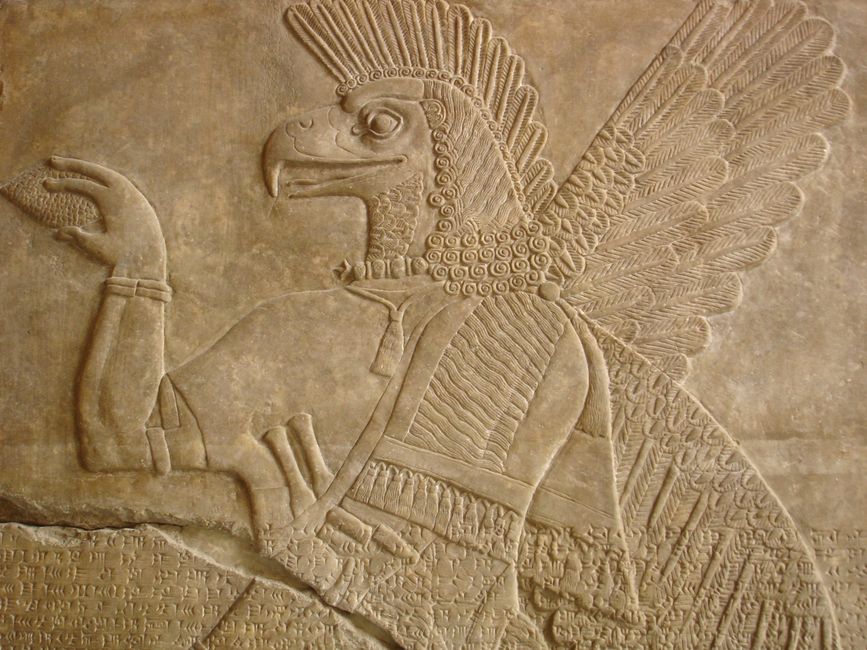
Key Information & Requirements
To fully grasp the linguistic landscape of Ancient Mesopotamia, it is essential to understand the key languages involved and their characteristics. The two primary languages that emerged during this era were Sumerian and Akkadian.
Sumerian
Sumerian is considered one of the world’s oldest known languages, with its origins dating back to around 3100 BCE. It is a language isolate, meaning it has no known relatives among other languages. Sumerians developed a complex writing system known as cuneiform, which was inscribed on clay tablets. This language was primarily spoken in the southern region of Mesopotamia, particularly in Sumer.
Akkadian
Akkadian, on the other hand, emerged later, around 2300 BCE, and belongs to the Semitic language family. It evolved from the Sumerian language and was spoken by the Akkadians, who inhabited the northern regions of Mesopotamia. Akkadian also utilized the cuneiform writing system, adapting it to fit its linguistic structure. The language further diversified over time into dialects such as Babylonian and Assyrian.
Understanding these two languages is critical for anyone interested in the history of ancient Mesopotamia, as they provide a rich source of information about the culture, religion, and daily life of its people.
Step-by-Step Guide
For those looking to delve deeper into the languages of Ancient Mesopotamia, a structured approach can help facilitate learning and comprehension. Here’s a step-by-step guide to understanding these ancient languages.
Application Process / Learning Path
- Begin with Sumerian: Start your journey by learning Sumerian. Familiarize yourself with its vocabulary, grammar, and syntax. There are various resources available, including textbooks and online courses.
- Study Cuneiform: Understanding how to read and write cuneiform is crucial. This writing system involves wedge-shaped marks made on clay tablets. Practice by reading simple texts before progressing to more complex ones.
- Transition to Akkadian: Once you have a solid foundation in Sumerian, begin exploring Akkadian. Focus on its unique grammatical structures and vocabulary, which differ from Sumerian.
- Explore Dialects: Delve into the various dialects of Akkadian, such as Babylonian and Assyrian. Understanding these dialects will enhance your comprehension of the texts and inscriptions from different periods.
- Engage with Academic Resources: Utilize academic journals, lectures, and seminars focusing on ancient languages and Mesopotamian culture. Engaging with experts in the field can provide invaluable insights.
This structured learning path will help you build a comprehensive understanding of the languages of Ancient Mesopotamia, leading to a deeper appreciation of their historical significance.
Costs & Financial Aid
Learning about the languages of Ancient Mesopotamia can involve various costs, depending on the resources you choose to utilize. Here are some potential expenses to consider:
- Textbooks: Prices can vary widely, from $20 to $100, depending on the publication and whether it is a used or new edition.
- Online Courses: Many institutions offer online courses, often ranging from $50 to $500, depending on the depth of the curriculum.
- Workshops and Seminars: Attending workshops or seminars may incur registration fees, typically ranging from $30 to $300.
For financial aid, many academic institutions and organizations offer scholarships or grants for those pursuing studies in ancient languages or archaeology. It’s advisable to check with your local universities or cultural organizations for available funding options.
Tips for Success
Successfully unraveling the languages of Ancient Mesopotamia requires dedication and strategic approaches. Here are some practical tips to enhance your learning experience:
- Stay Consistent: Set aside regular study time to build your understanding gradually. Consistency is key in language learning.
- Utilize Flashcards: Creating flashcards for vocabulary can help reinforce your memory and understanding of Sumerian and Akkadian words.
- Join Study Groups: Collaborating with peers can provide motivation and facilitate discussions that enhance comprehension.
- Practice Writing: Regularly practice writing in cuneiform to develop your skills. This can also help you better understand the structure of the languages.
- Engage with Ancient Texts: Reading original inscriptions and texts will not only improve your language skills but also offer a glimpse into the culture and history of Mesopotamia.
By following these tips, you can significantly enhance your understanding of the languages spoken in Ancient Mesopotamia and their cultural implications.
Resources & Tools
To aid your learning journey, here are some valuable resources and tools that can assist you in unraveling the languages of Ancient Mesopotamia:
- Books: Look for foundational texts like “Sumerian Grammar” by Wolfgang Heimpel and “Akkadian Grammar” by James Pritchard.
- Online Courses: Platforms like Coursera and edX offer courses on ancient languages, including Sumerian and Akkadian.
- Language Apps: Apps like Duolingo, while not specifically for ancient languages, can help with general language learning techniques that can be applied.
- Academic Journals: Journals like the “Journal of Near Eastern Studies” provide research articles on ancient Mesopotamian languages and cultures.
These resources can enrich your knowledge and provide a solid foundation for your studies.
FAQ
What is the oldest language in Ancient Mesopotamia?
The oldest language is Sumerian, which dates back to around 3100 BCE and is a language isolate.
How did Akkadian differ from Sumerian?
Akkadian is a Semitic language that evolved from Sumerian and has different grammatical structures and vocabulary.
What writing system did they use?
Both Sumerian and Akkadian utilized the cuneiform writing system, which involves wedge-shaped marks inscribed on clay tablets.
Are there courses available to learn these languages?
Yes, many universities and online platforms offer courses on Sumerian and Akkadian, providing opportunities for structured learning.
What resources are best for beginners?
Begin with introductory textbooks and online courses that focus on the basics of Sumerian and Akkadian grammar and vocabulary.
In conclusion, unraveling the languages of Ancient Mesopotamia is a rewarding endeavor that opens the door to understanding one of the world’s earliest civilizations. By exploring Sumerian and Akkadian, learners can gain insights into the culture, society, and history of the region. With the right resources, dedication, and a structured approach, anyone can embark on this fascinating journey through time.
