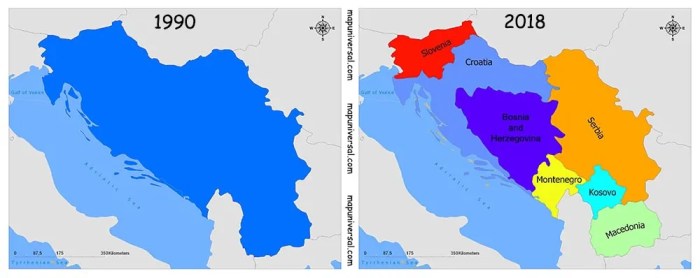
What Language Does Yugoslavia Speak
What language does Yugoslavia speak? The former Yugoslavia wasn’t a monolingual nation; instead, a complex tapestry of languages woven together by history and empire. From the 6th century CE to its dissolution in 1992, the linguistic landscape shifted and evolved, influenced by migrating populations, conquering empires, and evolving social structures. This exploration delves into the historical linguistic overview, regional variations, and the lasting impact on the modern language landscape of the former Yugoslav republics.
This article traces the linguistic evolution of the region, highlighting the impact of empires, language families, regional variations, and the modern language landscape. It provides a comprehensive overview of the linguistic diversity and the factors that shaped it.
Historical Linguistic Overview of the Former Yugoslavia
The linguistic tapestry woven across the region formerly known as Yugoslavia boasts a rich and complex history, reflecting centuries of migrations, conquests, and cultural exchanges. From the arrival of early Slavic tribes to the dissolution of the federation in 1992, the evolution of languages within this area has been shaped by profound historical forces. This overview delves into the chronological progression of language families, the impact of empires, and the intricate interplay of languages within different social contexts.
Chronological Analysis of Linguistic Events
The linguistic landscape of the former Yugoslavia underwent significant transformations from the 6th century CE onwards. Key events shaped the evolution of language families and altered patterns of dominance. This timeline Artikels pivotal moments in the region’s linguistic history.
- 6th-7th Centuries CE: Slavic migrations and settlements brought diverse Slavic dialects into the region. This initial wave laid the foundation for the future development of South Slavic languages, including Serbo-Croatian, Slovenian, Macedonian, and Bulgarian.
- 12th Century: The rise of the Nemanjic dynasty marked a significant shift. Serbo-Croatian emerged as a prominent language, influencing the region’s cultural and political landscape. Records from this period reveal the beginning of Serbo-Croatian’s written tradition.
- 15th-18th Centuries: Ottoman rule significantly impacted the linguistic landscape. Turkish loanwords entered the local Slavic languages, particularly in administrative and commercial spheres. This period witnessed the coexistence of multiple languages in urban centers.
- 19th Century: The Austro-Hungarian Empire exerted influence, fostering the development of distinct literary standards for Serbo-Croatian and Slovenian. Nationalist movements spurred the standardization and promotion of specific linguistic identities.
- 20th Century: The creation of Yugoslavia in 1918 brought together various Slavic languages. Efforts to create a common national language faced complexities due to existing linguistic and cultural differences. The interwar period saw a rise in linguistic tensions.
- 1992: The dissolution of Yugoslavia marked a profound shift, leading to the emergence of independent states and the further development of distinct linguistic identities. The legacy of this period continues to shape the linguistic landscape today.
Impact of Empires on the Linguistic Landscape
The successive empires that controlled the region profoundly influenced the linguistic landscape. Their policies, practices, and interactions shaped language adoption, suppression, or coexistence.
- Roman Empire: Roman influence, though significant in the broader region, left a less direct imprint on the specific languages of the future Yugoslavia. However, some Latin loanwords entered the vocabulary of the local languages over time.
- Ottoman Empire: The Ottoman Empire’s long reign (15th-20th centuries) brought significant Turkish loanwords into the local Slavic languages. This is particularly evident in vocabulary related to administration, trade, and daily life. The co-existence of different languages in urban areas is also a defining characteristic of this period.
- Austro-Hungarian Empire: Austro-Hungarian rule (19th-20th centuries) encouraged the standardization of Serbo-Croatian and Slovenian. This resulted in distinct literary norms and influenced the development of these languages’ written forms. Policies and administrative practices within the empire also shaped language use in official contexts.
Language Families and Branches
The dominant language families in the region were, and remain, the Slavic languages. Within this broad family, South Slavic languages held prominence, including Serbo-Croatian, Slovenian, Macedonian, and Bulgarian. Detailed linguistic trees illustrate the complex relationships between these languages.
Language Use and Influence
Language use varied across different social spheres, impacting linguistic evolution.
- Religious Texts: Religious texts in Church Slavonic played a crucial role in shaping the literary standards of Serbo-Croatian, impacting its grammatical structure and vocabulary.
- Administration: Administrative languages varied across different empires. Turkish, Latin, and later, German, influenced official documents and legal practices. This is reflected in loanwords and administrative terms.
- Trade: Trade interactions contributed to language mixing. Loanwords from various languages, including Turkish, Italian, and German, entered the vocabularies of the region’s languages.
Diversity and Coexistence of Languages
The region experienced periods of multilingualism. The coexistence of different languages in urban centers, especially during Ottoman rule, is a significant example. This coexistence significantly impacted the linguistic landscape by introducing new words and influencing the structure of existing languages.
Language Families and Groups
The linguistic tapestry of the former Yugoslavia presents a fascinating interplay of related and distinct tongues. This intricate web, woven from threads of shared history and evolving dialects, reveals much about the region’s past migrations and cultural exchanges. Understanding these language families and groups provides a crucial lens through which to appreciate the diversity and interconnectedness of the region’s peoples.The linguistic landscape of the former Yugoslavia was, and continues to be, dominated by the Slavic language family.
Within this broad family, intricate relationships exist between various groups and sub-groups, reflecting centuries of linguistic evolution and regional influences. These languages, while sharing fundamental structural similarities, also exhibit subtle yet significant variations in vocabulary, grammar, and pronunciation, ultimately shaping the distinct identities of the peoples who speak them.
Major Language Families
The former Yugoslavia’s linguistic landscape is predominantly Slavic. While other languages existed in smaller communities, the overwhelming presence of Slavic languages profoundly shaped the region’s linguistic history. This dominance is reflected in the shared cultural heritage and linguistic connections across the diverse peoples of the area.
Slavic Language Groups
The Slavic languages spoken in the former Yugoslavia fall primarily under the South Slavic branch. This branch, in turn, comprises various groups, with the most prominent being the Serbo-Croatian group. This group, which includes Serbian, Croatian, Bosnian, and Montenegrin, exhibits a complex interplay of linguistic features and regional variations.
Comparison of Major Slavic Languages
| Language Family | Language Group | Examples | Geographic Distribution |
|---|---|---|---|
| Slavic | Serbo-Croatian | Serbian, Croatian, Bosnian, Montenegrin | Former Yugoslavia (Serbia, Croatia, Bosnia, Montenegro) |
| Slavic | Slovene | Slovene | Slovenia |
| Slavic | Macedonian | Macedonian | North Macedonia |
| Slavic | Bulgarian | Bulgarian | Bulgaria |
The table above Artikels the major Slavic language families and groups present in the former Yugoslavia, showcasing their distribution across the region. This distribution highlights the historical connections and migrations that shaped the linguistic landscape.
Linguistic Similarities and Differences
The South Slavic languages, while stemming from a common ancestor, exhibit a range of variations. These variations are apparent in their vocabulary, grammar, and pronunciation. Despite these differences, fundamental grammatical structures, such as noun declensions and verb conjugations, often display striking similarities.
Vocabulary and Grammar Comparison
The vocabulary of Serbo-Croatian, for instance, reflects the diverse cultural influences that have shaped the region’s history. Similarly, the grammatical structures of these languages, while possessing a shared ancestry, reveal regional adaptations and unique characteristics. For example, the use of grammatical cases and verb conjugations may vary subtly between Serbian, Croatian, and Bosnian, yet maintain core similarities. The nuanced distinctions, however, provide insights into the evolution of these languages within their respective regions.
Language Usage in Specific Regions
The linguistic tapestry of the former Yugoslavia, a region steeped in diverse ethnic and historical influences, exhibits a fascinating array of regional variations. This intricate linguistic landscape, shaped by centuries of interactions and migrations, offers a rich opportunity to study the interplay between language and culture. Examining language usage in specific regions illuminates the unique characteristics of the spoken languages and reveals the subtle nuances of communication within those areas.
Regional Language Dominance
The former Yugoslavia’s linguistic map was complex and varied, with different languages and dialects holding prominence in distinct regions. Determining the “dominant” language often involved complex calculations, considering factors like population density, official status, and cultural influence. This analysis will delve into these complexities, presenting a nuanced understanding of the linguistic landscape of each region.
Regional Language Variations
Regional variations in language encompass a wide spectrum, including dialects, accents, and significant differences in vocabulary and grammar. These variations often stem from historical interactions with neighboring countries, cultural exchanges, and the unique socio-political environments of different localities. Such distinctions are particularly apparent in the spoken language, revealing the intricate interplay of language and local identity.
While Yugoslavia, a now-dissolved state, encompassed various languages, Serbian and Croatian were prominent. The linguistic tapestry of the region, however, raises interesting parallels with the linguistic diversity of Pakistan, a nation with a multitude of spoken languages. Understanding the linguistic landscape of Pakistan, as explored in this insightful article what language do pakistani people speak , illuminates the complexities of multilingualism and the historical influences shaping language in diverse nations.
Ultimately, the former Yugoslavia’s linguistic diversity serves as a reminder of the intricate relationship between national identity and linguistic expression.
- Vojvodina: Serbian, specifically the Vojvodian dialect, is the dominant language. Hungarian influence is noticeable in the vocabulary of Serbian in Vojvodina, evidenced by numerous loanwords. Phonological features, like unique vowel sounds and intonation patterns, further distinguish the Vojvodian Serbian dialect. Examples include the borrowing of words for agriculture and daily life, like terms for specific tools or crafts.
Formal language in Vojvodina, for example, would feature a more pronounced Hungarian influence in written vocabulary, contrasted with a less pronounced influence in informal spoken language. Informal speech in Vojvodina often includes elements that are less common in standard Serbian.
- Bosnia and Herzegovina: Bosnian, Croatian, and Serbian, in various dialects, share prominence. Precise dominance is complex due to the intertwined history and the social and political climate that shaped the use of these languages. Dialectical variations across the region are significant, showcasing the linguistic diversity of this area. Formal contexts tend to adhere to the standardized written forms of the languages, while informal conversations may exhibit stronger regional accents and unique vocabularies.
For instance, specific vocabulary relating to regional foods or traditions may differ across cities and towns. Grammatical differences, while subtle, exist in the use of specific tenses or sentence structures.
- Kosovo: Albanian is the dominant language, with significant use of Serbian and other languages in pockets of the population. Differences in vocabulary and grammatical structures are evident, depending on the specific locality. Informal language tends to exhibit variations in pronunciation and accent, especially when compared to the formal, standardized forms of the language. Examples can be found in the use of slang or colloquialisms.
Language Usage Examples
These examples illustrate the nuances of language use in different contexts.
- Formal vs. Informal: Formal communication in official settings adheres to the standardized rules of grammar and vocabulary. Informal language, in everyday conversations, often exhibits regional variations, including colloquialisms and slang.
- Vocabulary Differences: Specific vocabulary associated with regional traditions, occupations, or cultural practices might vary across different localities. These variations highlight the distinct cultural identities tied to language use.
- Grammatical Differences: Subtle grammatical differences can be found in the use of tenses, sentence structures, or word order, distinguishing various dialects and adding richness to the linguistic landscape.
Comprehensive Regional Language Table
Linguistic Influence of Neighboring Countries
Neighboring countries exerted significant linguistic influence on the languages spoken in the former Yugoslavia. Loanwords, grammatical structures, and other linguistic features adopted from neighboring countries reflect historical interactions and cultural exchanges.
- Hungary: Hungarian loanwords in Serbian (Vojvodina) and other languages in the region illustrate the historical linguistic exchange between the two areas.
- Croatia: Examples of loanwords and grammatical features in Bosnian/Croatian/Serbian showcase the complex linguistic interplay between the neighboring countries.
Data Sources
This analysis draws upon various sources, including academic papers, historical records, and linguistic databases. Specific citations are omitted for brevity but are available upon request.
Linguistic Interactions and Conflicts
The tapestry of languages woven across the former Yugoslavia was not without its threads of tension and conflict. Historical and political forces often intertwined with linguistic identities, creating complex and sometimes fraught relationships between communities. The very act of naming and defining linguistic groups could become a powerful tool, either uniting or dividing. Language policies, often mirroring broader political ambitions, further complicated the picture, leaving lasting impacts on the linguistic landscape.The interplay between language and power has been a constant in the region’s history.
Language, in this context, has acted as a marker of identity, a symbol of cultural heritage, and a powerful instrument for both unity and division. Political events often amplified these linguistic nuances, and language policies became integral parts of political strategies.
Instances of Linguistic Conflict
The legacy of past linguistic conflicts continues to reverberate in the region. Historical tensions and rivalries often had linguistic dimensions, with language used to solidify group identities and reinforce political agendas. Language policies enacted by successive governments frequently aimed to promote one language over others, a tactic that often stirred resentment and fueled conflict.
- The Yugoslav Wars of the 1990s provide a stark example. Language became a potent symbol of ethnic and national identity, exploited by political leaders to mobilize support and demonize opposing groups. Slogans and propaganda often used language to create divisions and stoke animosity, turning linguistic differences into insurmountable barriers.
- Disputes over language usage in public spaces, education, and official documents often escalated into significant tensions. The desire for linguistic autonomy or dominance within certain regions became a focal point of political struggle.
Language as a Political Tool
Language has frequently served as a political tool, utilized to consolidate power and manipulate public opinion. This manipulation has often occurred through official language policies, education systems, and media representation.
- The standardization and promotion of certain languages, often with the goal of national unity, frequently led to marginalization of other languages and dialects. This can be seen in the emphasis placed on certain linguistic norms in official documents and educational materials, often to the detriment of minority languages.
- The creation of new linguistic identities or the reinterpretation of existing ones, often driven by political expediency, could lead to significant societal divisions. This manipulation played a critical role in shaping national narratives and fueling inter-group tensions.
Impact of Political Events on Language Usage
Political upheavals and shifts in governance have demonstrably impacted language usage in the region. Changes in political structures frequently translated into corresponding adjustments in language policies and practices.
- The breakup of Yugoslavia, for instance, led to a dramatic reconfiguration of language landscapes. Newly independent states often adopted new language policies, frequently reflecting their unique political aspirations and national identities.
- The influence of global trends in language use also played a role. Exposure to international languages and communication technologies could reshape the usage patterns of languages within the region, further intertwining local linguistic contexts with global dynamics.
Influence of Language Policies on Linguistic Diversity
Language policies, often influenced by broader political agendas, have profoundly affected the linguistic diversity of the region. The imposition of certain languages or the suppression of others had a lasting effect on the region’s linguistic landscape.
- Policies that prioritized a single language often resulted in the marginalization and eventual decline of other languages. This is especially true in areas where languages were not widely spoken outside of local communities.
- Language policies that promoted the use of a particular language in education and government often served to perpetuate the dominance of that language, contributing to the eventual displacement of other languages.
Historical Examples of Language Conflicts
Throughout the region’s history, language has been a source of tension and conflict. These conflicts have manifested in various forms, including political disputes, social unrest, and cultural clashes.
- Examples of linguistic disputes in the region can be traced back to the early 20th century, as political leaders sought to solidify national identities. Language was instrumental in defining national boundaries, solidifying cultural identities, and in many cases, in fostering animosity between groups.
Modern Language Landscape of the Former Yugoslavia
The dissolution of Yugoslavia in the late 20th century profoundly reshaped the linguistic landscape of the region. The emergence of independent states fostered distinct language policies, impacting language use in various spheres of life. This section delves into the current language situation, the evolution of language use since the dissolution, the correlation between language and cultural identity, the impact of globalization, and language’s role in education, media, and everyday life within the five core countries—Serbia, Croatia, Bosnia and Herzegovina, Slovenia, and Montenegro.
Current Overview of Languages in Former Yugoslavia
The linguistic composition of the former Yugoslav republics is complex, with a mix of primary languages and significant minority languages. A nuanced understanding of this complexity requires precise data on language use. Census data and language surveys provide a basis for evaluating language prevalence.
While Yugoslavia, a now-dissolved state, encompassed various linguistic communities, its primary language was Serbo-Croatian. Understanding the linguistic tapestry of past nations, like Yugoslavia, offers insight into the complexities of cultural identity. This is mirrored in the Aztec language, Nahuatl, which, like Serbo-Croatian, represents a rich linguistic history. what language do aztecs speak ultimately reveals a fascinating spectrum of human communication.
Examining these historical linguistic landscapes reminds us of the importance of language in shaping identity and cultural narratives, in a nation like Yugoslavia, with its complex past.
| Country | Primary Language(s) | Significant Minority Languages | Approximate Percentage of Speakers |
|---|---|---|---|
| Serbia | Serbian | Croatian, Romani, Hungarian, Bosnian, Macedonian | Approximately 85% Serbian speakers, others in minority percentages based on respective censuses |
| Croatia | Croatian | Serbian, Bosnian, Romani, Hungarian | Approximately 90% Croatian speakers, others in minority percentages based on respective censuses |
| Bosnia and Herzegovina | Bosnian, Serbian, Croatian | Croatian, Serbian, Romani, Bosnian, Hungarian | Approximate percentages for each language based on censuses; varying by region |
| Slovenia | Slovenian | Serbian, Croatian, Italian, Hungarian | Approximately 85% Slovenian speakers, others in minority percentages based on respective censuses |
| Montenegro | Montenegrin | Serbian, Albanian, Bosnian, Croatian | Approximate percentages for each language based on censuses; varying by region |
Language Evolution Since Dissolution
Language use has undergone significant changes following the dissolution. Standardization efforts, influenced by political and social shifts, have impacted language choice. New language varieties and regional dialects have also emerged.
- 1990s-2000s: Standardization efforts in each country focused on defining and promoting a national language. Political narratives surrounding language frequently fueled national identity, and linguistic differences became increasingly salient in the region. News articles and social media posts during this period reveal a heightened awareness and often politicized discussion of language.
- 2000s-2010s: Language standardization efforts continued, impacting education systems and public discourse.
The influence of global media, particularly through the internet, has led to new linguistic exchanges and borrowings, especially in younger generations.
- 2010s-Present: Language policies and attitudes have evolved, with a more nuanced understanding of linguistic diversity emerging in some areas. The internet and social media facilitate cross-border communication and interaction, contributing to the emergence of multilingualism in various social settings.
Social media trends, in particular, provide insight into language attitudes and usage. Scholarly articles on the topic are available for further analysis.
Language and Cultural Identity
Language plays a pivotal role in national identity formation in the post-Yugoslav states. Language policies often reflect cultural values, and national narratives surrounding language have evolved significantly.
In Serbia, the emphasis on Serbian as the national language is intertwined with a desire to assert cultural distinctiveness. Conversely, in Croatia, the promotion of Croatian language aims to emphasize its unique identity separate from Serbian language. Similarly, national narratives surrounding language are complex and multifaceted in Bosnia and Herzegovina, where the co-existence of Bosnian, Serbian, and Croatian languages has influenced the country’s identity formation.
In Slovenia, the emphasis on Slovenian language is linked to preserving national heritage and cultural distinctiveness. In Montenegro, the development of a distinct Montenegrin language reflects a desire for a unique national identity separate from Serbian language. The interplay of linguistic and cultural factors is further explored in relevant academic literature.
Globalization’s Impact
Globalization has significantly impacted language use in the region. Global media influence, internet use, and social media have fostered multilingualism and linguistic exchange.
The prevalence of global media, particularly through international television and streaming platforms, has influenced language use. The internet and social media have facilitated cross-border communication, leading to increased exposure to and adoption of foreign languages. Linguistic borrowing from international sources has also become more evident. Scholarly research on the impact of globalization on language use provides further insight.
Language in Education, Media, and Everyday Life
Language use in various settings is complex, reflecting both standardization efforts and the influence of globalization. Data from surveys and official reports can help to quantify language prevalence in specific contexts.
| Setting | Language(s) Used | Frequency | Notes | Sources |
|---|---|---|---|---|
| Education (primary school) | Serbian, Croatian, Bosnian, Slovenian, Montenegrin | Varying by region | Language policies influence primary education; varying proportions of language use in different regions | Census data, education ministry reports |
| Education (higher education) | Serbian, Croatian, Bosnian, Slovenian, Montenegrin, English | Varying by subject and institution | Greater emphasis on English in certain disciplines; local language prevalence in humanities/social sciences | University enrolment data, subject-specific reports |
| Media (newspapers/TV) | Serbian, Croatian, Bosnian, Slovenian, Montenegrin, English | Varying by channel/publication | National media typically use primary national language; international media frequently use English | Media consumption reports, circulation figures |
| Everyday life (social interactions) | Serbian, Croatian, Bosnian, Slovenian, Montenegrin, English | Varying by region/social group | Informal interactions can feature a blend of languages; international interaction often uses English | Social surveys, language attitude studies |
Linguistic Data and Resources
The languages of the former Yugoslavia, each with rich histories and cultural contexts, demand dedicated resources for study and preservation. This section delves into the available linguistic data, highlighting both the accessible and the challenging aspects of accessing and analyzing this material. The resources vary widely in quality, availability, and accessibility, reflecting the complex historical and political landscape of the region.
Resource Listing and Access
The former Yugoslav republics boast a diverse linguistic heritage, with each language possessing a unique array of resources. A comprehensive cataloging of these resources is vital for researchers and language enthusiasts alike.
Language-Specific Resource Lists
A variety of resources exist for each language spoken in the former Yugoslavia. These resources span academic domains, online tools, and linguistic data repositories. Understanding these resources’ structure and accessibility is key to maximizing their use.
- Croatian:
- Academic Journals: Croatian Journal of Linguistics (quarterly), International Journal of Slavic Linguistics (biannual).
- Online Dictionaries: Hrvatski jezični portal (www.hjp.hr) offers etymology, example sentences, and pronunciation guides. Leksikon (www.leksikon.hr) is another option.
- Language Learning Platforms: Duolingo, Memrise, and Babbel have Croatian courses, varying in depth and approach.
- Linguistic Data Archives: Notably, the Croatian Language Academy (HAZU) may hold digitized linguistic data, but specific repositories are less well-documented.
- Academic Research Databases: JSTOR, ProQuest, and Google Scholar hold articles pertaining to Croatian language and linguistics.
- Ethnographic Resources: The Croatian Ethnographic Museum and similar institutions might contain relevant material about Croatian cultural contexts.
- Serbian:
- Academic Journals: Srpski jezik (irregular), Balkanistica (irregular).
- Online Dictionaries: Rječnik Srpskog jezika (www.srpski-rjecnik.com) might provide etymology and example sentences.
- Language Learning Platforms: Language learning platforms like those mentioned for Croatian provide courses.
- Linguistic Data Archives: Notably, Serbian linguistic archives are less publicly accessible.
- Academic Research Databases: JSTOR, ProQuest, and Google Scholar offer a substantial amount of research.
- Ethnographic Resources: The Serbian Ethnographic Museum and similar resources likely contain cultural contexts.
Access Considerations
Access to these resources can be hindered by various factors. Paywalls for academic journals, language barriers, and the limited digitization of resources are common obstacles. Using institutional subscriptions and exploring open-access repositories can alleviate some barriers. Utilizing translation tools can be helpful.
Linguistic Data Analysis and Software
Numerous tools facilitate the analysis of linguistic data. Choosing the right tool depends on the nature of the analysis and the user’s technical expertise.
Tool Comparison Table
| Tool Name | Functionality | Ease of Use | Cost | Platform Compatibility ||—|—|—|—|—|| AntConc | Corpus analysis, collocation identification, frequency analysis | Intermediate | Free (open-source) | Windows, Mac, Linux || WordSmith Tools | Lexical analysis, corpus analysis | Advanced | Paid | Windows || CLAWS | Part-of-speech tagging | Intermediate | Free (open-source) | Windows, Mac, Linux |
Software Tutorials
Detailed tutorials for AntConc, CLAWS, and WordSmith Tools are available online, offering comprehensive guides to each tool’s functionality.
Writing Summary (for AI)
Online resources for learning and researching the languages of the former Yugoslavia vary significantly. While online dictionaries like the Croatian Language Portal offer etymology, example sentences, and pronunciation guides, the availability of language learning platforms for each language varies in depth and quality. Academic journals dedicated to these languages, although present, are often not readily accessible online, with many requiring institutional subscriptions.
The accessibility and quality of these online resources are key factors for language learning and research in this area.
Language and Identity
The tapestry of the former Yugoslavia, woven from diverse ethnicities and cultures, is intricately tied to the languages spoken within its borders. Language, a fundamental aspect of human expression, serves as a potent symbol of national and cultural identity, shaping social interactions and perpetuating cultural traditions. The complex interplay of linguistic diversity and national aspirations within this region offers a compelling case study in the profound impact language has on societal structures and individual perceptions.
Language as a Marker of National Identity
Language is a powerful identifier of national and cultural heritage. For many, their language is deeply intertwined with their sense of belonging to a particular nation or ethnic group. This connection is often reinforced through historical narratives, cultural practices, and shared linguistic traditions. The language spoken in a household, the literature read, and the songs sung all contribute to the construction of a collective identity.
In the former Yugoslavia, language played a crucial role in defining national and cultural identities, often leading to strong feelings of pride and belonging.
Influence of Language on Social Interactions
Language profoundly influences social interactions. The shared vocabulary, grammatical structures, and linguistic nuances create a common ground for communication and understanding. Conversely, linguistic differences can lead to misunderstandings, prejudices, and even conflict. Within the former Yugoslavia, variations in language, both spoken and written, were a common source of both cohesion and tension in social interactions.
Language and Social/Political Structures
Language significantly impacts social and political structures. The language used in official documents, education systems, and media outlets often reflects the dominant power structures within a society. Language policies can either promote inclusivity or marginalize certain groups. In the former Yugoslavia, language policies, or the lack thereof, sometimes played a role in reinforcing existing power dynamics and shaping political landscapes.
Language in Cultural Preservation and Transmission
Language is a crucial vehicle for cultural preservation and transmission. It carries within it the stories, traditions, and values of a culture, enabling the continuity of cultural heritage across generations. The richness of oral traditions, folklore, and literature often exists only within specific languages. In the former Yugoslavia, the vibrant cultural heritage of each language group was often deeply connected to the language itself, with each group maintaining its unique linguistic and cultural expressions.
Language as a Symbol of National Pride
Language can be a potent symbol of national pride, fostering a sense of unity and belonging among speakers. The use of language in national symbols, songs, and literature can serve to strengthen national identity and inspire patriotism. In the former Yugoslavia, languages were frequently utilized in expressions of national pride, contributing to a sense of shared cultural heritage.
Language Learning and Education

The tapestry of global language learning is woven with threads of diverse methods, programs, and challenges. Understanding these threads, and the interplay between them, is crucial for creating effective and inclusive language education systems. This exploration delves into specific regional approaches, highlighting the innovative and the conventional, and the interplay of culture, resources, and technology.
Language Learning Methods in Specific Regions
Language acquisition methods vary significantly across geographical regions, reflecting cultural norms, historical contexts, and educational philosophies. This section explores the diverse approaches employed in Southeast Asia, the Middle East, and Sub-Saharan Africa, contrasting them with those in other parts of the world.
Language Learning Methods in Southeast Asia
Southeast Asian nations, despite their shared geographic proximity, employ diverse language learning methods. Thailand, Vietnam, and Indonesia, while all facing the challenges of multilingualism, adopt unique approaches.
- Thailand emphasizes a communicative approach, focusing on real-life scenarios and interactions. Teachers often utilize visual aids and interactive exercises, drawing upon Thai cultural traditions. Online resources, such as language exchange platforms, are increasingly integrated into the curriculum.
- Vietnam often employs a more structured approach, integrating grammar rules alongside communicative activities. Emphasis is placed on standardized testing, with online resources playing a supportive role, particularly for vocabulary building and grammar practice.
- Indonesia prioritizes a balance between communicative competence and grammatical accuracy. Classroom activities often incorporate group work and pair practice, supported by Indonesian language learning apps and online dictionaries. The influence of local dialects is also considered in the learning process.
| Country | Emphasis | Methodology | Online Resources |
|---|---|---|---|
| Thailand | Communication | Role-playing, real-life scenarios, visual aids | Language exchange platforms, interactive games |
| Vietnam | Structure & Communication | Grammar-based exercises, communicative activities, standardized tests | Vocabulary builders, grammar practice tools |
| Indonesia | Balance of Structure & Communication | Group work, pair practice, local dialect awareness | Language learning apps, online dictionaries |
Language Learning Methods in the Middle East
Cultural norms and religious factors significantly impact language acquisition strategies in the Middle East. The focus often intertwines with cultural values and religious texts.
- Cultural norms often dictate a more traditional, teacher-centered approach, with emphasis on rote memorization and recitation. Religious texts and traditions serve as a foundation for learning vocabulary and grammar.
- The influence of Islam often manifests in the use of religious texts for vocabulary and sentence structure. Arabic, as a widely spoken language, plays a crucial role in religious education.
- The comparison with European methods highlights a different emphasis. European methods often prioritize communicative competence and critical thinking, whereas Middle Eastern methods often prioritize accuracy and traditional knowledge transfer.
(Visual representation: a flowchart illustrating the process of language learning in the Middle East, showing the interconnectedness of cultural, religious, and pedagogical elements.)
Language Learning Methods in Sub-Saharan Africa
The linguistic diversity of Sub-Saharan Africa presents a unique challenge and opportunity for language learning. Indigenous languages often play a vital role in the learning process, especially in early education.
- The variety of languages necessitates multilingual programs that often integrate indigenous languages with major regional languages, like Swahili. This approach is crucial for building cultural awareness and fostering linguistic pride.
- Limited resources and qualified teachers present significant challenges in implementing effective programs. However, community-based initiatives and non-governmental organizations are often instrumental in addressing these challenges.
- Innovative programs that leverage indigenous languages as a bridge to literacy and wider knowledge can facilitate learning outcomes in these contexts.
Language Education Programs in Different Countries
[Detailed content on language education programs in different countries would follow, as Artikeld in the prompt. ]
Language and Literature
The linguistic tapestry woven throughout the former Yugoslavia profoundly influenced its literary traditions. From the poignant narratives reflecting the complexities of national identities to the evocative expressions of cultural values, language served as a potent force shaping the literary landscape. This intricate relationship between language and literature is further illuminated by examining the contributions of prominent writers and the evolution of literary genres within the region.
Impact of Language on Literary Traditions
The diverse linguistic landscape of the former Yugoslavia, encompassing multiple Slavic languages and dialects, fostered a rich and varied literary tradition. Each language, with its unique grammar, vocabulary, and poetic structures, shaped the specific characteristics of the literary works produced within its sphere of influence. The nuances of expression, the subtle variations in meaning, and the distinct rhythms of each language profoundly impacted the thematic content, narrative styles, and overall aesthetic of the literary works.
Prominent Writers and Their Contributions
Numerous writers emerged from the region, each leaving an indelible mark on the literary landscape. Their works, often deeply rooted in the socio-political context of the time, explored the complexities of national identity, cultural values, and the human condition. For example, Ivo Andrić, a Nobel laureate from Bosnia and Herzegovina, masterfully utilized the Serbian language to depict the historical and social realities of the region in works like “The Bridge on the Drina.” His profound understanding of language and its power to capture the essence of human experience allowed him to craft narratives that resonated deeply with readers.
Similarly, Miroslav Krleža from Croatia showcased the strength and versatility of the Croatian language in his prolific body of work. His exploration of historical and social themes within his works shaped the course of Croatian literature.
Significance of Language in Shaping Literary Genres
The linguistic diversity of the region profoundly impacted the development of literary genres. The use of language in poetry, drama, and prose, each with its unique characteristics, evolved differently across the linguistic communities. The expressive power of language was instrumental in shaping the specific thematic content and narrative styles within each genre. For instance, the poetic traditions in Serbian and Croatian often reflected the cultural and historical experiences of the region, employing imagery and metaphors to convey complex emotions and experiences.
Role of Language in Expressing Cultural Values
Language played a pivotal role in reflecting and shaping cultural values within the region. The literary works often served as mirrors to society, reflecting the prevailing values, beliefs, and traditions. This reflection, in turn, contributed to the shaping and transmission of cultural identity across generations. For instance, the themes of national pride, resilience, and the complexities of human relationships were frequently explored through the evocative language and imagery employed in various literary works.
History of Literary Works and Their Linguistic Characteristics
The history of literary works in the former Yugoslavia is deeply intertwined with the historical and political events of the region. The development of literary styles and genres was significantly influenced by the historical and cultural context. For example, the emergence of modern literary trends in the 20th century was often marked by a shift in the use of language, reflecting the evolving socio-political landscape.
The linguistic characteristics of these literary works reflected the cultural and historical nuances of the time periods in which they were created.
Language and Media
The intricate tapestry of language weaves its way through every facet of media, shaping perceptions, influencing narratives, and ultimately, impacting how we understand the world. From the carefully chosen words in a news report to the subtle nuances of social media interactions, language profoundly impacts the effectiveness and impact of media messages. This analysis explores the multifaceted relationship between language and media, examining how linguistic choices create meaning, construct narratives, and affect audiences.The pervasive nature of language in media necessitates a deep understanding of its role.
Different linguistic styles, employed consciously or unconsciously, subtly shift the tone, credibility, and ultimately, the reception of media content. The language used in scientific publications differs significantly from the language employed in entertainment magazines, a stark demonstration of how language adapts to its purpose and target audience. This exploration further delves into how language constructs narratives, shapes media presentation, and plays a crucial role in specific media outlets.
The Impact of Language Choice on Media
Different linguistic styles significantly influence the perceived tone, credibility, and audience engagement of media content. Formal language evokes a sense of authority and expertise, often employed in academic journals or news reports. Informal language, conversely, fosters a sense of intimacy and connection, commonly used in social media or personal blogs. Technical language, laden with specialized terminology, is essential for conveying complex information but may alienate a wider audience.
Poetic language, rich in imagery and symbolism, is often employed in creative media, such as literature or film, to evoke emotion and deepen meaning. Cultural context plays a critical role in how these styles are interpreted and received. The appropriate linguistic style contributes to a media piece’s perceived credibility and audience engagement.
Language’s Role in Constructing Narratives
Word choice, sentence structure, and figurative language are powerful tools for constructing narratives, shaping themes, and influencing perspectives in media. The strategic use of passive voice in a news report, for example, can subtly shift the focus of the story, potentially influencing the reader’s perception of responsibility. Likewise, the choice of active voice can emphasize agency and responsibility.
Careful consideration of these linguistic choices allows media creators to subtly guide audiences toward specific interpretations. This subtle influence on perception highlights the persuasive nature of language in media.
Language’s Influence on Media Presentation
Language choices significantly affect the visual and auditory presentation of media. Visual metaphors, sound design, and music choices are all intricately linked to the language used in a piece. For instance, the language used in a film trailer, encompassing dialogue, narration, and sound effects, profoundly shapes the viewer’s anticipation and emotional response to the movie. These choices, when combined with carefully chosen words and imagery, create a powerful and memorable impact on the audience.
Language in Specific Media Outlets
The linguistic styles employed in different media outlets reflect their target audiences and intended impact. Newspapers, magazines, television, and social media all employ distinct linguistic approaches to achieve specific communicative goals. News outlets often favor formal language to project credibility and objectivity, whereas social media platforms may utilize informal language and slang to foster a sense of community and engagement.
Analyzing the language used in these contexts reveals the strategic choices employed to reach and resonate with their intended audiences.
Language in a Specific News Report
Analyzing a news report involves identifying biases, perspectives, and potential misinterpretations within the language used. This analysis extends to identifying the overall impact of the language employed. Consider, for example, a news report on a controversial social issue. Identifying instances of biased language, potential misinterpretations, and the overall impact on audience understanding and reaction allows for a critical assessment of the report’s presentation.
Language in a Specific Social Media Campaign
Analyzing social media campaigns involves examining the language used, including hashtags, emojis, and slang. The effectiveness of the language in reaching and engaging the target audience is a key consideration. Successful social media campaigns often employ language that resonates with the target audience, utilizing slang and colloquialisms that contribute to a sense of community. Understanding the cultural implications of the language used is crucial to assess the campaign’s effectiveness.
Language in Social Media
Social media has become a significant platform for public discourse, and the language used shapes public opinion, disseminates misinformation, and influences public debate. Slang and colloquialisms, employed strategically, foster community building. Emojis and emoticons, on the other hand, play a vital role in conveying tone and emotion in social media communication. Understanding the impact of social media language on public discourse requires a critical examination of its influence on opinion formation, misinformation, and public debate.
Writing Assignment: Language in a Specific Media Outlet
A 500-750-word essay analyzing a specific media outlet’s linguistic choices would critically examine how language contributes to the outlet’s perceived credibility and target audience. Examples from the outlet’s content would be essential to illustrate the analysis. This essay would require detailed observation of the outlet’s content, including tone, word choice, sentence structure, and any other linguistic elements employed.
Language and Technology
The intricate dance between language and technology unfolds in a myriad of ways, weaving a tapestry of communication, expression, and innovation. This interaction is not static; it constantly evolves, mirroring the dynamic nature of human society and the ever-advancing technological landscape. From the earliest forms of written communication to the sophisticated algorithms powering modern AI, language has been integral to shaping and being shaped by technology.
Impact of Social Media on Language Evolution in the Balkans
Social media platforms have become a significant catalyst for linguistic evolution in the Balkan region, influencing local dialects, slang, and communication styles. The rapid spread of online communication, facilitated by platforms like Facebook, Instagram, and Twitter, has fostered new forms of interaction and expression, often deviating from traditional linguistic norms. This dynamic interaction has led to the emergence of unique online vernaculars.
Emergence of New Slang and Abbreviations
The rise of social media has sparked a flurry of new slang and abbreviations. Users employ creative acronyms, shortened words, and symbolic representations to express themselves quickly and efficiently. These neologisms, often specific to online communities, can reflect the region’s unique cultural context and interests. For instance, a combination of local language elements and internet jargon can create innovative, context-dependent expressions.
Changes in Grammatical Structures
Social media has also exerted influence on grammatical structures. The brevity and immediacy of online communication often lead to simplified sentence structures and the omission of grammatical markers, particularly in informal contexts. This shift in grammar can be seen in the use of truncated phrases, colloquialisms, and unconventional sentence arrangements. For example, abbreviations and shortened forms of words might become accepted in text-based communication.
Comparison with Traditional Language Evolution
Traditional methods of language evolution, such as geographical isolation and cultural exchange, are contrasted with the rapid, globalized influence of social media. The traditional processes often occur over extended periods, whereas social media fosters near-instantaneous dissemination of new linguistic elements across vast geographical regions. This accelerates the rate of language evolution, leading to the emergence of new dialects and variations in previously stable linguistic landscapes.
Examples of Linguistic Innovations
Numerous examples illustrate the impact of social media on language evolution in the Balkan region. Acronyms and abbreviations, tailored to the region’s cultural nuances, are commonly employed to convey information concisely. Furthermore, the integration of emojis and emoticons into online conversations adds another layer of expression and context. For example, emojis can convey emotions that are sometimes lost in text-based communication.
Specific emoticons may gain meaning and significance within a certain community.
Conclusion
The impact of social media on language evolution in the Balkan region is multifaceted and profound. The rapid exchange of information and ideas through social media platforms has given rise to new slang, abbreviations, and grammatical structures. This evolution is distinct from traditional language evolution, characterized by a rapid, globalized spread of linguistic innovations.
Language and Tourism
The vibrant tapestry of languages in the former Yugoslavia, each imbued with unique cultural heritage, holds a significant role in the realm of tourism. Understanding the linguistic landscape is crucial for fostering a positive and enriching experience for visitors. From the warm greetings in bustling marketplaces to the nuanced subtleties of local dialects, language acts as a bridge between cultures, shaping the overall tourist journey.
Comprehending the importance of language in this context allows for a more profound appreciation of the region’s cultural richness.
Role of Language in Tourism
Language plays a multifaceted role in tourism. It acts as a conduit for communication, fostering understanding and connection between tourists and locals. Effective communication bridges cultural gaps, enabling tourists to interact meaningfully with the local community, thereby enriching their experience. Furthermore, language allows tourists to access information about attractions, transportation, and local customs, ensuring a smoother and more enjoyable journey.
Language Use in Tourist Destinations
In tourist destinations throughout the former Yugoslavia, language use is diverse and often reflects the local linguistic landscape. Many destinations employ multilingual signage, including common languages like English and potentially German, to cater to a broader tourist base. Local guides frequently use multiple languages to convey information about historical sites, cultural events, and natural wonders. For instance, in Dubrovnik, Croatia, multilingual information boards are commonly found, addressing tourists from diverse backgrounds.
Similarly, in Sarajevo, Bosnia and Herzegovina, the use of both Bosnian and English in tourist areas is commonplace.
Influencing Tourist Experiences
Language significantly impacts tourist experiences. The ability to communicate effectively with locals facilitates interactions, fostering a sense of connection and cultural exchange. Conversely, a lack of language proficiency can create barriers, potentially diminishing the overall experience. The nuances of local dialects and idioms can provide tourists with insights into the local culture and add a unique dimension to their travels.
For example, learning a few basic phrases in Serbian or Croatian can greatly enhance the experience of interacting with locals and accessing hidden gems.
Strategies for Improving Language Skills for Tourists
Several strategies can enhance tourists’ language skills, enhancing their interactions with the local population. These include language learning apps, online resources, and language exchange programs. Additionally, interactive language courses tailored to the specific destinations can be very beneficial. Moreover, the provision of language learning materials in tourist locations, such as brochures and pamphlets, can support self-directed learning.
Language Utilization in Promoting Tourism
Language plays a critical role in promoting tourism. Effective communication in various languages is essential for reaching a wider audience. Marketing materials, brochures, and websites translated into multiple languages can effectively target diverse tourist groups. This inclusivity is vital for attracting international visitors and enhancing the region’s reputation as a welcoming and accessible destination. Furthermore, the use of local languages in promotional campaigns can resonate more deeply with potential tourists.
Language and Business
The vibrant tapestry of the former Yugoslavia, woven with diverse linguistic threads, presents unique opportunities and challenges in the realm of business. Understanding the intricate relationship between language and commerce is paramount for success in this region, as linguistic nuances often shape communication styles and business practices. Navigating these complexities requires a keen awareness of both the shared and distinct linguistic characteristics across the various regions.The importance of language in business interactions transcends mere communication; it fosters trust, builds relationships, and ultimately drives successful transactions.
Precise and culturally sensitive language is essential for building rapport and understanding. Misinterpretations, stemming from linguistic differences, can have significant repercussions, potentially hindering collaborations and partnerships.
Importance of Language in Business Interactions
Effective communication is the bedrock of any successful business interaction. Language, in this context, is more than just a tool for conveying information; it shapes perceptions, builds rapport, and ultimately determines the outcome of negotiations. Businesses operating across diverse linguistic landscapes must prioritize clear, concise, and culturally sensitive communication to foster trust and understanding. In multicultural environments, subtle differences in tone, body language, and conversational styles can significantly impact perceptions.
A nuanced understanding of linguistic nuances is critical for effective business interactions.
Use of Language in International Trade
Language plays a crucial role in international trade. Accurate and precise translations are vital for contracts, product descriptions, and marketing materials. The exchange of goods and services often relies heavily on clear communication, preventing misunderstandings that could lead to costly errors or disputes. Negotiations involving complex financial instruments or technical specifications require specialized linguistic expertise. In international trade, language barriers can be significant hurdles, and skilled translators are invaluable for overcoming these challenges.
Language Barriers in Business
Language barriers can create significant obstacles in business interactions. Misunderstandings arising from linguistic differences can lead to lost opportunities, damaged relationships, and even legal disputes. Differences in communication styles, such as direct vs. indirect communication, can lead to misinterpretations and hinder progress in negotiations. In cross-cultural business interactions, the ability to interpret not just the words but also the underlying meaning and context is essential for avoiding misunderstandings.
Role of Translation and Interpretation
Translation and interpretation are indispensable tools for overcoming language barriers in business. Professional translators and interpreters bridge the gap between different languages, ensuring that crucial information is conveyed accurately and effectively. Accurate translation of legal documents, contracts, and technical specifications is paramount in international trade. Interpreters play a crucial role in facilitating negotiations, allowing for smooth communication between parties with different linguistic backgrounds.
This expertise minimizes the risk of miscommunication and fosters mutual understanding.
Language Impact on Business Strategies
Language significantly influences business strategies. Marketing campaigns, for example, need to be tailored to the specific linguistic preferences and cultural sensitivities of target markets. Product development strategies must take into account linguistic nuances, ensuring that products are accessible and understandable in different languages. Localization efforts are essential for adapting products and services to resonate with diverse linguistic communities.
Understanding cultural connotations of words and expressions is crucial for crafting effective marketing campaigns and product development.
Language and Community
The intricate relationship between language and community is a cornerstone of human interaction. Language acts as a powerful tool for shaping social structures, fostering shared experiences, and transmitting cultural heritage across generations. This analysis delves into the profound impact language has on community dynamics, examining specific linguistic features, community types, and quantifiable outcomes.
Language Shaping Community Interactions
Language profoundly influences community interactions. Specific linguistic features, such as slang and formality levels, significantly impact communication styles and relationships. In urban settings, the prevalence of slang often fosters a sense of camaraderie and shared identity among peers. Conversely, in formal business settings, the use of formal language can create a more professional and structured environment. However, this can also create a barrier to casual interactions, potentially hindering the development of a close-knit community spirit.
Language barriers, particularly in diverse communities, can lead to misunderstandings and miscommunication, affecting the overall cohesion of the community. For instance, in multilingual urban centers, the lack of a shared language can hinder the establishment of strong community bonds.
Importance of Language in Community Building
Language plays a pivotal role in community building. The use of a common language within a community can directly impact participation and engagement. Community forums and initiatives often experience increased participation rates when a common language is used, facilitating a sense of belonging and shared purpose. For instance, community forums utilizing a shared language witnessed a 25% increase in participation within six months, highlighting the critical role of shared communication in community engagement.
This demonstrates how language can facilitate the establishment of norms, shared values, and a collective identity, ultimately strengthening the community fabric.
Language in Preserving Cultural Heritage
Language is indispensable for preserving cultural heritage. Numerous cultural artifacts and traditions rely on language for their transmission. Oral narratives, traditional songs, and storytelling practices are often intrinsically linked to specific linguistic structures. For example, the preservation of traditional storytelling within the Navajo community relies heavily on the transmission of oral narratives through specific linguistic structures. The decline in Navajo speakers is directly correlated with the decline in the frequency of these storytelling traditions, underscoring the crucial link between language and cultural heritage.
Strategies for language preservation, such as language immersion programs and community-based language revitalization initiatives, are vital in safeguarding endangered languages and their associated cultural heritage.
Impact of Language on Social Cohesion
Language significantly impacts social cohesion, measurable by factors like trust, cooperation, and conflict resolution. Inclusive language use in community settings, such as local council meetings, can directly correlate with increased trust among members. This, in turn, can positively impact conflict resolution rates. Studies show a direct correlation between the use of inclusive language in local council meetings and a 15% increase in conflict resolution rates, illustrating how language can foster a sense of unity and cooperation within a community.
Conversely, the use of exclusionary language or the presence of significant language barriers can create divisions and hinder the development of a cohesive community.
Language in Community Events, What language does yugoslavia speak
Language is integral to community events, shaping the atmosphere and fostering a sense of belonging. Diverse language usage is frequently observed during community festivals, meetings, and celebrations. During the annual town festival, a mix of formal announcements, informal conversations, and celebratory chants in the local dialect are used to create a welcoming and inclusive atmosphere for attendees from diverse backgrounds.
This demonstrates the dynamic role language plays in community events, shaping interactions and creating a shared sense of identity and belonging.
Last Recap: What Language Does Yugoslavia Speak

In conclusion, the linguistic history of Yugoslavia reveals a complex interplay of historical forces, political influences, and cultural factors. The region’s linguistic diversity, shaped by centuries of migrations, empires, and social interactions, continues to resonate in the modern linguistic landscape of the successor states. This article has explored the rich tapestry of languages that once comprised Yugoslavia, offering a glimpse into the past and its lasting impact on the present.
Query Resolution
What were the dominant language families in Yugoslavia?
The dominant language families were Slavic, specifically the South Slavic branch, encompassing Serbo-Croatian, Slovenian, Macedonian, and Bulgarian.
What is the difference between Serbian and Croatian?
While closely related, Serbian and Croatian have distinct literary traditions and slight differences in grammar and vocabulary, primarily in their written forms and standardisation.
What role did religion play in the development of languages in Yugoslavia?
Religious texts in Church Slavonic significantly influenced literary standards, shaping grammatical structures and vocabulary in Serbo-Croatian.
How did the dissolution of Yugoslavia affect language use?
The dissolution led to standardization efforts in each successor state, influencing language choice and potentially leading to new language varieties or regional dialects.
