
Unlocking Food Stamps in Indiana: Your Complete Guide for 2023
Introduction
Food stamps, officially known as the Supplemental Nutrition Assistance Program (SNAP), play a crucial role in supporting low-income households in Indiana. With the rising costs of food and living expenses, many families struggle to secure adequate nutrition. SNAP provides essential assistance, ensuring that eligible individuals and families have access to healthy food options. This program not only alleviates hunger but also contributes to the overall well-being of communities across the state.
In Indiana, the food stamps program helps millions of residents by offering financial support specifically for purchasing food. Understanding the ins and outs of this program is vital for those who may need assistance. This article will explore what food stamps are, who qualifies for them, and how to apply, providing a comprehensive guide to navigating the process.

What Are Food Stamps?
Food stamps, or SNAP, are a federal assistance program aimed at helping low-income families afford nutritious food. Funded by the U.S. Department of Agriculture (USDA), SNAP provides monthly benefits that can be used to purchase food items from authorized retailers. The primary purpose of this program is to alleviate food insecurity and improve the nutritional quality of diets among low-income populations.
Individuals and families enrolled in SNAP receive an Electronic Benefits Transfer (EBT) card, which functions like a debit card. This card can be used at grocery stores, farmers’ markets, and other food retailers to buy eligible food items, including fruits, vegetables, dairy products, meat, and grains. SNAP benefits cannot be used for non-food items, such as alcohol, tobacco, or household supplies.
In Indiana, the SNAP program has been a vital resource during economic downturns, ensuring that those in need receive the support necessary to maintain their health and well-being. The program adapts to the needs of residents, providing a safety net during challenging times.
Eligibility Criteria for Food Stamps in Indiana
To qualify for food stamps in Indiana, applicants must meet specific criteria set by both state and federal guidelines. The eligibility requirements include income limits, residency, and other factors that help determine who can receive assistance.
Income Limits
The most critical factor in determining eligibility for food stamps is household income. Indiana follows federal guidelines, which set specific income thresholds based on household size. As of 2023, the income limits are as follows:
- For a household of one: maximum gross monthly income of $1,473
- For a household of two: maximum gross monthly income of $1,984
- For a household of three: maximum gross monthly income of $2,495
- For a household of four: maximum gross monthly income of $3,007
- For each additional member, add approximately $513 to the gross monthly income limit.
These income limits are subject to change annually, so it is essential to check with the Indiana Family and Social Services Administration (FSSA) for the most current figures. Additionally, net income must fall below a certain threshold after deductions for housing, child care, and other expenses.
Residency Requirements
Applicants must be residents of Indiana to qualify for food stamps. This means that individuals must have established their primary home in the state and provide proof of residency during the application process. Acceptable forms of residency documentation may include utility bills, lease agreements, or state-issued identification that shows an Indiana address.
Work Requirements
Indiana has specific work requirements that applicants must adhere to in order to qualify for food stamps. Generally, able-bodied adults aged 18 to 49 who do not have dependents must participate in work or training programs for at least 20 hours a week. Exceptions apply for those who are disabled, pregnant, or caretakers of young children.
It is essential for applicants to understand these requirements, as failing to comply can result in disqualification from the program. However, various resources are available to assist individuals in meeting these work requirements, including job training programs and employment services offered by local agencies.
Other Factors
In addition to income, residency, and work requirements, other factors may influence eligibility for food stamps in Indiana. These factors include:
- Age: Households with elderly members (age 60 and over) may have different income limits and deductions, making it easier for them to qualify.
- Disability: Individuals with disabilities may be exempt from certain work requirements, and their household income limits may differ from those of able-bodied applicants.
- Dependent Care: Households with children or other dependents may receive higher income allowances and additional deductions for child care expenses.
Understanding these factors is crucial for potential applicants, as they can significantly impact eligibility and benefit amounts.
How to Apply for Food Stamps in Indiana
Applying for food stamps in Indiana involves a straightforward process, which can be completed either online or in person. Below is a step-by-step guide to help individuals navigate the application process efficiently.
Online Application
The easiest way to apply for food stamps in Indiana is through the Indiana Family and Social Services Administration (FSSA) website. Here’s how:
- Visit the FSSA food stamps webpage.
- Create an account or log in to your existing account.
- Fill out the online application form, providing all necessary information regarding your household, income, and expenses.
- Submit your application electronically.
Once submitted, applicants will receive a confirmation and further instructions regarding the next steps in the application process. This online method is both convenient and efficient, allowing individuals to complete the application at their own pace.
In-Person Application
For those who prefer to apply in person, applications can be submitted at local FSSA offices throughout Indiana. Here’s how to go about it:
- Locate your nearest FSSA office by visiting the office locator on the FSSA website.
- Visit the office during business hours and request a food stamp application.
- Complete the application form with assistance from a staff member if needed.
- Submit the application and await further instructions.
Applying in person can be beneficial for those who have questions or need assistance throughout the process. Staff members at these offices are trained to help applicants understand the requirements and ensure that applications are filled out correctly.
Required Documentation
Regardless of the application method, applicants must provide specific documentation to verify their eligibility for food stamps. Commonly required documents include:
- Proof of identity (e.g., driver’s license or state ID)
- Social Security numbers for all household members
- Proof of income (e.g., pay stubs, tax returns)
- Proof of residency (e.g., utility bills, lease agreements)
- Information about expenses (e.g., rent, child care costs)
Having these documents ready can streamline the application process and increase the likelihood of a successful application. It is important to ensure that all information provided is accurate and up-to-date to avoid delays in processing.
Application Process Timeline
Understanding the application process timeline for food stamps in Indiana is crucial for applicants seeking timely assistance. The duration from application submission to benefit approval can vary based on several factors, including the type of application submitted.
Processing Times
Once an application for food stamps is submitted, the Indiana Family and Social Services Administration (FSSA) typically aims to process applications within 30 days. However, in certain circumstances, this period may be shortened or extended depending on the completeness of the application and the applicant’s specific situation.
During the 30-day processing period, applicants may be contacted for additional information or clarification. To ensure a smooth process, it is vital to provide all necessary documentation upfront. This includes proof of identity, income, and residency, which can help reduce delays.
For households that qualify for expedited services, the processing time can be significantly reduced. In urgent situations, benefits can be made available within 7 days, provided the applicant meets specific criteria.
Emergency Applications
Emergency applications for food stamps are designed to assist individuals and families experiencing immediate food insecurity. In Indiana, those facing urgent need can apply for expedited services, which can provide temporary assistance while the full application is being processed.
To qualify for expedited services, applicants must meet one or more of the following criteria:
- Have less than $150 in monthly gross income.
- Have less than $100 in liquid resources (cash, bank accounts, etc.).
- Be a migrant or seasonal farmworker with very limited income.
Applicants who qualify for expedited services are advised to indicate their urgent need when submitting their application. This helps FSSA prioritize their case and expedite the approval process.

Understanding Your Benefits
Once approved for food stamps, it is essential for recipients to fully understand their benefits, including how they are calculated and how to use them effectively.
Benefit Amounts
The amount of food stamp benefits per household is determined based on several factors, including household size, income, and expenses. In Indiana, the Supplemental Nutrition Assistance Program (SNAP) follows federal guidelines to calculate monthly benefit amounts.
For 2023, the maximum monthly allotments for SNAP benefits are as follows:
- 1-person household: $281
- 2-person household: $516
- 3-person household: $740
- 4-person household: $939
These amounts are adjusted periodically to reflect changes in the cost of living. Households with higher income may receive a reduced benefit amount, while households with exceptional expenses may qualify for additional allowances.
Using SNAP Benefits
SNAP benefits are distributed through an Electronic Benefits Transfer (EBT) card, which functions similarly to a debit card. Recipients can use their EBT card to purchase eligible food items at authorized retailers.
Eligible items include:
- Fruits and vegetables
- Meat, poultry, and fish
- Dairy products
- Breads and cereals
- Seeds and plants for growing food
However, SNAP benefits cannot be used to purchase non-food items such as household supplies, personal care items, or hot prepared foods. Understanding the limitations of SNAP benefits is essential for recipients to maximize their assistance.

Renewing Your Food Stamps
To continue receiving food stamp benefits, recipients must comply with the renewal process, which is also known as recertification. The requirements and timeline for renewal can vary based on individual circumstances.
Recertification Requirements
Recertification for food stamps must occur at least every 12 months. Recipients will receive a notice from FSSA when it is time to renew their benefits. This notice will detail the necessary steps and documentation required for recertification.
During the recertification process, applicants are required to provide updated information regarding their household composition, income, and expenses. It is crucial to submit this information within the specified timeframe to avoid interruptions in benefits.
Changes in Circumstances
Throughout the year, recipients may experience changes in their circumstances that could affect their eligibility or benefit amount. Examples of changes that must be reported include:
- Increases or decreases in income
- Changes in household size (e.g., new members, departures)
- Changes in residency or living situation
Reporting these changes promptly ensures that the benefits remain appropriate and that recipients are not overpaid or underpaid. Failing to report changes can lead to penalties or loss of benefits.
Common Issues and Solutions
While applying for and receiving food stamps, applicants may encounter common issues that require addressing. Understanding how to troubleshoot these problems can make the process smoother.
Application Denials
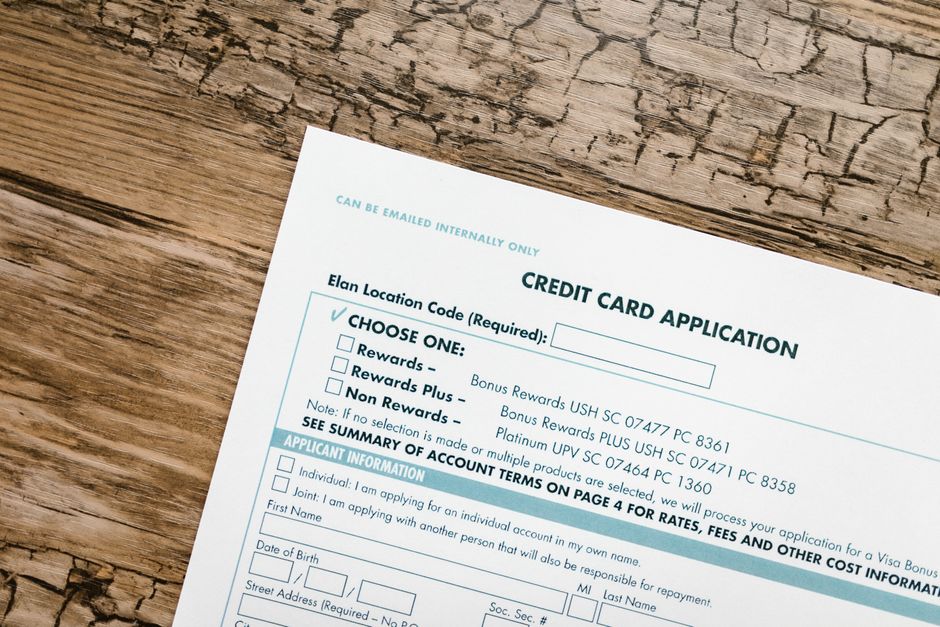
Sometimes, applications for food stamps may be denied due to various reasons such as incomplete information, failure to meet eligibility criteria, or lack of necessary documentation. If an application is denied, applicants can appeal the decision.
The appeal process involves submitting a written request to FSSA within 90 days of the denial notice. Applicants should clearly state their reasons for the appeal and provide any additional documentation that supports their case. It is advisable to keep copies of all correspondence for reference.
Card Issues
Recipients may experience issues with their EBT cards, such as loss, theft, or malfunction. In these cases, it is crucial to take immediate action to prevent unauthorized access to benefits.
If an EBT card is lost or stolen, recipients should contact the EBT customer service number immediately to report the situation and request a replacement card. It is also important to regularly check account balances to monitor for any unauthorized transactions.
Resources and Support
For individuals and families seeking assistance with food stamps in Indiana, various resources and support programs are available. These resources can help navigate the application process, provide emergency food assistance, and offer additional services.
FSSA Contact Information
The Indiana Family and Social Services Administration (FSSA) is the primary agency responsible for administering food stamp programs, including the Supplemental Nutrition Assistance Program (SNAP). If you need help or have questions regarding your food stamp benefits, you can reach out to FSSA through the following methods:
- Phone: Call 1-800-403-0864 for assistance with SNAP applications, benefits, and general inquiries.
- Website: Visit the FSSA website for online resources, eligibility requirements, and application forms.
- Local Offices: You can find your nearest FSSA office by using the office locator on the FSSA website, where you can also get in-person assistance.
It’s advisable to have your case number and any relevant documentation handy when you reach out for assistance to expedite the process.
Local Food Banks and Assistance Programs
In addition to SNAP benefits, various local food banks and assistance programs in Indiana provide crucial support to individuals and families facing food insecurity. Here are some organizations that can offer additional help:
- Feeding Indiana’s Hungry: This organization connects individuals with local food banks and pantries throughout the state. You can visit their website to find a food bank near you.
- The Salvation Army: Offers food assistance and emergency services. Find your local branch by visiting Salvation Army’s website.
- United Way of Indiana: Provides resources for food assistance and other community services. You can reach them at United Way’s website.
These organizations often have additional programs, such as meal delivery services, grocery distributions, and nutrition education, which can further assist families in need.
Recent Developments in Food Stamp Policy (2023)
As of 2023, several notable changes and developments have occurred regarding food stamp policies and benefits in Indiana. These changes reflect ongoing efforts to improve food security and adapt to the needs of residents.
Legislative Changes
This year, Indiana has seen legislative amendments aimed at enhancing the SNAP program’s effectiveness. Key changes include:
- Increased Benefits: Recent legislation has mandated a temporary increase in SNAP benefits to address rising food costs. Households are now eligible for additional funds to help mitigate the impact of inflation.
- Streamlined Application Process: New laws have been introduced to simplify the application process, allowing for online submissions and reducing the required documentation for applicants.
These legislative changes are designed to make food assistance more accessible to those who need it most, ensuring that families can obtain the necessary resources to maintain their nutritional needs.
Pandemic-related Adjustments
Although many pandemic-related policies have been rolled back, some adjustments continue to provide support for SNAP recipients in Indiana. These include:
- Emergency Allotments: The state has extended emergency allotments for SNAP benefits, providing recipients with the maximum allotment based on household size, which has helped many families during ongoing economic challenges.
- COVID-19 Waivers: Certain waivers allowing for extended eligibility periods and relaxed reporting requirements remain in effect to assist families still facing the repercussions of the pandemic.
These adjustments reflect the ongoing commitment to supporting Hoosiers as they recover from the impacts of COVID-19, ensuring that food security remains a priority.

Conclusion
Food stamps play a vital role in combating hunger and food insecurity in Indiana. By providing essential resources to eligible individuals and families, SNAP helps ensure that all residents have access to nutritious food. As policies continue to evolve, it is crucial for eligible individuals to stay informed and apply for benefits to receive the necessary support.
If you or someone you know may qualify for food stamps, don’t hesitate to reach out to the Indiana Family and Social Services Administration or local organizations for assistance. Every little bit helps in the journey toward food security.
FAQ Section
How long can I receive benefits?
The duration of SNAP benefits in Indiana can vary based on individual circumstances. Generally, benefits must be recertified every 12 months. If you continue to meet eligibility requirements, you can receive benefits indefinitely, provided you adhere to the terms and conditions set forth by the program.
Can students apply for food stamps?
Yes, students can apply for food stamps in Indiana, but there are specific eligibility criteria they must meet. Generally, students enrolled at least half-time must demonstrate financial hardship or qualify under certain exemptions, such as being a parent, working a specific number of hours per week, or being older than 50 years old.
What should I do if my benefits are cut?
If your SNAP benefits are cut, you should first review the notice you received to understand the reason for the reduction. If you believe the decision is incorrect, you can appeal by submitting a written request to the FSSA within 90 days of the decision. It is important to provide any additional documentation that can support your case.
