
Understanding Dave Ramsey’s Food Stamps Story: A Comprehensive Guide
Dave Ramsey’s Food Stamps Story Overview
Dave Ramsey, a well-known personal finance author and radio host, has shared his experiences with food stamps, which have resonated with many Americans. His story sheds light on the realities of utilizing government assistance during tough economic times. Understanding Ramsey’s journey offers insight into the broader implications of food assistance programs in the United States.
Background on Dave Ramsey
Born on September 3, 1960, in Antioch, Tennessee, Dave Ramsey has become a prominent figure in the world of personal finance. He is best known for his books and his nationally syndicated radio show, “The Dave Ramsey Show.” Ramsey’s financial philosophy revolves around debt elimination, saving, and investing for long-term wealth. However, his journey wasn’t always smooth sailing. In the early 1990s, Ramsey faced significant financial challenges that led him to file for bankruptcy after experiencing the devastating effects of poor financial decisions and economic downturns.
During this tumultuous period, Ramsey and his family relied on food stamps to make ends meet. This experience shaped his views on financial management and the importance of budgeting, leading him to advocate for financial literacy and responsible spending.
Importance of the Food Stamps Program
The Food Stamps Program, officially known as the Supplemental Nutrition Assistance Program (SNAP), is a crucial safety net for millions of Americans facing food insecurity. This government assistance program provides eligible individuals and families with the means to purchase nutritious food, thereby promoting healthier eating habits and reducing hunger.
Ramsey’s experience with food stamps highlights not only the personal challenges associated with financial hardship but also the program’s significance in supporting American families during difficult times. Food stamps can be a lifeline, allowing families to focus on regaining financial stability without the immediate worry of securing their next meal.
Overview of Ramsey’s Experience with Food Stamps
When Dave Ramsey utilized food stamps, it was a humbling experience that underscored the importance of financial planning. He has since described how this program allowed him to provide for his family while he worked to recover from his financial setbacks. Ramsey’s story illustrates the human side of financial struggles, reminding us that many families rely on assistance during challenging times.
Impact of Food Stamps on American Families
The impact of food stamps on American families is significant. According to the U.S. Department of Agriculture, SNAP benefits help lift millions of people out of poverty each year. The program not only alleviates hunger but also plays a crucial role in supporting local economies by allowing families to purchase food from local grocery stores and farmers’ markets.
Furthermore, studies have shown that food stamps improve children’s health and educational outcomes. Households that receive assistance are more likely to provide their children with balanced meals, which directly correlates with better academic performance and overall well-being.
Eligibility Requirements for Food Stamps
Understanding the eligibility requirements for food stamps is essential for anyone considering applying for assistance. The criteria can vary slightly from state to state, but certain fundamental guidelines are universally applicable.
Income Criteria
One of the primary factors determining eligibility for food stamps is household income. The U.S. Department of Agriculture sets specific income limits based on the Federal Poverty Level (FPL). Generally, to qualify for SNAP benefits, a household’s gross income must be at or below 130% of the FPL.
For example, as of 2023, the income limits for a household of four are approximately $36,000 per year. However, these limits may be adjusted annually, so it’s essential to check the most current guidelines for accuracy.
Residency Requirements
Residency is another critical component of food stamp eligibility. Applicants must be U.S. citizens or legal non-citizens and must reside in the state where they are applying for benefits. Each state has its own specific residency requirements, which can include proof of identity, address verification, and other documentation.
It’s crucial to note that while most states require applicants to live there for at least 30 days before applying, some states have more stringent residency requirements. Therefore, prospective applicants should verify their state’s regulations.
Application Process Overview
The application process for food stamps can seem daunting, but understanding the key steps can simplify the experience. Here’s a brief overview:
Detailed Income Limits Based on Household Size
Income limits for food stamp eligibility are determined by household size. Here is a simplified breakdown:
- 1 Person: Gross monthly income limit approximately $1,473
- 2 Persons: Gross monthly income limit approximately $1,984
- 3 Persons: Gross monthly income limit approximately $2,495
- 4 Persons: Gross monthly income limit approximately $3,007
- 5 Persons: Gross monthly income limit approximately $3,518
- 6 Persons: Gross monthly income limit approximately $4,030
- 7 Persons: Gross monthly income limit approximately $4,541
- 8 Persons: Gross monthly income limit approximately $5,052
For households larger than eight, add approximately $511 per additional member.
State-Specific Residency Requirements for Eligibility
As mentioned earlier, residency requirements vary across states. For instance, some states may require proof of residency through utility bills, rental agreements, or bank statements. It’s imperative for applicants to familiarize themselves with their state’s criteria to ensure a smooth application experience.
How to Apply for Food Stamps
The application process for food stamps can be completed online or in person, depending on the state. Here’s a detailed guide on both methods.
Step-by-Step Application Guide
To apply for food stamps, follow these steps:
- Gather Necessary Documents: This includes proof of identity, income verification, residency documentation, and Social Security numbers for all household members.
- Complete the Application: Whether online or in person, fill out the application form accurately. Ensure all required fields are completed to avoid delays.
- Submit the Application: If applying online, follow the instructions to submit electronically. For in-person applications, visit your local SNAP office.
- Interview Process: After submission, you may be required to attend an interview, either over the phone or in person, to discuss your application and provide any additional information.
- Receive Notification: Once your application is processed, you will receive notification regarding your eligibility and the amount of benefits you will receive.
Online vs In-Person Applications
Choosing between online and in-person applications depends on personal preference and accessibility. Here are the pros and cons of each method:
Detailed Steps for Completing the Application Process
Applying online typically involves visiting your state’s SNAP website, filling out the application form, and submitting it electronically. Most states provide user-friendly interfaces that guide applicants through the process, ensuring all necessary information is collected.
For in-person applications, you may need to visit your local Department of Social Services or SNAP office. Bring all required documents and be prepared for potential wait times.
Pros and Cons of Different Application Methods
Online applications can be convenient, allowing applicants to complete the process from home and track their application status easily. However, not everyone has reliable internet access, which can pose a barrier.
In-person applications provide direct interaction with staff, which can be beneficial for individuals who have questions or need assistance. However, this method may be time-consuming due to wait times and travel requirements.
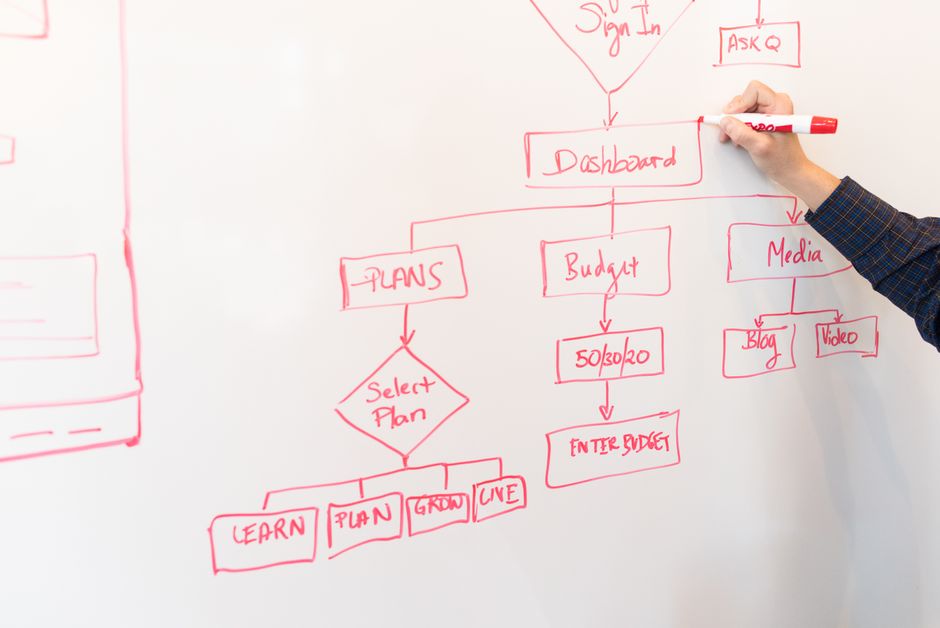
Regardless of the method chosen, it is essential to approach the application process with all required documentation and a clear understanding of the eligibility criteria. This helps ensure a smoother experience and a quicker approval process.
Benefits and Coverage of Food Stamps
Food stamps, officially known as the Supplemental Nutrition Assistance Program (SNAP), provide critical assistance to eligible individuals and families. Understanding the benefits and coverage of food stamps is essential for maximizing their potential. Here, we will explore what expenses are covered by food stamps, the monthly benefit amounts, and the eligibility of food items.
What Expenses are Covered
Food stamps are designed to help low-income individuals and families purchase food. The primary aim is to ensure that everyone has access to nutritious meals. Here are the main categories of expenses that food stamps cover:
- Groceries: SNAP benefits can be used to buy a variety of food items, including fruits, vegetables, meats, dairy products, breads, cereals, and non-alcoholic beverages.
- Seeds and Plants: Benefits can also be used to purchase seeds and plants that produce food for the household, encouraging self-sufficiency.
- Prepared Foods: In some states, beneficiaries can use food stamps to buy hot or prepared foods, though rules vary widely. Always check local regulations.
- Non-Food Items: It’s important to note that food stamps cannot be used for non-food items, such as household supplies, pet food, or personal care products.
Understanding what is covered can help recipients make informed choices about their grocery purchases, ensuring that they utilize their benefits effectively.
Monthly Benefit Amounts
The amount of benefits a household receives each month is based on its size, income, and expenses. Here are some key points regarding monthly benefit amounts:
Explanation of Eligible Food Items
Eligible food items for purchase with food stamps include:
- Fruits and vegetables
- Meat, poultry, and fish
- Dairy products
- Bread and cereals
- Snack foods and non-alcoholic beverages
These items are specifically chosen to ensure that beneficiaries can buy nutritious foods to support a healthy diet.
Average Monthly Benefits by Household Size
As of 2023, the average monthly SNAP benefit amounts vary by household size. Here’s a simplified breakdown:
- 1 Person: Approximately $250
- 2 Persons: Approximately $500
- 3 Persons: Approximately $700
- 4 Persons: Approximately $900
- 5 Persons: Approximately $1,000
- 6 Persons: Approximately $1,200
- 7 Persons: Approximately $1,400
- 8 Persons: Approximately $1,600
For households larger than eight, add approximately $200 per additional member. These amounts are adjusted periodically to reflect changes in the cost of living.

Important Dates for Food Stamps
Staying informed about important dates related to food stamps is crucial for maintaining benefits. Here we will discuss application deadlines and renewal dates, including state-specific guidelines.
Application Deadlines
Application deadlines for food stamps can vary by state and specific circumstances. Generally, applicants are encouraged to apply as soon as they determine their eligibility. Here are some common scenarios regarding deadlines:
- Initial Applications: For new applicants, there is usually no specific deadline, though it is advisable to apply promptly to avoid gaps in benefits.
- Emergency Applications: In situations of extreme need, such as homelessness or food insecurity, states may have expedited application processes that must be completed within 7 days.
- State-Specific Deadlines: Each state has its own regulations, so it’s essential to check with local SNAP offices for specific deadlines.
Renewal Dates
Renewing food stamp benefits is a critical aspect of maintaining assistance. Most states require recipients to renew their benefits periodically. Here’s what to know about renewal dates:
State-Specific Application Deadlines
Renewal deadlines will vary by state. Some states may require renewals every 6 months, while others could extend this to a year. It’s essential to keep track of when your benefits are set to expire. Here are general steps to ensure timely renewals:
- Review your benefit renewal notice for specific dates.
- Complete the renewal application as directed.
- Submit any required documentation before the deadline.
Guidelines for Renewing Benefits
To renew benefits successfully, it’s crucial to:
- Provide updated information on household income and expenses.
- Verify that all household members continue to meet eligibility requirements.
- Attend any required interviews or meetings as scheduled by the local SNAP office.
Failure to renew on time can lead to a loss of benefits, so it’s advisable to mark these dates on a calendar to avoid missing them.

Common Misconceptions about Food Stamps
Despite the vital support that food stamps offer, there are many misconceptions surrounding the program. Addressing these misunderstandings is crucial to reducing stigma and ensuring that eligible individuals take advantage of the benefits available to them.
Stigma and Stereotypes
Unfortunately, there is a prevalent stigma associated with receiving food stamps. Many people may view beneficiaries through a biased lens. Here’s how to combat this stigma:
- Education: Increasing awareness about the demographics of food stamp recipients can help change perceptions. Many families, including working individuals, rely on food stamps to make ends meet.
- Community Support: Encouraging community dialogues about food insecurity can lead to a more supportive environment for those in need.
- Personal Stories: Sharing personal experiences, such as those from Dave Ramsey, can humanize the recipients and demonstrate that anyone can face financial challenges.
Misunderstandings about Eligibility
Many misconceptions exist around who qualifies for food stamps. Here are common myths that need clarification:
Addressing Stigma Surrounding Food Stamps
One common myth is that food stamps are only for individuals who are unemployed or not trying to find work. In reality, many working families qualify for assistance due to low wages and the high cost of living.
Clarifying Common Myths about Eligibility
Another misconception is that receiving food stamps is a permanent situation. In fact, food stamps are designed as temporary assistance, and many beneficiaries eventually transition out of the program as their situations improve.
Additionally, some believe that only families with children can receive benefits. However, SNAP is available to individuals and families of all compositions, including seniors and disabled individuals.
By debunking these myths, we can foster a better understanding of the SNAP program, encouraging eligible individuals to seek the assistance they need.
Dave Ramsey’s Financial Principles and Food Assistance
Dave Ramsey’s financial principles emphasize personal responsibility, budgeting, and debt management. Understanding how these principles intersect with food assistance can empower individuals to make informed decisions regarding their finances and food security.
The Role of Budgeting
Budgeting is the cornerstone of effective financial planning. For those receiving food assistance, it is essential to create a budget that accommodates both fixed and variable expenses. Food stamps can significantly ease the burden of grocery costs, but strategic budgeting is necessary to maximize their impact.
When building a budget, consider these steps:
- Assess Income: Start by determining all sources of income, including food assistance benefits.
- Identify Expenses: List all monthly expenses, categorizing them into essentials (rent, utilities, groceries) and discretionary spending (entertainment, dining out).
- Set Priorities: Allocate funds based on necessities first, ensuring that food costs are covered before discretionary spending.

By incorporating food assistance into a comprehensive budget, individuals can reduce financial stress and ensure that they meet their nutritional needs while also planning for future expenses.
Debt Management Strategies
Debt management plays a critical role in achieving financial stability. Ramsey’s teachings advocate for living within one’s means and avoiding unnecessary debt. For those utilizing food assistance, applying these strategies can help maintain a balanced financial life.
Here are some key debt management strategies that can complement food assistance:
- Snowball Method: Focus on paying off the smallest debts first while making minimum payments on larger debts. This builds momentum and encourages discipline.
- Cutting Unnecessary Expenses: Review your budget for areas where spending can be reduced. This extra money can be redirected towards paying off debts or saving for emergencies.
- Emergency Fund: Aim to build a small emergency fund to handle unexpected expenses without resorting to credit cards or loans.
By managing debt effectively, individuals receiving food assistance can create a sustainable financial plan that balances immediate needs with long-term goals.
How Ramsey’s Principles Can Apply to Food Assistance
Applying Ramsey’s principles to food assistance means recognizing the value of the benefits while using them as a tool for financial improvement. For instance, understanding how to budget effectively can help individuals stretch their food stamps further, allowing for healthier food choices that can enhance overall well-being.
Balancing Benefits with Financial Planning
Food assistance should not be viewed as a permanent solution, but rather as a stepping stone to financial independence. By integrating food assistance into a broader financial plan, recipients can leverage the benefits to stabilize their financial situation while implementing Ramsey’s strategies for long-term success.
Resources for Further Assistance
In addition to food assistance programs, various resources exist to help individuals and families navigate challenges related to food security. These resources can provide additional support beyond what food stamps offer.
Local Food Banks
Local food banks are vital community resources that provide free or low-cost food to individuals in need. They often serve as a supplemental resource for those receiving food assistance and can help bridge the gap during times of financial hardship.
Here’s how to locate and utilize local food banks:
- Research Local Options: Use online tools or community resources to find food banks in your area.
- Understand Eligibility: Many food banks have minimal requirements, but it’s important to check ahead of time.
- Visit Regularly: Some food banks may offer monthly distributions, so establish a routine to ensure adequate food supply.
Food banks often provide not only groceries but also essential services such as nutrition education and cooking classes, which can further enhance food security.
Government Resources
In addition to food stamps and local food banks, various government resources offer assistance in times of need. These can include programs aimed at improving nutrition, providing financial assistance, and offering employment support.
List of Organizations that Provide Additional Help
Several organizations work in conjunction with government agencies to offer support:
- Feeding America: A nationwide network of food banks that provides food assistance and resources.
- WIC (Women, Infants, and Children): A program offering nutritional support for low-income pregnant women and young children.
- Local Community Action Agencies: Many communities have agencies dedicated to helping residents with various assistance programs, including food and housing support.
Information on Government Websites for Food Assistance
For more information on food assistance programs, visit the following official websites:
- USDA Food and Nutrition Service: [www.fns.usda.gov](http://www.fns.usda.gov) – The main hub for information on federal food assistance programs.
- Benefits.gov: [www.benefits.gov](http://www.benefits.gov) – A comprehensive resource for finding federal and state assistance programs.
- Local SNAP Office Locator: Use the USDA website to locate your state’s SNAP office for personalized assistance.
Exploring these resources can provide additional avenues for support, helping individuals and families navigate their journey toward food security.
Frequently Asked Questions about Food Stamps
General FAQs
Many individuals have common questions regarding food stamps and the application process. Here are some frequently asked questions and their answers:
- What are food stamps? Food stamps, or SNAP benefits, are government-issued vouchers that help low-income individuals and families purchase food.
- How do I apply for food stamps? Applications can be submitted online or in-person at your local SNAP office. Check your state’s website for specific procedures.
- What can I buy with food stamps? Food stamps can be used to purchase eligible food items, including fruits, vegetables, meat, dairy, and bread. However, they cannot be used for non-food items such as paper products or alcohol.
Specific Situations
Some questions arise from specific circumstances. Here are common inquiries regarding food stamps and tailored responses:
- Can I receive food stamps if I work? Yes, many working individuals and families qualify for food stamps based on their income level, even if they are employed.
- What if I have a temporary increase in income? Temporary increases in income may not disqualify you from receiving benefits, but it’s crucial to report any changes to your local SNAP office.
- How can I get personalized assistance? For personalized help, reach out to your local SNAP office or community action agency. They can provide tailored guidance based on your specific situation.
Receiving food assistance is a valuable resource, and individuals are encouraged to seek help from local agencies and community organizations. Remember, reaching out for assistance is a sign of strength and a proactive step towards financial stability.
In conclusion, understanding the intersection of Dave Ramsey’s financial principles and food assistance can empower individuals to manage their resources effectively. By leveraging budgeting, debt management strategies, and additional support from local resources, individuals can work towards achieving their financial goals while navigating food insecurity. Remember, help is always available, and taking the first step can lead to a more secure future.
