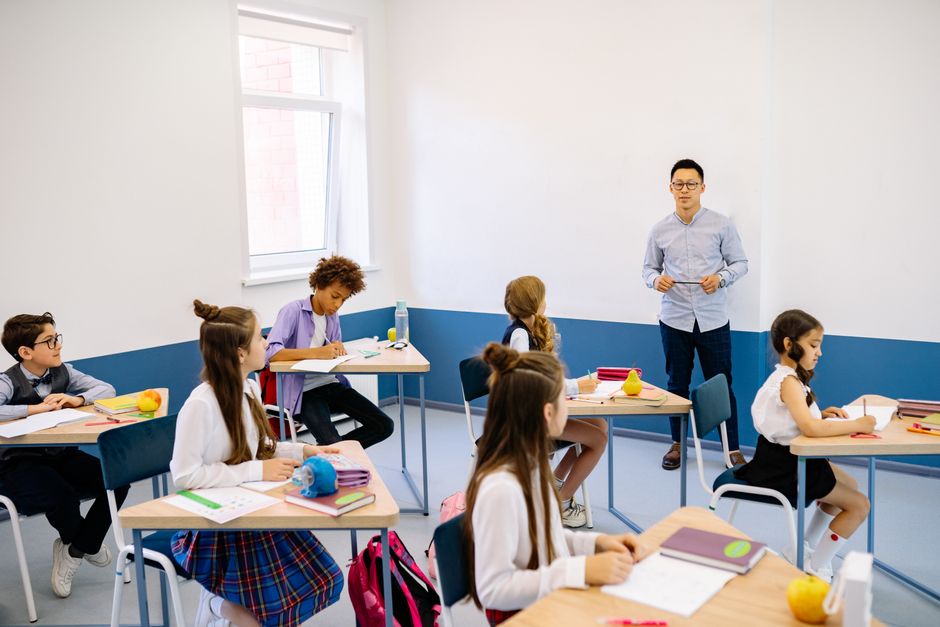
Youth Education Series: A Comprehensive Guide to Engaging Learning
Youth Education Series – Complete Guide
As an experienced educator, I’ve witnessed firsthand the transformative power of education in a young person’s life. The Youth Education Series is a structured initiative designed to provide comprehensive learning experiences tailored to the developmental needs of youth. In this article, we will explore the various facets of the Youth Education Series, its significance, and how it can be effectively implemented for maximum impact.
Overview of Youth Education Series
The Youth Education Series is an educational framework aimed at equipping young individuals with essential skills and knowledge. This series often includes workshops, seminars, and interactive sessions that cover various topics ranging from academic achievement to social skills and career readiness. The primary objective is to foster holistic development, encouraging youth to thrive both personally and professionally.

In recent years, the focus on youth education has grown, especially in light of the rapid changes in technology and career landscapes. As we move through 2023, the need for adaptable skill sets and critical thinking has never been more vital. The Youth Education Series aims to address these needs by providing relevant and engaging content that resonates with young learners.
Importance of Youth Education
Youth education serves as a cornerstone for building a robust future. It is essential for personal growth, fostering confidence, and equipping young people with the tools necessary for success in a competitive world.
Defining the Youth Education Series and its Objectives: At its core, the Youth Education Series is designed to create a supportive learning environment that nurtures curiosity and encourages exploration. The series aims to achieve several objectives, including:
- Enhancing academic performance
- Developing critical thinking and problem-solving skills
- Encouraging collaboration and social responsibility
- Building a foundation for lifelong learning
Discussing the Importance of Youth Education in Personal and Professional Development: Education during youth years plays a pivotal role in shaping a person’s character and career trajectory. Statistics show that individuals who engage in structured educational programs are more likely to pursue higher education and excel in their chosen fields. Moreover, youth education fosters essential life skills such as communication, teamwork, and adaptability, which are crucial in today’s dynamic work environments.
What You Need to Know
Target Audience
The Youth Education Series targets a diverse demographic, primarily focusing on individuals aged 12 to 24. This age group is critical as it encompasses both middle and high school students, as well as young adults entering the workforce or pursuing higher education. Within this broad range, the series can cater to:
- Students seeking academic support
- Young adults exploring vocational training options
- Individuals looking for personal development opportunities
Understanding the unique needs and challenges faced by these demographics is essential for creating an effective educational series. For instance, middle school students may require more foundational skills, while high school students may benefit from career-oriented workshops.
Core Components
To create a successful Youth Education Series, several core components must be incorporated. These components are critical for ensuring that the program is comprehensive, engaging, and effective.
Identifying the Key Demographics Targeted by the Series: The series should cater to various educational backgrounds and skill levels, allowing for inclusivity. This includes providing resources for students with learning difficulties, language barriers, or those who are academically gifted. Tailoring content to meet these diverse needs ensures that every participant can benefit from the program.
Outlining the Essential Components of a Successful Youth Education Program: A well-rounded youth education program should include the following components:
- Curriculum Development: A well-structured curriculum that aligns with educational standards and addresses the needs of the target audience.
- Engagement Strategies: Interactive workshops, group activities, and real-world applications to maintain participant interest and foster learning.
- Assessment and Feedback: Regular assessments to gauge progress and gather feedback from participants for continuous improvement.
- Qualified Instructors: Educators who are not only knowledgeable but also skilled in engaging with youth and understanding their unique challenges.

These components work together to create a comprehensive and impactful educational experience that not only imparts knowledge but also inspires and motivates students.
Step-by-Step Explanation
Creating a Youth Education Series
Developing a Youth Education Series involves a systematic approach to ensure that all aspects are thoughtfully considered. Here’s a step-by-step process to guide you through the creation of an engaging education series:
- Identify Learning Objectives: Begin by outlining the specific skills and knowledge you want participants to gain. This could include academic subjects, life skills, or career-related competencies.
- Conduct Needs Assessment: Engage with potential participants, educators, and community stakeholders to determine the most pressing needs and interests of the youth.
- Design the Curriculum: Create a curriculum that addresses identified needs while incorporating interactive elements to enhance engagement.
- Select Qualified Instructors: Recruit educators who have a passion for teaching youth and can deliver content in an engaging manner.
- Implement Pilot Programs: Before launching the full series, run pilot sessions to test content and gather feedback for adjustments.
Implementing the Program
Once the series is developed, effective implementation is crucial for success. Here are some guidelines to ensure a smooth rollout:
- Establish Clear Communication: Ensure that all stakeholders, including instructors, students, and parents, understand the program’s objectives and logistics.
- Utilize Technology: Leverage technology to facilitate learning, such as online resources, multimedia presentations, and interactive platforms.
- Foster a Supportive Environment: Create a positive learning atmosphere that encourages participation and values diversity.
- Gather Feedback: Collect ongoing feedback from participants to make necessary adjustments and improvements throughout the series.
- Evaluate Outcomes: After completion, assess the program’s effectiveness in achieving its goals and consider areas for future enhancement.
By following these steps and guidelines, educators can create a Youth Education Series that not only meets the needs of young learners but also empowers them to achieve their fullest potential.
Examples
Successful Youth Education Series
Across the globe, various organizations have launched successful youth education series that cater to diverse interests and needs. These series not only provide knowledge but also empower young individuals to take charge of their learning journey. Here are a few noteworthy examples:
- STEM for All: This initiative focuses on engaging youth in science, technology, engineering, and mathematics (STEM) through interactive workshops. By partnering with local schools, they offer hands-on experiences that make STEM concepts relatable and fun.
- Global Citizen Year: A gap-year program that immerses high school graduates in communities around the world. Participants learn about global citizenship while developing leadership skills through service projects.
- Girls Who Code: Aimed at closing the gender gap in technology, this series provides young girls with coding skills through fun, collaborative projects. Their approach has shown significant increases in participants’ confidence and interest in tech careers.
These examples illustrate how tailored educational series can make a significant impact on youth development by addressing their interests and empowering them with essential skills.
Case Studies
Examining case studies of successful youth education series can provide insights into effective practices and measurable outcomes. Here are two notable case studies:
- Case Study 1: The After-School Alliance
This organization runs after-school programs across the United States, focusing on academic support and life skills development. A study showed that students participating in their programs had improved grades and higher school attendance rates. The interactive nature of the activities, combined with mentorship from trained instructors, fostered a sense of community and belonging among participants. - Case Study 2: The Young Leaders Program
This initiative, launched by a nonprofit organization, aims to develop leadership skills among youth from underserved communities. Through workshops and community projects, participants reported increased self-efficacy and enhanced problem-solving skills. Feedback indicated that many participants felt more prepared for future academic and career challenges, demonstrating the program’s effectiveness in fostering resilience and leadership.
These case studies highlight how structured programs with clear objectives can yield positive outcomes for youth, emphasizing the importance of engagement and support in the learning process.
Practice Tips
Engaging Activities
To reinforce learning in youth education series, incorporating engaging activities is essential. Here are some interactive exercises that can be utilized:
- Role-Playing: Create scenarios relevant to the curriculum where students can act out roles. This technique encourages empathy and helps students understand different perspectives.
- Group Projects: Encourage collaboration by assigning group tasks that require teamwork. For example, students can work together to create a presentation on a chosen topic, fostering communication and problem-solving skills.
- Interactive Quizzes: Use technology to create quizzes that can be taken in real-time. This not only makes learning fun but also helps assess comprehension immediately.
These activities not only make learning enjoyable but also enhance retention by allowing students to apply their knowledge in practical ways.
Feedback and Assessment
In youth education, feedback and assessment play a crucial role in shaping the learning experience. Here’s why these elements are vital:
- Continuous Improvement: Regular feedback helps educators understand what works and what needs adjustment. For instance, after each session, instructors can collect anonymous feedback from students to gather insights on their experiences.
- Encouraging Growth: Providing constructive feedback allows students to understand their strengths and areas for improvement. This promotes a growth mindset, where students learn to view challenges as opportunities.
- Tailored Learning: Assessment results can guide educators in adapting the curriculum to better suit the needs of their students. Formative assessments, like short quizzes or reflective journals, can help identify areas where students may need additional support.
Incorporating regular feedback mechanisms and assessments ensures that the education series remains responsive to the needs of youth, promoting effective learning outcomes.
Resources
Books and Publications
Several books and publications can provide valuable insights into youth education. Here are some notable recommendations:
- “The Power of Passion and Perseverance” by Angela Duckworth: This book explores the concept of grit and how perseverance impacts success in youth education.
- “Teach Like a Champion” by Doug Lemov: A practical guide filled with techniques and strategies for effective teaching in diverse classroom settings.
- “Mindset: The New Psychology of Success” by Carol S. Dweck: Dweck’s research on fixed versus growth mindsets is essential for educators seeking to inspire resilience in students.
These resources offer insights into effective educational practices, inspiring educators to adopt innovative approaches in their youth education series.
Online Platforms
In addition to books, various online platforms offer resources and learning opportunities for educators. Here are some recommended sites:
- Edutopia: A comprehensive resource that provides articles, videos, and tools for educators focusing on innovative teaching practices.
- Khan Academy: An online platform offering free educational resources across various subjects, promoting self-paced learning for students of all ages.
- Coursera: This platform offers online courses from universities worldwide, allowing educators to expand their knowledge on youth education topics and best practices.
By utilizing these online resources, educators can enhance their skills and stay updated on current trends in youth education.
FAQ
Common Questions About Youth Education Series
The youth education series is an extensive framework designed to enhance the learning experiences of young individuals. With various methodologies, resources, and activities integrated into the curriculum, questions often arise regarding its implementation and effectiveness. Below are some frequently asked questions, along with concise answers aimed at providing clarity and guidance.
What is the Youth Education Series?
The Youth Education Series is a structured program that focuses on the academic, social, and emotional development of students. It encompasses a variety of subjects and activities that aim to cultivate skills such as critical thinking, collaboration, and creativity. The series aligns with current educational standards, ensuring that it meets the developmental needs of learners.
How can educators implement the Youth Education Series in their classrooms?
Educators can implement this series by integrating its principles into lesson plans and activities. Here’s how:
- Curriculum Integration: Align teaching materials with the goals of the series, making sure to incorporate key skills and knowledge areas.
- Interactive Learning: Use hands-on activities, group projects, and technology to engage students actively.
- Continuous Professional Development: Attend workshops and training sessions to stay updated on the latest strategies and resources related to the youth education series.
By following these steps, educators can create a dynamic learning environment that promotes student engagement and effectiveness.
What age groups does the Youth Education Series target?
The series is designed to cater to various age groups, typically ranging from early childhood through adolescence. The content is tailored to meet the developmental stages of learners, ensuring age-appropriate materials and activities. For example, younger students may focus on foundational skills, while older students might engage in more complex problem-solving tasks.
Are there any research studies supporting the effectiveness of the Youth Education Series?
Yes, numerous studies have demonstrated the positive impacts of structured youth education programs. For instance, research published in educational journals highlights improved academic performance, enhanced social skills, and increased motivation among students participating in such series. Additionally, programs aligned with official educational standards tend to yield more significant results, as they are designed based on proven pedagogical frameworks.
What resources are available for educators implementing the Youth Education Series?
Educators can access a variety of resources to support their implementation of the Youth Education Series:
- Online platforms: Websites like Edutopia and Khan Academy provide free materials and strategies.
- Professional organizations: Groups such as the National Education Association (NEA) offer workshops, conferences, and publications focused on youth education.
- Books and literature: Numerous publications delve into effective practices in youth education, offering insights and strategies for educators.
These resources can help educators enhance their knowledge and skills, ultimately benefiting their students.
How can parents support the Youth Education Series at home?
Parents play a crucial role in supporting their children’s education. Here are some ways they can contribute:
- Encourage Learning at Home: Create a conducive learning environment by providing resources and time for homework and study.
- Engage in Educational Activities: Participate in educational games or discussions that relate to what students are learning in school.
- Communicate with Educators: Maintain regular communication with teachers to stay informed about their child’s progress and how to further support their learning.
By actively participating in their child’s education, parents can reinforce the benefits of the youth education series.
What are some common challenges faced in implementing the Youth Education Series?
Implementing the Youth Education Series can come with challenges, including:
- Resource Limitations: Some schools may lack the necessary materials or technology to fully integrate the series.
- Training Needs: Educators may require additional training to effectively implement new strategies and tools.
- Resistance to Change: Some educators and parents may be hesitant to adopt new methodologies, preferring traditional teaching methods.
Addressing these challenges involves ongoing professional development, adequate funding for resources, and open communication among all stakeholders to foster a supportive educational environment.
Where can I find additional information on the Youth Education Series?
For more in-depth information, consider visiting the following resources:
- Official Educational Websites: Sites like the U.S. Department of Education provide guidelines and standards for implementing youth education programs.
- Educational Blogs and Forums: Online communities and blogs can offer insights and personal experiences from educators who have implemented the series.
- Local Educational Conferences: Attending conferences can help educators network and learn about new developments in youth education.
These avenues will provide richer insights into youth education and how to effectively engage with the series.
Conclusion
In conclusion, the Youth Education Series is a vital framework that enhances the learning experiences of students by integrating innovative teaching methods, collaborative activities, and continuous assessment. By addressing common questions and providing clear answers, we hope to empower educators, parents, and students alike to navigate this educational journey effectively.
As we continue to develop and refine these educational practices, staying informed and engaged will help ensure that our youth are prepared for the challenges of the future. Remember, the key to success in education lies in collaboration, adaptability, and a commitment to lifelong learning.
For further inquiries or additional resources, feel free to explore the recommendations provided throughout this article or reach out to educational professionals in your community.