
How to Apply for Food Stamps in California: CalFresh Step-by-Step Guide
Navigating the public benefits system can feel overwhelming, especially when you are trying to secure essential nutritional support for your household. In California, the federal Supplemental Nutrition Assistance Program (SNAP) is known as CalFresh.
This state-administered program helps low-income individuals and families purchase healthy and nutritious food. Understanding the application process, eligibility criteria, and required documentation is the first step toward securing these monthly benefits.
This comprehensive guide will provide a detailed, step-by-step walkthrough on how to apply for food stamps in california. By following this structured approach, you can navigate the system efficiently and avoid common application delays.
CalFresh Overview
CalFresh is California’s version of the federal SNAP program, designed to improve the health and well-being of low-income households. The program issues monthly electronic benefits that can be used to buy most foods at many grocery stores, convenience stores, and farmers’ markets.
These benefits are distributed via an Electronic Benefit Transfer (EBT) card, which operates similarly to a debit card. This system ensures privacy and ease of use for participants at the checkout counter.

The California Department of Social Services (CDSS) oversees the program at the state level, but individual county social services agencies manage the local administration and eligibility determinations. This means that while the rules are standardized statewide, you will interact directly with your specific county office during the application process.
It is worth noting that while some financial advisors suggest alternative budgeting strategies, such as those discussed in the dave ramsey food stamps story, government safety nets like CalFresh remain crucial resources for families experiencing immediate food insecurity.
Eligibility Requirements
To qualify for CalFresh, households must meet specific eligibility requirements established by federal and state regulations. These requirements are primarily based on household size, monthly income, residency, and citizenship status.
A household is defined as a group of people who live together and buy and prepare meals together. Spouses and children under the age of 22 living together must always be considered part of the same household, even if they buy and prepare food separately.
Income Limits
CalFresh eligibility is determined by comparing a household’s gross and net income against established federal poverty guidelines. Gross income refers to the total non-excluded income earned by the household before any deductions are made.
Most households must have a gross monthly income at or below 200% of the Federal Poverty Level (FPL) to qualify. However, households with an elderly member (aged 60 or older) or a disabled member are not subject to the gross income test; instead, they are evaluated based on net income limits.
Net income is calculated by taking the gross income and subtracting allowed deductions, such as housing costs, utility allowances, child care expenses, and medical expenses for elderly or disabled members. To receive benefits, a household’s net income must be at or below 100% of the FPL.
The table below outlines the general gross monthly income limits based on household size. Please note that these thresholds are updated annually on October 1st by the federal government.
- Household Size of 1: Maximum Gross Monthly Income of $2,510
- Household Size of 2: Maximum Gross Monthly Income of $3,407
- Household Size of 3: Maximum Gross Monthly Income of $4,303
- Household Size of 4: Maximum Gross Monthly Income of $5,200
- Household Size of 5: Maximum Gross Monthly Income of $6,097
- Household Size of 6: Maximum Gross Monthly Income of $6,993
- Household Size of 7: Maximum Gross Monthly Income of $7,890
- Household Size of 8: Maximum Gross Monthly Income of $8,787
- Each Additional Member: Add $897
Age/Residency
Applicants must be current residents of California to receive CalFresh benefits through the state. There is no minimum residency period required, meaning you can apply as soon as you establish residency in a California county.
Citizenship and immigration status also play a critical role in eligibility. U.S. citizens, permanent residents (green card holders), refugees, asylees, and certain other qualified immigrants are eligible to apply.
Applying for CalFresh for eligible family members, such as U.S.-born children, will not affect the immigration status of non-citizen parents. Under current federal rules, receiving CalFresh does not make an individual a “public charge” and will not jeopardize path-to-citizenship processes.
College students aged 18 to 49 who are enrolled at least half-time must meet specific exemption criteria to qualify. Exemptions include working at least 20 hours per week, participating in a state or federally funded work-study program, or receiving a Cal Grant A or B that meets specific criteria.
How to Apply (Step-by-Step)
Learning how to apply for food stamps in california involves a series of clear, sequential steps designed to verify your eligibility. The state offers multiple channels to submit your application, allowing you to choose the method that best fits your needs.
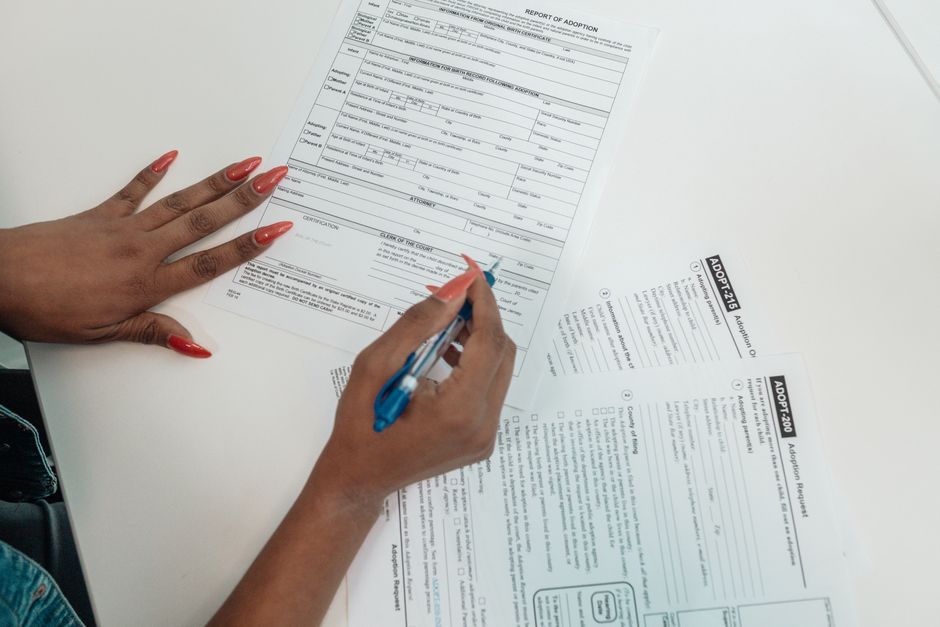
Follow this step-by-step guide to complete your CalFresh application process efficiently:
- Gather Required Information: Before starting, collect details about your household’s income, housing expenses, and social security numbers for all members applying.
- Choose Your Application Method: You can apply online, by phone, by mail, or in person at your local county social services office.
- Online: The fastest way to apply is online via the official portal at BenefitsCal.com or GetCalFresh.org.
- By Phone: You can call your county’s social services agency or the state helpline at 1-877-847-3663 (REACH-CA) to apply over the phone.
- In Person: Visit your local county social services office during business hours to fill out and submit a paper application.
- By Mail or Fax: Download and print the CalFresh Application Form (CF 285), fill it out, and mail or fax it to your county office.
- Submit the Application: Complete all sections of the application form as accurately as possible and submit it to initiate the review process.
- Complete the Eligibility Interview: Once your application is received, a county caseworker will contact you to schedule an interview. This interview is typically conducted over the phone, though you can request an in-person interview if preferred.
- Submit Verification Documents: During or after the interview, the caseworker will provide a list of specific documents needed to verify the information on your application. You must submit these documents within the requested timeframe (usually 10 days) to avoid denial.
- Receive Your Determination: The county has up to 30 days to process your application. If approved, you will receive an approval letter and your EBT card in the mail with instructions on how to set up your PIN.
Understanding the application process in California can help you compare systems across the country. For instance, you might wonder how other states manage their programs, such as looking into food stamps louisiana or the administration of the louisiana snap food stamp program, which have unique state-level portals and processing timelines.
Required Documents
To verify the details provided in your application, the county social services agency will require specific documentation. Providing these documents promptly is crucial to ensuring your application is processed without unnecessary delays.
It is highly recommended to gather these documents before your interview so you can upload or submit them immediately. Below is a list of the most commonly requested verification items:
- Proof of Identity: A driver’s license, state ID card, passport, or birth certificate for the primary applicant.
- Social Security Numbers: SSNs for all household members applying for benefits (cards are preferred but not always mandatory if the number can be verified electronically).
- Proof of Income: Earned income proof (such as pay stubs for the last 30 days) and unearned income proof (such as award letters for Social Security, unemployment benefits, child support, or pension statements).
- Proof of California Residency: A utility bill, rental agreement, or mortgage statement showing your current address.
- Housing and Utility Expenses: Documents showing how much you pay for rent or mortgage, property taxes, and home insurance.
- Child Care or Dependent Care Expenses: Receipts or statements showing payments made for child care necessary for work or training.
- Medical Expenses: Receipts for out-of-pocket medical expenses for household members who are elderly (60+) or disabled.
- Immigration Status: Alien registration cards (green cards) or other visa documents for non-citizens applying for benefits.
Benefit Amounts & Duration
The amount of CalFresh benefits a household receives is calculated based on household size and net monthly income. The federal government sets maximum allotment amounts, which represent the maximum benefit a household with zero net income can receive.
To determine your actual monthly benefit, the county multiplies your household’s net monthly income by 30% and subtracts that amount from the maximum allotment for your household size. This formula assumes that a household should spend 30% of its net income on food.

The maximum monthly allotments for CalFresh households are updated annually. Below are the standard maximum allotments currently in place:
- Household Size of 1: $292
- Household Size of 2: $536
- Household Size of 3: $768
- Household Size of 4: $975
- Household Size of 5: $1,158
- Household Size of 6: $1,390
- Household Size of 7: $1,536
- Household Size of 8: $1,756
- Each Additional Person: Add $220
Once approved, your certification period determines how long you will receive benefits before needing to reapply. For most households, the certification period is 12 months.
During this period, you must submit a Semi-Annual Report (known as the SAR 7 form) at the six-month mark. This form reports any changes in income, household size, or expenses to ensure your benefit amount remains accurate.
For households where all adult members are elderly or disabled and have no earned income, the certification period is extended to 24 or 36 months. These households are generally exempt from the SAR 7 reporting requirement, though they must report specific changes as they occur.
Different states have varying schedules for issuing these monthly funds. For example, individuals tracking their benefits in the South often ask will georgia get food stamps in november to plan their grocery budgets, whereas California issues CalFresh benefits over the first 10 days of every month based on the last digit of the recipient’s case number.
Common Questions & Mistakes
Many applicants experience delays or denials due to simple errors or misunderstandings of the program’s rules. Being aware of these pitfalls can help ensure a smoother application experience.
One common mistake is assuming that owning a home or a car disqualifies you from receiving benefits. In California, there is no asset or resource limit for the majority of CalFresh households, meaning your savings, home, and vehicles are not counted toward eligibility.
Another frequent issue is failing to submit the SAR 7 semi-annual report on time. If this report is missed, your benefits will be suspended, and you may have to go through the entire application process again.
Additionally, households often fail to claim all eligible deductions, such as utility expenses or medical costs for elderly members. Maximizing these deductions lowers your calculated net income, which can significantly increase your monthly benefit amount.
Rules regarding assets and work requirements can vary significantly by state. For example, applicants researching indiana food stamps will find different asset tests and administrative procedures compared to California’s streamlined policies.
Related Programs
If you qualify for CalFresh, you may also be eligible for other public assistance programs designed to support low-income families in California. Combining these resources can provide comprehensive financial relief.
CalWORKs: This program provides temporary financial assistance and employment services to families with children. CalWORKs and CalFresh applications can be completed simultaneously through the BenefitsCal portal.
Medi-Cal: California’s Medicaid program offers free or low-cost health coverage for children and adults with limited income. You can apply for Medi-Cal at the same time you submit your CalFresh application.
WIC (Women, Infants, and Children): WIC provides supplemental food, healthcare referrals, and nutrition education for low-income pregnant, breastfeeding, and postpartum women, as well as infants and children up to age five.
Summer EBT (SUN Bucks): This program provides food benefits to school-aged children during the summer months when school lunches are not available. Eligible children receive a one-time benefit on an EBT card during the summer season.
FAQ
How long does it take to get approved for CalFresh?
Standard applications are processed within 30 days of submission. If you meet the criteria for Expedited Service, you can receive your benefits within three calendar days.
What qualifies a household for Expedited Service?
You qualify for Expedited Service if your household’s gross monthly income is less than $150 and liquid resources are $100 or less, or if your combined monthly income and resources are less than your monthly rent and utility costs.
Can I use my California EBT card in other states?
Yes, your California EBT card can be used at participating retail locations in any U.S. state, as well as the District of Columbia, Guam, and the U.S. Virgin Islands.
What items are prohibited from being purchased with CalFresh?
You cannot use CalFresh benefits to buy alcohol, tobacco, hot prepared foods ready to eat, pet food, vitamins, medicines, or non-food household items like soap and paper products.
Can SSI recipients receive CalFresh in California?
Yes, individuals receiving Supplemental Security Income (SSI/SSP) in California are eligible to apply for and receive CalFresh benefits, provided they meet all other eligibility requirements.
What should I do if my application is denied?
If your application is denied, you have the right to request a State Hearing within 90 days of the decision date. The instructions on how to appeal are printed on the back of your denial notice.
Conclusion
Applying for nutritional assistance is a practical step toward stabilizing your household budget and ensuring access to healthy meals. By understanding the guidelines and preparation steps on how to apply for food stamps in california, you can navigate the state system with confidence.
Remember to submit your verification documents quickly and keep track of your semi-annual reporting deadlines to maintain your benefits. For further assistance, reach out to your local county social services office or visit the official BenefitsCal portal.
