
Does Whole Foods Market Accept Food Stamps? EBT Guide
Yes, Whole Foods Market accepts food stamps, officially known as the Supplemental Nutrition Assistance Program (SNAP), at all of its retail locations across the United States. Eligible shoppers can use their Electronic Benefits Transfer (EBT) cards at checkout to purchase SNAP-approved grocery items, including organic produce, meats, and dairy products. This payment option allows low-income families to access high-quality, nutritious foods at one of the nation’s premier organic grocery chains.
While Whole Foods welcomes EBT cards in-store, there are specific federal guidelines regarding what you can and cannot purchase with your benefits. Knowing how to navigate these rules can help you maximize your monthly food budget and avoid issues at the register. In this comprehensive guide, we will break down how the SNAP program works at Whole Foods, how to apply for benefits, and how to shop both in-store and online.
SNAP & Whole Foods Market Overview
The Supplemental Nutrition Assistance Program is a federal program administered by the United States Department of Agriculture (USDA) Food and Nutrition Service. SNAP provides monthly financial assistance to eligible low-income individuals and families, which is loaded onto a plastic EBT card that functions like a debit card. Whole Foods Market is fully integrated into this federal network, allowing shoppers to swipe their EBT cards at any standard checkout lane or self-checkout kiosk.
When shopping at Whole Foods with an EBT card, you must distinguish between eligible and ineligible items. SNAP benefits are strictly reserved for food products intended for preparation and consumption at home. This means you can buy fresh fruits, vegetables, meat, poultry, seafood, dairy products, bread, cereals, and even seeds or plants that produce food for the household to eat.

However, federal law prohibits the purchase of hot, prepared foods ready for immediate consumption at the point of sale. At Whole Foods, this means you cannot use your food stamps at the hot salad bar, the olive bar, or for hot rotisserie chickens. Additionally, non-food items such as household cleaning supplies, pet food, alcohol, tobacco, vitamins, and medicines are completely excluded from SNAP coverage.
Eligibility Requirements
To use food stamps at Whole Foods, you must first qualify for the SNAP program through your state of residence. Eligibility is determined by federal standards, though individual states have some flexibility in how they administer the program. The primary factors evaluated during the application process are your household’s income, expenses, and resources.
Income Limits
To qualify for SNAP benefits, a household’s income must meet both gross and net income tests. Gross income refers to a household’s total, non-excluded income before any deductions are made, and it must generally be at or below 130% of the Federal Poverty Level. Net income represents gross income minus allowed deductions, such as housing costs and childcare, and must be at or below 100% of the poverty level.
For a single individual, the monthly gross income limit is approximately $1,580, while for a household of four, the limit is around $3,250. These thresholds are adjusted annually by the federal government to account for inflation and cost-of-living changes. When planning your household budget, reviewing the dave ramsey food stamps story can offer perspective on navigating financial hardships and managing resources effectively.
Age/Residency
Applicants must apply for SNAP benefits in the state where they currently reside and must be US citizens or meet specific qualified non-citizen criteria. Able-bodied adults without dependents (ABAWDs) between the ages of 18 and 54 are subject to special work requirements. To maintain benefits for more than three months in a three-year period, ABAWDs must work or participate in a work program for at least 80 hours per month.
Elderly individuals (aged 60 and older) and individuals with disabilities face simplified eligibility criteria. These households often have higher asset limits and may deduct significant medical expenses from their income calculations. State agencies can provide detailed guidance on these specific exemptions during the application phase.
How to Apply (Step-by-Step)
Applying for SNAP benefits is a structured process managed by state-level social service agencies. Because each state maintains its own application system, the exact portal or office you use will depend on your location. Follow these steps to submit your application and begin receiving food assistance.
Step 1: Locate your state’s SNAP agency. You can find your local office by visiting the official USDA Food and Nutrition Service website. If you live in the Midwest, you will look up the portal for indiana food stamps, whereas Southern residents will utilize the portal designated for the louisiana snap food stamp program.
Step 2: Complete the application form. Fill out the application online, mail a paper application, or visit a local social services office to complete it in person. Ensure that you answer all questions regarding your household size, monthly income, and housing expenses as accurately as possible.
Step 3: Attend the eligibility interview. Once your application is submitted, a caseworker will contact you to schedule an interview, which is typically conducted over the phone. During this conversation, the caseworker will verify the information on your application and request any necessary supporting documentation.
Step 4: Receive your EBT card. If your application is approved, your state agency will mail your EBT card to your home address. You will need to call the number on the card to select a secure four-digit Personal Identification Number (PIN) before using it at Whole Foods.
Required Documents
To process your SNAP application, your state agency requires official documentation to verify your financial and household status. Failing to submit these documents in a timely manner is the most common cause of application delays or denials. Gathering these items beforehand can significantly speed up the approval process.
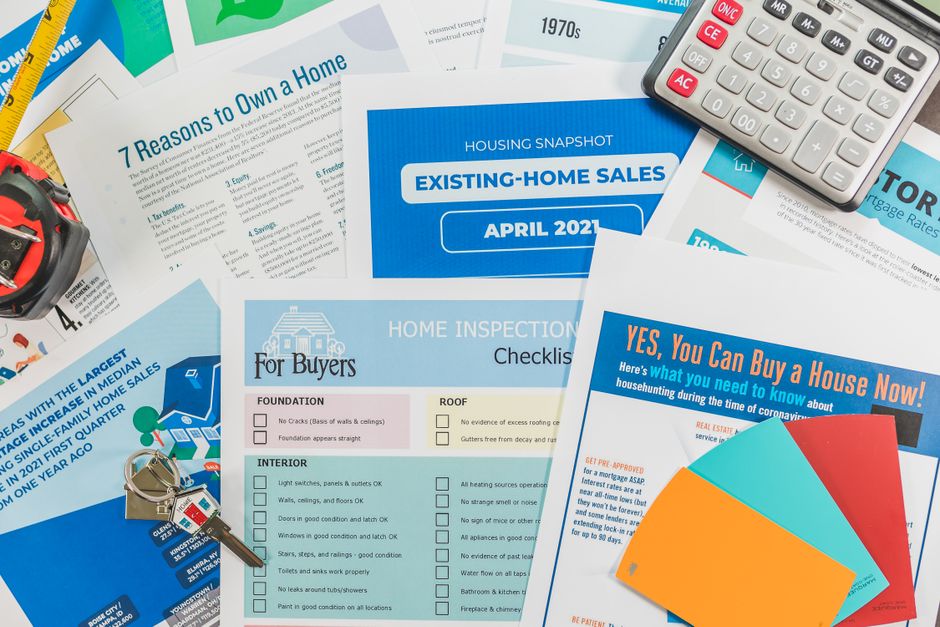
You must provide proof of identity, such as a driver’s license, state ID, or birth certificate, for all members of your household. Social Security Numbers for every household member applying for benefits are also required. Additionally, non-citizens must present proof of their legal immigration status, such as a green card or visa documentation.
Verification of income is critical, requiring recent pay stubs, tax returns, or benefit award letters from Social Security or unemployment. You should also present proof of household expenses, including lease agreements, utility bills, and receipts for childcare or child support payments. These expenses are used to calculate your net income and determine your final monthly benefit amount.
Benefit Amounts & Duration
The amount of SNAP benefits a household receives is calculated using the Thrifty Food Plan, which estimates the cost of a basic, nutritious diet. The maximum monthly allotment is determined by household size, assuming the household has zero net income. For example, the maximum benefit for a single individual is $291 per month, while a family of four can receive up to $973 per month.
For households with income, the state calculates the benefit by subtracting 30% of the household’s net income from the maximum allotment. This formula assumes that a family should spend roughly 30% of their own net resources on food. Consequently, your actual monthly benefit amount may be lower than the maximum standard allotment.
Once approved, benefits are issued monthly according to a specific schedule set by your state. If you are wondering will georgia get food stamps in november, you can check the state’s distribution calendar, which assigns payment dates based on the last digit of your client ID. Your certification period, which is the timeframe you are approved to receive benefits, typically lasts between 6 and 12 months before renewal is required.
Common Questions & Mistakes
One common mistake shoppers make at Whole Foods is attempting to buy prepared hot items from the buffet or rotisserie section. While you can buy cold prepared foods, such as cold sandwiches or salads from the grab-and-go case, hot foods will be rejected by the register. If you have a mix of eligible and ineligible items, the register will require a second payment method for the balance.
Another area of confusion involves shopping online for Whole Foods products. Whole Foods is owned by Amazon, which allows customers to use EBT cards for online grocery delivery and pickup orders in select regions. However, you cannot use SNAP benefits to pay for delivery fees, service fees, or tips, meaning you must link a secondary credit or debit card to your Amazon account.
It is also important to understand how state borders affect your benefits. If you move or travel, you can generally use your EBT card at any authorized SNAP retailer nationwide, including Whole Foods locations in other states. For instance, if you receive food stamps louisiana issues, you can still use that card at a Whole Foods store in Texas or Colorado during a trip.

Related Programs
In addition to SNAP, several other government assistance programs help low-income families secure nutritious meals. The Special Supplemental Nutrition Program for Women, Infants, and Children (WIC) is a prominent program targeting pregnant women, new mothers, and young children. Unlike SNAP, WIC has highly specific brand and product requirements, and Whole Foods is generally not an authorized WIC retailer in most states.
Another related resource is the Temporary Assistance for Needy Families (TANF) program, which provides cash assistance to vulnerable families. TANF benefits are often loaded onto the same EBT card as SNAP benefits, but they can be used to purchase non-food items. If you have TANF funds on your card, you can use them at Whole Foods to pay for items like soap, diapers, or paper towels.
Seniors and low-income individuals may also qualify for the Emergency Food Assistance Program (TEFAP) or local food pantry networks. Many states also participate in the “Double Up Food Bucks” program, which matches SNAP dollars spent on locally grown fresh produce. While this matching program is common at farmers’ markets, some select grocery stores also participate, so check with your local Whole Foods to see if they offer this incentive.
FAQ
Does Whole Foods accept EBT online for delivery?
Yes, Whole Foods accepts EBT online when you shop through Amazon’s online platform. You must add your EBT card to your Amazon account wallet to pay for eligible grocery items. Note that delivery fees, tips, and non-eligible items must be paid using a standard credit, debit, or gift card.
Can I buy organic food with SNAP at Whole Foods?
Yes, SNAP benefits can be used to buy any eligible food item, regardless of whether it is organic, conventional, local, or imported. Whole Foods does not place restrictions on the brand or quality of the food you purchase with your EBT card. This allows you to select organic vegetables, grass-fed meats, and specialty grains.
What happens if I try to buy hot food with my EBT card?
If you attempt to purchase hot prepared foods at the register, the point-of-sale system will automatically identify those items as ineligible. The cost of the hot items will not be deducted from your EBT balance. You will be asked to pay for those specific items using cash, credit, or a debit card, or return them.
Can I use my EBT card at the Whole Foods self-checkout?
Yes, Whole Foods self-checkout kiosks are fully equipped to process EBT card payments. When you are ready to pay, select the “EBT” or “Debit” option on the screen, swipe your card, and enter your secure PIN. The machine will apply your SNAP benefits to all eligible items in your cart.
Are EBT cards from other states accepted at Whole Foods?
Yes, because SNAP is a federal program, your EBT card is accepted at any authorized retailer in the United States. If you are traveling or have recently moved, your card will function at any Whole Foods location nationwide. However, you must update your address with your state agency if you move permanently.
