
Phone Number for Food Stamps in KY: Contact and Application Guide
Kentucky SNAP (Food Stamps) Overview
The Supplemental Nutrition Assistance Program (SNAP), formerly known as food stamps, is a federal program designed to help low-income individuals and families purchase healthy food. In the Commonwealth of Kentucky, SNAP is administered by the Cabinet for Health and Family Services (CHFS) through the Department for Community Based Services (DCBS). This program plays a vital role in reducing food insecurity and supporting the local economy across all 120 Kentucky counties.
If you need to apply for benefits, report changes, or ask questions about an active case, you must contact the state agency directly. The primary toll-free phone number for food stamps in ky is 1-855-306-8959. This central helpline, known as the DCBS Family Support customer service line, connects callers with representatives who can assist with SNAP applications, case updates, and technical support.
Navigating public assistance programs can sometimes feel overwhelming due to the specific rules and documentation required. Understanding how the program works in Kentucky, what information you need to provide, and how to contact the right department will help streamline your application process. This comprehensive guide outlines everything you need to know to successfully access and maintain your SNAP benefits in Kentucky.

It is helpful to know that Kentucky utilizes an integrated system called kynect, which serves as a one-stop portal for health coverage, food assistance, and other social services. By using the kynect portal or calling the dedicated state helpline, residents can manage their benefits without having to visit a physical office in person. Let us explore the eligibility guidelines to see if you qualify for this nutritional support program.
Eligibility Requirements
To receive SNAP benefits in Kentucky, households must meet specific financial and non-financial eligibility criteria established by federal and state regulations. These rules ensure that assistance is directed to individuals and families who most need help purchasing food. The state evaluates your household size, income, expenses, and residency status during the application review process.
Income Limits
Income is the primary factor used to determine eligibility for SNAP benefits in Kentucky. Households must meet both gross and net income limits, unless all members are receiving other public assistance benefits like Supplemental Security Income (SSI) or Temporary Assistance for Needy Families (TANF). Gross income refers to a household’s total, non-excluded income before any deductions are made, while net income is the amount remaining after allowable deductions are subtracted.
Kentucky uses a gross income limit of 130% of the Federal Poverty Level (FPL) for most households. For a single individual, the monthly gross income limit is approximately $1,580, while for a household of four, the limit is around $3,250. These income thresholds are adjusted annually by the federal government at the start of each federal fiscal year on October 1st. If you are comparing regional guidelines, you may find that the income criteria are similar to neighbor states, such as the rules for indiana food stamps.
Deductions play a critical role in determining your net income eligibility and final benefit amount. Allowable deductions include a standard deduction based on household size, a 20% deduction from earned income, dependent care costs, child support payments, and excess shelter costs. Additionally, households containing elderly members (age 60 or older) or individuals with verified disabilities can deduct out-of-pocket medical expenses that exceed $35 per month.
Age and Residency
To qualify for Kentucky SNAP, applicants must be current residents of the state of Kentucky. You must provide proof of residency, such as a lease agreement, utility bill, or a statement from a landlord, though homeless individuals are exempt from having a permanent address. Non-citizens must have a qualified legal immigration status to be eligible, though eligible children can receive benefits even if their parents do not qualify.
Age also influences eligibility rules and work requirements within the SNAP framework. Able-Bodied Adults Without Dependents (ABAWDs) aged 18 through 54 are subject to specific work requirements to receive benefits for more than three months in a three-year period. These individuals must work or participate in an approved work program for at least 80 hours per month, unless they qualify for an exemption due to physical or mental limitations, pregnancy, or household caregiving responsibilities.
Elderly individuals (60 and older) and disabled residents are exempt from ABAWD work requirements and enjoy simplified application procedures. For example, asset limits do not apply to most Kentucky households unless a member has been disqualified for an intentional program violation. However, for households containing an elderly or disabled member, the asset limit is set higher if their gross income exceeds the standard threshold, allowing them to retain savings while receiving nutritional support.
How to Apply (Step-by-Step)
Applying for SNAP in Kentucky is designed to be accessible through multiple channels, allowing you to choose the method that best fits your needs. You can complete the process online, over the phone, by mail, or in person at a local office. Below is a detailed, step-by-step guide on how to navigate the application process from start to finish.
Step 1: Choose Your Application Method
You can submit your application online through the official kynect portal (kynect.ky.gov), which is the fastest and most convenient method. If you prefer to apply by phone, you can call the official phone number for food stamps in ky at 1-855-306-8959 to speak with a caseworker who will fill out the application for you. Alternatively, you can download a paper application from the CHFS website, print it, and return it by mail or fax to your local DCBS office.
Step 2: Complete and Submit the Application
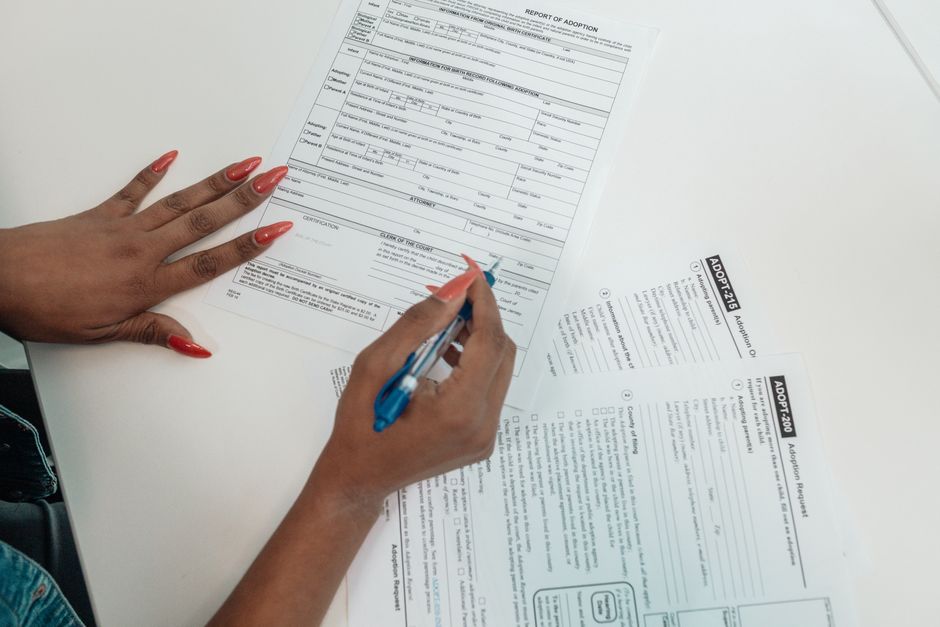
Fill out the application completely, providing accurate details about everyone living in your household, your monthly income, resources, and expenses. Be sure to sign the application, as unsigned documents cannot be processed. Submitting the application as soon as possible establishes your “filing date,” which is the date the state uses to calculate your prorated benefits for the first month if you are approved.
Step 3: Complete the Eligibility Interview
After submitting your application, a DCBS caseworker will contact you to conduct an eligibility interview. This interview is typically conducted over the phone, though you can request an in-person interview if needed. The worker will review the information on your application, ask clarifying questions, and explain what verification documents you must submit to finalize your case.
Step 4: Submit Required Verification Documents
You must provide proof of the information you provided during your interview, such as pay stubs, identification, and utility bills. You will be given a deadline, usually 10 days, to submit these documents to the agency. You can upload these documents directly to your kynect account, mail them, or drop them off at your local DCBS office. Failure to submit these documents on time is the most common reason applications are denied.
Step 5: Receive Your Decision and EBT Card
Kentucky DCBS has up to 30 days from your filing date to process your application and make a decision. If you qualify for expedited benefits because you have little to no income, you may receive your benefits within seven days. Once approved, you will receive a Kentucky Cardinal Card, which is an Electronic Benefit Transfer (EBT) card, in the mail along with instructions on how to set up your PIN.
It is interesting to note how application systems vary across state lines. While Kentucky uses the kynect portal, neighboring states utilize different platforms, such as the system for food stamps louisiana. Understanding these regional differences is helpful if you move, especially if you transition to the louisiana snap food stamp program or another state system.
Required Documents
To verify the details of your SNAP application, the Kentucky Cabinet for Health and Family Services requires specific documentation. Providing these documents promptly prevents processing delays and ensures you receive the correct benefit amount. It is recommended to gather these papers before starting your application or calling the state helpline.
Here is a list of the most common documents you will need to provide during the SNAP application process:
- Identity Verification: A driver’s license, state ID card, passport, or birth certificate for the head of household.
- Social Security Numbers: Social Security cards or proof of application for SSNs for all household members.
- Proof of Residency: A lease agreement, utility bill, mortgage statement, or a written letter from a landlord verifying your address.
- Proof of Earned Income: Pay stubs for the last 30 consecutive days, or a signed statement from your employer detailing your hours and wages.
- Proof of Unearned Income: Award letters for Social Security, SSI, veterans’ benefits, unemployment compensation, child support, or pension statements.
- Utility Expenses: Copies of recent bills for heating, cooling, electricity, water, sewer, or trash removal.
- Shelter Costs: Mortgage statements, rent receipts, property tax bills, or home insurance policies.
- Medical Expenses: Receipts or bills for medical services, prescriptions, and health insurance premiums (only applicable for elderly or disabled members).
Once you gather these items, you can upload them through the kynect mobile app or the kynect website for rapid processing. If you do not have internet access, you can mail copies of these documents to the Centralized Mail Center or drop them off in the secure drop box at your local county DCBS office. Never mail original documents, as they cannot be returned to you.
Benefit Amounts and Duration
The amount of SNAP benefits a household receives in Kentucky depends on the size of the household and its net monthly income. The federal government establishes the maximum monthly allotment for each household size. The actual benefit amount is calculated by taking the maximum allotment for your household size and subtracting 30% of your household’s net monthly income, as SNAP households are expected to spend 30% of their net income on food.
The table below displays the maximum monthly SNAP allotments for households in Kentucky, based on standard federal guidelines:
| Household Size | Maximum Monthly Allotment |
|---|---|
| 1 Person | $291 |
| 2 People | $535 |
| 3 People | $766 |
| 4 People | $973 |
| 5 People | $1,155 |
| 6 People | $1,386 |
| 7 People | $1,532 |
| 8 People | $1,751 |
For each additional household member beyond eight, the program adds an additional amount of approximately $219 to the maximum monthly allotment. Keep in mind that these maximum limits are adjusted annually to account for inflation and changes in the cost of living. Your actual monthly benefit may be lower than the maximum if your household has reportable net income.
Once approved, your benefits are deposited monthly onto your Kentucky Cardinal EBT card. The distribution schedule in Kentucky is spread out over the first 19 calendar days of each month, based on the last digit of the head of household’s Social Security Number. For example, if your SSN ends in 0, your benefits are available on the 1st of the month, while an SSN ending in 9 receives benefits on the 19th.

The duration of your benefits, known as the certification period, varies depending on your household circumstances. Most households are certified for 12 months, during which they must report any significant changes in income or household size. Households consisting entirely of elderly or disabled members with no earned income may be certified for up to 24 months, requiring fewer updates to maintain their food assistance.
Benefit distribution timelines are specific to each state’s administrative plans. For instance, residents in neighboring areas might ask will georgia get food stamps in november to track their state’s schedule, but Kentucky recipients must always follow the Kentucky DCBS schedule. Always check your kynect account or call the customer service line to verify your specific issuance date.
Common Questions and Mistakes
One of the most common mistakes applicants make is failing to report changes in income, household size, or address within the required timeframe. In Kentucky, you must report when your household’s total gross income exceeds 130% of the poverty level for your household size. Failing to report these changes can lead to an overpayment, meaning you will have to pay back the value of the excess benefits you received.
Another frequent issue is missing the recertification deadline at the end of your certification period. DCBS will send you a notice in the mail or via your kynect account when it is time to renew your benefits. If you do not complete the renewal application and submit the required verifications before the deadline, your benefits will stop, and you will have to file a brand-new application.
Many eligible individuals hesitate to apply for food assistance due to social stigma or misconceptions about who qualifies. However, public assistance is designed to serve as a temporary safety net during challenging financial times. Many public figures and financial experts have discussed the role of public support, including the popular dave ramsey food stamps story, which emphasizes using available resources to rebuild financial stability.
Additionally, applicants often make errors when entering their utility costs or shelter expenses on the application form. Make sure to claim the Standard Utility Allowance (SUA) if you pay heating or cooling costs separate from your rent, as this deduction can significantly increase your monthly SNAP allotment. If you are unsure how to calculate these expenses, a caseworker can assist you during your phone interview.
Related Programs
If you qualify for SNAP in Kentucky, you may also be eligible for other supportive programs administered by the Cabinet for Health and Family Services. For example, the Special Supplemental Nutrition Program for Women, Infants, and Children (WIC) provides nutrition education and healthy foods to pregnant women, new mothers, and children under the age of five. WIC operates independently of SNAP, meaning you can receive benefits from both programs simultaneously.
Another related resource is the Low-Income Home Energy Assistance Program (LIHEAP), which helps qualifying households pay their heating and cooling bills. LIHEAP is administered locally by Community Action Agencies across Kentucky, and eligibility is often aligned with SNAP income limits. Receiving LIHEAP benefits can also positively impact your SNAP calculation by qualifying you for the highest utility deduction.
Furthermore, SNAP participants are automatically eligible for the Emergency Food Assistance Program (TEFAP) and the Commodity Supplemental Food Program (CSFP) for seniors. Children in households receiving SNAP benefits also qualify for free school breakfast and lunch programs through their local school districts. These interconnected programs work together to ensure that low-income families have access to adequate nutrition, energy assistance, and healthcare options.
FAQ
What is the phone number for food stamps in KY?
The official phone number for food stamps in ky is 1-855-306-8959. This toll-free number connects you directly to the Department for Community Based Services (DCBS) Family Support customer service line, where you can apply for benefits, check your case status, or report changes.
How do I check the balance on my Kentucky EBT card?
You can check your Kentucky Cardinal EBT card balance by calling the customer service number printed on the back of your card, which is 1-888-979-9949. You can also view your balance online by logging into your account on the kynect portal or by downloading the official kynect mobile application.
Can I apply for Kentucky SNAP online?
Yes, the fastest way to apply for SNAP in Kentucky is online through the kynect portal at kynect.ky.gov. This secure website allows you to submit your application, upload required verification documents, track the status of your case, and complete your annual recertification online.
What can I buy with SNAP benefits in Kentucky?
You can use your SNAP benefits to buy food items intended for human consumption, including breads, cereals, fruits, vegetables, meats, fish, poultry, dairy products, and seeds or plants to grow food. You cannot use SNAP to purchase hot, prepared foods, alcohol, tobacco, pet food, medicines, or household supplies.
How long does it take to get approved for SNAP in Kentucky?
Standard SNAP applications in Kentucky are processed within 30 days of the submission date. If your household has extremely low income and resources (such as less than $150 in monthly gross income and liquid assets under $100), you may qualify for expedited service, which requires processing within 7 days.
What should I do if my SNAP application is denied?
If your application is denied, you will receive a written notice explaining the reason for the decision. If you disagree with the decision, you have the right to appeal and request a fair hearing. You must request this hearing within 90 days of the date on the denial notice by calling DCBS or submitting a written request.
