
When Do Food Stamps Come In? Monthly SNAP EBT Deposit Schedules
Food stamps (SNAP benefits) are distributed monthly onto Electronic Benefit Transfer (EBT) cards, with the exact date depending on the state you live in, your last name, case number, or Social Security number. Most states issue benefits on a recurring schedule during a specific window of days each month, regardless of whether the date falls on a weekend or a holiday. To determine exactly when do food stamps come in for your household, you must look at your state’s specific distribution calendar and matching identifier.
The Supplemental Nutrition Assistance Program (SNAP) is a federal initiative designed to help low-income individuals and families purchase nutritious food. While the program is funded by the federal government through the United States Department of Agriculture (USDA), it is administered by state and local agencies. This decentralized management is why the timing, application processes, and exact distribution dates vary significantly across the country.
Understanding the timing of your benefits is crucial for household budgeting and food security. In this comprehensive guide, we will break down state-by-state schedules, eligibility requirements, step-by-step application instructions, and common questions regarding your SNAP account.

SNAP/Food Stamps Overview
The Supplemental Nutrition Assistance Program, formerly known as the Food Stamp Program, provides monthly benefits to eligible low-income households. Today, benefits are no longer distributed via paper coupons; instead, they are loaded onto a plastic debit card known as an Electronic Benefit Transfer (EBT) card. This card can be used at authorized retail food stores, supermarkets, and participating online retailers to purchase eligible food items.
Because the program is run at the state level, the question of when do food stamps come in depends entirely on local state rules. For example, if you receive indiana food stamps, your benefits are distributed over a 19-day window from the 5th to the 23rd of the month, based on the first letter of your last name. Conversely, the louisiana snap food stamp program distributes benefits between the 1st and the 14th of each month, determined by the last digit of the recipient’s Social Security number.
Once the funds are deposited into your EBT account, they are immediately available for use. The funds remain on the card from month to month, meaning you do not have to spend your entire balance before the next deposit arrives. However, active usage is required to prevent the benefits from being expunged after a set period of inactivity, which is typically nine months.
Eligibility Requirements
To qualify for SNAP benefits, applicants must meet specific financial and non-financial criteria established by federal and state regulations. These rules ensure that assistance is directed to individuals and families who demonstrate the greatest financial need.
Income Limits
Income limits are the primary determining factor for SNAP eligibility, and they are updated annually at the start of the federal fiscal year. Most households must meet both a gross and a net income test, though households with elderly or disabled members are only subject to the net income test.
- Gross Income Limit: A household’s total, non-excluded monthly income before any deductions are applied must be at or below 130% of the Federal Poverty Level (FPL).
- Net Income Limit: A household’s income after allowable deductions are subtracted must be at or below 100% of the Federal Poverty Level.
- Asset Limits: Some states enforce a resource limit, restricting countable assets like bank accounts to $2,750, or $4,250 if at least one member is elderly or disabled. However, many states have opted to eliminate asset tests through broad-based categorical eligibility.
Age/Residency
Applicants must apply for SNAP in the state where they currently reside. There is no minimum age to apply for benefits, meaning independent minors can apply, though individuals living in institutional settings are generally ineligible.
Able-Bodied Adults Without Dependents (ABAWDs) aged 18 through 54 face additional work requirements to maintain eligibility. ABAWDs are limited to receiving SNAP for only three months in a three-year period unless they work or participate in a work program for at least 80 hours per month. Exceptions apply to those who are pregnant, mentally or physically unfit for work, or residing with a minor child.
How to Apply (Step-by-Step)
Applying for SNAP benefits requires navigating your state’s administrative system. Follow these general steps to submit your application and secure your monthly benefits:
- Locate Your State Agency: Visit the official USDA Food and Nutrition Service website to find the link to your state’s online application portal or local county office.
- Complete the Application: Fill out the application form online, in person, or by mailing a paper form. You will need to provide detailed information about your household size, income, expenses, and assets. If you live in Louisiana, you can apply directly through the state’s portal to access food stamps louisiana.
- Submit Verification Documents: Upload or mail copies of the required documents to verify the information on your application. Doing this quickly prevents delays in processing.
- Complete the Interview: Most states require an interview with a caseworker, which is typically conducted over the telephone. The caseworker will review your application, ask clarifying questions, and inform you of any additional documents needed.
- Receive Your Determination: Your state agency must process your application and send you a decision letter within 30 days of submission. If approved, you will receive your EBT card in the mail along with instructions on how to set up your PIN.
Required Documents
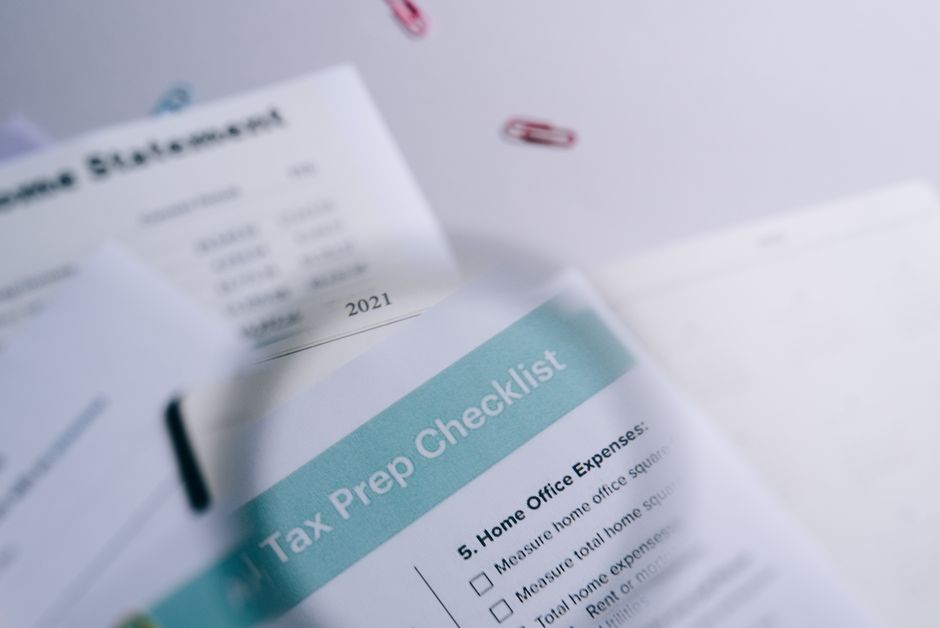
To verify your eligibility, state agencies require official documentation to support the claims made in your application. Failing to provide these documents promptly is the most common reason for application delays or denials.
You should gather proof of identity, such as a driver’s license, state ID card, or birth certificate, for all members of your household. Social Security Numbers (SSNs) must also be provided for every household member applying for benefits, as the state will verify these numbers with the Social Security Administration.
Proof of income is critical and must include recent pay stubs for the last 30 days, benefit letters from Social Security or unemployment, or tax records if you are self-employed. Additionally, you should provide proof of household expenses, such as lease agreements, utility bills, child care receipts, and medical bills for elderly or disabled household members, as these expenses can serve as deductions to lower your net income and increase your monthly benefit amount.
Benefit Amounts & Duration
The amount of SNAP benefits a household receives is calculated using the Thrifty Food Plan, which estimates the cost of a budget-friendly, nutritious diet. The calculation assumes that a household will spend 30% of its net monthly income on food, with SNAP covering the remaining amount up to the maximum limit.
For a household of one in the continental United States, the maximum monthly benefit is $291, while a household of four can receive up to $973. The actual benefit amount is calculated by multiplying the household’s net monthly income by 0.3 and subtracting that figure from the maximum allotment for the household size. If your calculated net income is zero, you will receive the maximum allotment.
Once approved, your certification period determines how long you will receive benefits before needing to reapply. Certification periods typically last between six and 12 months for standard households, but can extend to 24 months for households consisting entirely of elderly or disabled members. During this time, you must report any major changes in income or household composition that exceed the reporting threshold.
People often wonder about temporary adjustments or holiday schedules, asking questions like will georgia get food stamps in november early due to Thanksgiving. Generally, states stick to their standard schedules, but minor adjustments may occur if a holiday disrupts the banking systems that process EBT transfers.
Common Questions & Mistakes
Many SNAP participants encounter issues because they do not fully understand the rules regarding benefit usage and reporting requirements. One common mistake is failing to report changes in income that push the household above the gross income limit, which can result in an overpayment that the state will require you to pay back.
Another frequent issue is missing the recertification deadline. Toward the end of your certification period, the state will send a renewal packet that must be completed and returned, often accompanied by a new interview, to prevent a lapse in your benefits.
Finally, recipients must be aware of what items are eligible for purchase. SNAP benefits can only be used to buy food items intended for preparation at home, as well as seeds and plants to grow food. They cannot be used to purchase hot, prepared foods, alcohol, tobacco, pet food, vitamins, medicines, or household supplies like soap and paper products.
The public perception and policy debates surrounding government assistance are frequently highlighted in media discussions, such as the dave ramsey food stamps story, which explores personal responsibility, budgeting, and the role of safety net programs in modern society. Understanding the technical rules of the program helps recipients navigate these systems effectively while maintaining financial stability.

Related Programs
If you qualify for SNAP, you may also be eligible for other federal and state assistance programs designed to support low-income households. Combining these resources can help you manage your household budget more effectively.
The Special Supplemental Nutrition Program for Women, Infants, and Children (WIC) provides federal grants to states for supplemental foods, health care referrals, and nutrition education for low-income pregnant, breastfeeding, and non-breastfeeding postpartum women, as well as infants and children up to age five. Unlike SNAP, WIC benefits are highly specific and target critical developmental nutritional needs.
Other related programs include the National School Lunch Program (NSLP), which provides free or reduced-price meals to eligible children at school, and the Low-Income Home Energy Assistance Program (LIHEAP), which helps families manage their home heating and cooling bills. Additionally, the Temporary Assistance for Needy Families (TANF) program provides cash assistance to help families with basic needs like housing, utilities, and clothing.
FAQ
Do food stamps roll over to the next month if I don’t use them?
Yes, any unused SNAP benefits will automatically roll over to the next month on your EBT card. You do not lose your benefits at the end of the month, but if you do not use your card at all for nine consecutive months, the state may remove the unused benefits from your account.
What happens if my scheduled EBT deposit date falls on a weekend or holiday?
In most states, EBT deposits are automated and will post to your card on the scheduled date, even if that date falls on a Saturday, Sunday, or federal holiday. However, it is always wise to check your balance via your state’s EBT portal or customer service line if you notice a delay.
Can I use my SNAP EBT card in a different state?
Yes, SNAP is a federal program, and your EBT card is accepted at authorized SNAP retailers in all 50 states, as well as the District of Columbia, Guam, and the U.S. Virgin Islands. If you move permanently to a new state, you must close your case in your old state and reapply in your new state of residence.
How can I check my EBT card balance?
You can check your EBT card balance by calling the toll-free customer service number printed on the back of your card. Many states also offer online portals or mobile applications where you can log in to view your transaction history and current balance.
Why did my monthly food stamp amount change?
Your benefit amount can change due to annual adjustments in the federal poverty guidelines, changes in your household income, or modifications to your household size or housing expenses. If your benefits decrease, your state agency will send you a notice explaining the reason for the adjustment and detailing your right to appeal the decision.
