
Can You Buy Dog Food with Food Stamps? SNAP Benefits & Pet Care Guide
No, you cannot buy dog food with food stamps. The Supplemental Nutrition Assistance Program (SNAP), formerly known as food stamps, is a federal program designed strictly to provide nutrition assistance to low-income human beings. Because pet food is classified as non-human food, federal regulations strictly prohibit using SNAP EBT cards to purchase it.
This rule can be incredibly challenging for families facing financial hardship who view their pets as vital members of their household. If you are currently struggling to make ends meet, you are likely asking: can you buy dog food with food stamps through any loophole or alternative program? While the direct answer remains no for SNAP, there are several alternative resources and strategies you can use to keep your beloved canine companion well-fed and healthy.
Understanding the details of these regulations can help you navigate the system more effectively. In this guide, we will explore why these rules exist, how you can find alternative assistance, and how to manage your dog’s needs on a tight budget.
Breed/Species Overview
Dogs have transitioned from working animals to cherished family members in millions of households across the United States. This deep human-canine bond means that when a family experiences financial instability, the well-being of their dog becomes a primary concern. The question of whether can you buy dog food with food stamps arises because pets are deeply integrated into our daily lives and emotional health.

From a biological standpoint, dogs are domesticated carnivores that rely entirely on humans for their nutritional survival. Unlike wild canids, domestic dogs cannot hunt for their own meals in an urban or suburban environment. This absolute dependency makes it crucial for owners to secure reliable food sources, even when facing extreme economic distress.
Because dogs are not classified as agricultural livestock or human dependents, they occupy a unique legal gray area. They are recognized as property under the law, which is why government food assistance programs do not extend benefits to cover their care. Recognizing this distinction is the first step in finding alternative community support networks.
Key Characteristics
To understand why the answer to “can you buy dog food with food stamps” is negative, it helps to look at the key characteristics of federal assistance programs. The United States Department of Agriculture (USDA) administers SNAP with very specific criteria regarding what qualifies as eligible food. The program is designed solely to promote the health and well-being of low-income human populations by ensuring access to nutritious food.
These regulations are strictly enforced at the point of sale in grocery stores and authorized retailers. Modern point-of-sale systems automatically categorize items based on their barcodes, instantly blocking ineligible products during checkout. Understanding the rigid nature of these systems can save you embarrassment and frustration at the register.
While SNAP is highly restrictive, other cash assistance programs offer more flexibility. For instance, the Temporary Assistance for Needy Families (TANF) program provides cash benefits that can legally be used to purchase pet supplies. Knowing the differences between these programs is essential for maximizing your available resources.
Temperament
The “temperament” of government assistance programs can be described as highly rigid and rule-bound. These regulations are established by federal legislation and are rarely subject to local discretion or cashier leniency. When pet owners wonder can you buy dog food with food stamps, they often run into the unyielding nature of these USDA guidelines.
This rigidity is meant to prevent fraud and ensure that funds are used for their legislated purpose. However, it often leaves pet owners feeling isolated and stressed when money is tight. Fortunately, the temperament of local community organizations is often much more compassionate and flexible than federal agencies.
Local humane societies, food banks, and animal shelters understand the emotional bond you share with your pet. They actively work to fill the gaps left by federal programs like SNAP. Reaching out to these community-based organizations is often the best way to find immediate, empathetic assistance.
Physical Traits
When examining the physical traits of items you can buy with SNAP, they must be items intended for human consumption. This includes bread, cereals, fruits, vegetables, meats, fish, poultry, and dairy products. It also includes seeds and plants that produce food for the household to eat.
In contrast, the physical traits of ineligible items include pet food, pet treats, medicines, hygiene products, and household supplies. Even if a product is labeled as “human-grade” dog food, it is still classified under pet supplies and will be rejected by EBT systems. The system relies entirely on the product’s commercial classification rather than its ingredients.
This means that even if you find dog food made with USDA-inspected chicken and brown rice, you still cannot purchase it. However, you can buy raw ingredients like plain rice, sweet potatoes, or cheap cuts of meat using SNAP benefits. We will discuss how to safely utilize these ingredients later in this guide.
Care Requirements
Caring for a dog during a financial crisis requires creativity, resourcefulness, and a clear understanding of basic canine needs. When you realize that you cannot buy dog food with food stamps, you must look for alternative ways to meet their care requirements. Proper care involves balancing nutrition, physical health, and mental stimulation without breaking the bank.
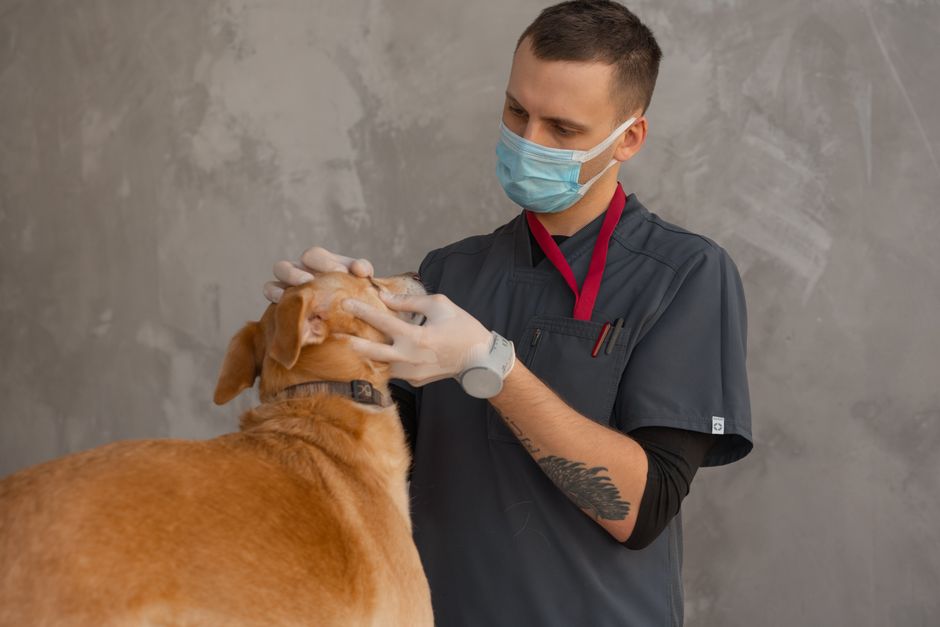
Many pet owners make the mistake of assuming that expensive commercial products are the only way to keep a dog healthy. In reality, dogs can thrive on simple, budget-friendly diets and free outdoor activities. The key is to focus on the essential requirements of canine health rather than premium brand marketing.
By prioritizing essential care, you can prevent expensive veterinary bills down the road. Regular exercise, basic hygiene, and a stable diet are the pillars of preventative care. Let’s look closer at how to manage these requirements when resources are limited.
Diet & Nutrition
When addressing diet and nutrition, you might ask: can you buy dog food with food stamps if you purchase ingredients to make homemade food? Technically, you can use SNAP benefits to buy human foods like fresh chicken, turkey, rice, pumpkins, and sweet potatoes. These ingredients can be cooked and fed to your dog as a supplement to their regular diet.
However, feeding a dog a purely homemade diet requires extreme caution to avoid nutritional deficiencies. Dogs require a precise balance of vitamins, minerals, fatty acids, and calcium that plain meat and rice cannot provide. If you choose to supplement their diet this way, consult with a veterinarian to ensure your dog is getting balanced nutrition.
A safer and more affordable option is to contact local pet food pantries or food banks. Many food banks receive donations of high-quality commercial dog food and distribute them to families in need. This ensures your dog receives a scientifically formulated diet without putting a strain on your human food budget.
Exercise Needs
Exercise is a crucial component of canine care that costs absolutely nothing. Keeping your dog physically active helps prevent obesity, joint issues, and destructive behavioral problems. A tired dog is generally a well-behaved dog, which can save you money on home repairs and training resources.
Daily walks in local parks, hiking trails, or neighborhood sidewalks are excellent ways to meet your dog’s exercise needs. You do not need expensive agility equipment or doggy daycare memberships to keep your pet fit. Simple games of fetch with a tennis ball or interactive play sessions at home are highly effective.
Regular exercise also strengthens the bond between you and your pet, providing mutual mental health benefits during stressful times. It encourages socialization and keeps your dog mentally stimulated. Prioritizing free outdoor activities is an easy way to maintain your dog’s physical health on a budget.
Common Health Issues & Lifespan
Financial stress can indirectly impact a dog’s lifespan if owners are forced to neglect their health requirements. When pet owners struggle with the question of can you buy dog food with food stamps, they may resort to feeding their pets inappropriate foods. Feeding dogs human junk food, highly seasoned leftovers, or scraps can lead to severe health complications.
Common health issues arising from poor nutrition include pancreatitis, obesity, diabetes, and gastrointestinal distress. Pancreatitis is a particularly dangerous and expensive condition to treat, often triggered by feeding dogs fatty human foods. Avoiding these dietary mistakes is crucial for extending your dog’s lifespan and avoiding emergency vet bills.
To help you manage potential health issues, here is a list of common toxic foods you must never feed your dog, even in an emergency:
- Onions and Garlic: These can destroy a dog’s red blood cells, leading to life-threatening anemia.
- Grapes and Raisins: Even small amounts can cause acute kidney failure in dogs.
- Chocolate and Caffeine: These contain substances that are highly toxic to a dog’s nervous and cardiovascular systems.
- Xylitol: This common sugar substitute found in peanut butter and sugar-free treats can cause rapid insulin release and liver failure.
- Macadamia Nuts: These can cause weakness, depression, vomiting, and tremors.
By keeping these toxic foods away from your pet, you protect their health and ensure they live a long, happy life. If your dog does experience a health issue, look for low-cost veterinary clinics or charities that offer financial assistance. Many veterinary schools also offer discounted services for low-income pet owners.
Training & Socialization
Training and socialization are often overlooked aspects of pet care, but they are vital for preventing costly behavioral issues. A well-behaved dog is welcome in more rental properties, reducing the risk of housing instability for your family. Furthermore, proper socialization prevents dog fights and bite incidents, which can result in expensive legal and medical liabilities.
You do not need to hire an expensive professional trainer to teach your dog basic obedience. There are thousands of free, high-quality instructional videos and articles available online written by certified dog behaviorists. Spending just fifteen minutes a day on basic commands like “sit,” “stay,” “come,” and “leave it” can make a massive difference.
Socialization can also be done for free by exposing your dog to different environments, sounds, and people. Walk your dog near busy areas, parks, or pet-friendly stores where they can observe the world calmly. A well-socialized dog is less likely to develop anxiety-based behaviors that require expensive medical interventions.
Conclusion & Final Tips
While the answer to “can you buy dog food with food stamps” is a definitive no under SNAP guidelines, you are not without options. The bond between you and your dog is invaluable, and there are many community resources designed to help you stay together. By utilizing local pet food pantries, seeking out low-cost veterinary care, and using budget-friendly care strategies, you can keep your pet healthy.
Remember to avoid feeding your dog dangerous table scraps and focus on simple, nutritious alternatives when necessary. Reach out to local shelters and humane societies, as they often have temporary assistance programs for pet food. With a little resourcefulness and community support, you can successfully navigate financial hardships while keeping your canine companion happy and healthy.
Frequently Asked Questions
Can you buy dog food with food stamps (SNAP EBT)?
No, you cannot buy dog food with food stamps. SNAP benefits are strictly limited to food items intended for human consumption, and pet supplies are excluded by federal law.
Can you use TANF benefits to buy dog food?
Yes, you can use Temporary Assistance for Needy Families (TANF) benefits to buy dog food. Unlike SNAP, TANF provides cash assistance that can be withdrawn or spent on non-food items, including pet care products.
Where can I get free dog food if I am on food stamps?
If you are on food stamps and need dog food, you can contact local animal shelters, humane societies, and food banks. Many of these organizations operate pet food pantries specifically to help low-income pet owners.
Can I buy ingredients like chicken and rice with EBT to feed my dog?
Yes, you can buy plain human foods like chicken, rice, and sweet potatoes with EBT. However, you should consult a vet before feeding your dog a homemade diet to ensure they receive proper nutrients.
Are there veterinary assistance programs for SNAP recipients?
Yes, many non-profit organizations and veterinary clinics offer discounts or grants to pet owners who receive public assistance. You can search for local veterinary charities or contact your local humane society for referrals.
