
Food Stamps MD: The Complete Guide to Maryland SNAP Benefits
Nutritional security is a cornerstone of public health and household stability. For thousands of families across Maryland, the Supplemental Nutrition Assistance Program (SNAP) serves as a critical safety net. Formerly known as food stamps, this federal program helps low-income individuals and families purchase the healthy food needed for good health. Navigating the application process and understanding the state-specific rules for food stamps md can sometimes feel overwhelming, but clear information makes the journey straightforward.
This comprehensive guide is designed by public policy analysts and benefits counselors to help you understand the Maryland SNAP program. We will break down the eligibility requirements, explain the step-by-step application process, list the necessary documentation, and discuss how benefit amounts are calculated. Whether you are applying for the first time or seeking to renew your current benefits, this guide provides the objective, factual details you need to secure your nutritional assistance.
Maryland SNAP Overview
In the state of Maryland, the Supplemental Nutrition Assistance Program is administered by the Maryland Department of Human Services (DHS). The program is designed to supplement the food budgets of eligible households, allowing them to purchase fresh produce, meats, dairy, bread, and other essential grocery items. SNAP benefits cannot be used to purchase hot, prepared foods, alcohol, tobacco, pet food, or household cleaning supplies.
Approved applicants receive their benefits monthly via an Electronic Benefit Transfer (EBT) card, known in Maryland as the Independence Card. This card works similarly to a debit card and can be used at authorized retail food stores, supermarkets, and even participating farmers’ markets across the state. The program not only helps reduce hunger but also stimulates the local economy by increasing purchasing power at local food retailers.
Maryland operates its SNAP program under federal guidelines established by the United States Department of Agriculture (USDA) Food and Nutrition Service. However, the state has implemented specific administrative policies, such as broad-based categorical eligibility, to streamline the application process and expand access to vulnerable populations. Understanding these local nuances is key to determining if your household qualifies for support.
Eligibility Requirements
To qualify for food stamps md, households must meet specific financial and non-financial eligibility criteria. Because SNAP is a household-based benefit, the income and resources of everyone who lives and prepares meals together are considered during the evaluation process. Certain exceptions apply for elderly or disabled members who may prepare meals separately.
Income Limits
Maryland utilizes Broad-Based Categorical Eligibility (BBCE), which simplifies the application process by aligning SNAP eligibility with other public assistance programs. Under Maryland’s BBCE guidelines, most households can qualify with a gross monthly income at or below 200% of the Federal Poverty Level (FPL). This is a higher threshold than the federal minimum of 130% FPL, making it easier for working families to qualify for assistance.
The table below outlines the general gross monthly income limits based on household size. These limits are updated annually by the federal government at the start of each federal fiscal year.
- Household Size of 1: Maximum gross monthly income of $2,510
- Household Size of 2: Maximum gross monthly income of $3,407
- Household Size of 3: Maximum gross monthly income of $4,303
- Household Size of 4: Maximum gross monthly income of $5,200
- Household Size of 5: Maximum gross monthly income of $6,097
- Household Size of 6: Maximum gross monthly income of $6,993
- For each additional household member, add $897 to the gross income limit.
In addition to the gross income test, households that do not meet categorical eligibility must also pass a net income test. Net income is calculated by taking the household’s gross income and subtracting allowable deductions, such as the standard deduction, earned income deductions, dependent care costs, shelter expenses, and out-of-pocket medical expenses for elderly or disabled members. The net monthly income must be at or below 100% of the Federal Poverty Level for the household to receive benefits.
Age and Residency
To receive SNAP benefits in Maryland, applicants must be residents of the state. You must apply in the state where you currently live, and you cannot receive benefits from more than one state simultaneously. There is no minimum length of time you must live in Maryland before you can apply for assistance.
U.S. citizens and certain qualified non-citizens (such as lawful permanent residents who have resided in the U.S. for at least five years, receive disability-related assistance, or are under the age of 18) are eligible to apply. If some household members are not citizens or qualified immigrants, the eligible members of the household can still apply and receive benefits, though the income of the ineligible members may still be counted toward the household total.
Special rules apply to students and able-bodied adults without dependents (ABAWDs). College students enrolled at least half-time generally cannot receive SNAP unless they meet specific exemptions, such as working at least 20 hours per week, participating in a state or federally funded work-study program, or caring for a dependent child. ABAWDs aged 18 through 54 are subject to time limits and work requirements, meaning they can only receive benefits for three months in a three-year period unless they work or participate in an approved work training program for at least 80 hours per month.
How to Apply (Step-by-Step)
Applying for food stamps md is a structured process that can be completed through several different channels. The Maryland Department of Human Services offers online, mail-in, and in-person options to accommodate the diverse needs of applicants across the state. Follow these steps to submit your application successfully.
Step 1: Access the Application. The fastest and most convenient way to apply is online through the myMDTHINK consumer portal (mymdthink.maryland.gov). If you prefer a paper application, you can download and print the Application for Assistance from the DHS website, or request that one be mailed to you by calling your local Department of Social Services (DSS) office.
Step 2: Complete the Application. Fill out the application form completely and accurately. You will need to provide detailed information about everyone living in your household, including their Social Security numbers, birthdates, citizenship status, monthly income, resources, and monthly expenses such as rent, mortgage, and utilities.
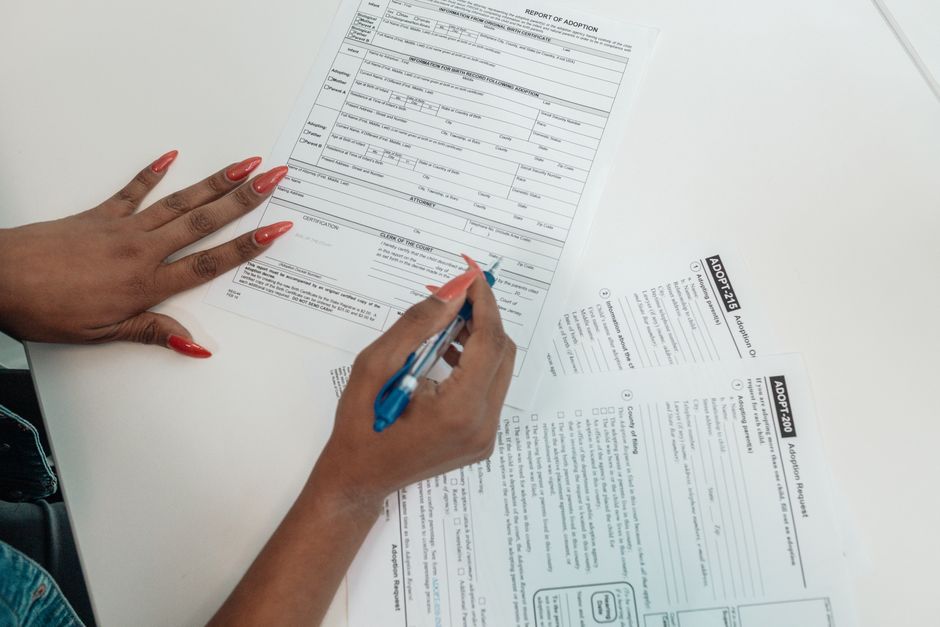
Step 3: Submit the Application and Documents. Submit your completed application online, mail it to your local DSS office, or hand-deliver it. Along with the application, you should upload or attach copies of your verification documents. Submitting these documents at the same time as your application can significantly speed up the processing time.
Step 4: Complete the Interview. After your application is received, a caseworker from your local DSS office will contact you to schedule an interview. In most cases, this interview is conducted over the telephone. During the interview, the caseworker will review the information on your application, ask clarifying questions, and inform you if any additional verification documents are required.
Step 5: Receive Your Determination. The state of Maryland has up to 30 days from the date of your application to make a determination. If you are approved, you will receive a written notice in the mail detailing your monthly benefit amount and your certification period. Your EBT Independence Card will be mailed to you, or you can pick it up at your local office, along with instructions on how to set up your PIN.
Required Documents
To process your application for food stamps md, the Department of Social Services must verify the information you provide. Failing to submit the required documentation is one of the most common reasons for delays or denials. It is highly recommended to gather these documents before you begin the application process.
The following checklist outlines the documents commonly required by caseworkers to verify eligibility:
- Proof of Identity: Government-issued photo ID, driver’s license, birth certificate, or U.S. passport.
- Social Security Numbers: Social Security cards or official documentation showing the SSN for all household members applying for benefits.
- Proof of Residency: A lease agreement, rent receipt, utility bill, or mortgage statement showing your current Maryland address.
- Proof of Income: Pay stubs for the last 30 consecutive days, tax returns for self-employed individuals, or award letters for non-earned income such as Social Security, SSI, child support, alimony, or unemployment benefits.
- Shelter and Utility Costs: Documents showing your monthly housing expenses (rent or mortgage) and utility bills (heating, cooling, electricity, water, phone).
- Medical Expenses: Out-of-pocket medical bills, prescription receipts, or insurance premiums for household members who are elderly (aged 60 or older) or receiving disability benefits.
- Child Care Expenses: Receipts or statements showing payments made for dependent care necessary for household members to work, look for work, or attend training.
Benefit Amounts & Duration
The amount of SNAP benefits a household receives is based on the maximum allotment for their household size, minus the household’s expected contribution. Under SNAP rules, a household is expected to spend approximately 30% of its net income on food. Therefore, the monthly benefit is calculated by multiplying the household’s net monthly income by 0.3 and subtracting that figure from the maximum monthly allotment for that household size.
The maximum monthly allotments are set by the federal government and are subject to annual adjustments. Below are the maximum benefit amounts for the current fiscal year:
- Household Size of 1: $292
- Household Size of 2: $536
- Household Size of 3: $768
- Household Size of 4: $973
- Household Size of 5: $1,155
- Household Size of 6: $1,386
- Household Size of 7: $1,532
- Household Size of 8: $1,751
- For each additional person, add $219.
Once approved, your benefits are certified for a specific period, known as a certification period. For most Maryland households, this period is 12 months. However, for households where all adult members are elderly or disabled and have no earned income, the certification period can be up to 24 months. During this time, you must report certain changes in your household circumstances, such as changes in income, household size, or address, within 10 days of the change. At the end of your certification period, you must complete a recertification process to continue receiving benefits.
Common Questions & Mistakes
Navigating the application process for food stamps md can lead to confusion. Many applicants make simple mistakes that result in delayed benefits or unnecessary denials. Understanding these common pitfalls can help ensure a smoother application experience.
One frequent mistake is failing to claim all eligible deductions. Many households do not realize that high shelter costs, utility expenses, and dependent care costs can lower their calculated net income, which in turn increases their monthly benefit amount. If you qualify for the Standard Utility Allowance (SUA), it can make a significant difference in your final benefit calculation. Ensure you provide documentation for all expenses during your interview.
Another common issue is misunderstanding how assets are treated. Because Maryland utilizes broad-based categorical eligibility, most households are not subject to an asset or resource limit. This means you do not have to worry about the money in your savings account or the value of your vehicle disqualifying you, as long as your gross income is within the 200% FPL limit. Compare this to midwestern states like indiana food stamps, which may apply different verification rules or asset tests depending on the household structure.
Additionally, applicants often get confused about how benefits are distributed. In Maryland, SNAP benefits are deposited onto EBT cards over the first 24 days of the month, staggered based on the first letter of the recipient’s last name. This is a consistent, predictable schedule. In contrast, residents in other regions often face uncertainty; for instance, people frequently ask will georgia get food stamps in november due to holiday scheduling shifts or administrative backlogs. Maryland’s structured system helps families plan their grocery shopping effectively each month.
It is also helpful to look at how other states handle their programs to understand the broader context of SNAP administration. For example, looking at the southern region, the rules for food stamps louisiana or the administrative processes of the louisiana snap food stamp program show how different states manage their income thresholds and work requirements. While the core goals remain the same, Maryland’s expanded income limits offer a broader safety net than many other states.
Finally, some individuals hesitate to apply due to the stigma surrounding public assistance. Understanding the history and purpose of safety net programs can provide perspective. Reading personal accounts, like the dave ramsey food stamps story, highlights how temporary assistance programs are designed to serve as a stepping stone toward financial independence, rather than a permanent lifestyle. Utilizing these benefits during times of hardship is a responsible step toward securing your family’s health and future self-sufficiency.
Related Programs
If you qualify for food stamps md, you may also be eligible for other state and federal assistance programs designed to support low-income households. Integrating these resources can provide comprehensive support for your family’s health, energy, and financial needs.
The Special Supplemental Nutrition Program for Women, Infants, and Children (WIC) provides federal grants to states for supplemental foods, health care referrals, and nutrition education for low-income pregnant, breastfeeding, and non-breastfeeding postpartum women, and to infants and children up to age five who are found to be at nutritional risk. WIC operates alongside SNAP to ensure young children receive proper nutrition during critical developmental years.
Another closely related program is the Maryland Energy Assistance Program (MEAP), which is part of the federal Low Income Home Energy Assistance Program (LIHEAP). MEAP helps low-income households pay their heating bills, minimize heating crises, and make energy costs more affordable. Receiving MEAP benefits can also positively impact your SNAP calculation, as it automatically qualifies you for the highest utility deduction, potentially increasing your monthly food stamp allotment.
Additionally, households receiving SNAP are often eligible for the Temporary Cash Assistance (TCA) program, which is Maryland’s version of the federal Temporary Assistance for Needy Families (TANF) program. TCA provides cash assistance to needy families with dependent children to help pay for basic needs like housing, utilities, and clothing while the parents look for work or participate in work training programs.
FAQ
How long does it take to get approved for food stamps in Maryland?
Standard applications are processed within 30 calendar days from the date the application is received by the local Department of Social Services. If you meet the criteria for expedited benefits—such as having less than $150 in monthly gross income and $100 or less in liquid resources—you can receive your SNAP benefits within 7 days.
Can I use my Maryland EBT card in other states?
Yes. Because SNAP is a federal program, your Maryland Independence Card can be used at any authorized retail food store or supermarket across the United States that accepts EBT. The benefits will be deducted directly from your Maryland account, and no out-of-state transaction fees will apply.
What happens if my income changes after I apply?
Maryland utilizes simplified reporting rules for most SNAP households. If your household income exceeds 130% of the Federal Poverty Level, or if there is a change in the work hours of an ABAWD in your home, you must report this change to your local DSS office within 10 days of the start of the following month. Failure to report these changes can result in an overpayment claim, which you would be required to pay back.
Can college students qualify for SNAP in Maryland?
Generally, students enrolled at least half-time in higher education are not eligible for SNAP. However, a student can qualify if they meet specific exemptions, such as working at least 20 hours per week, participating in a federal work-study program, caring for a child under the age of 6, or being enrolled in an employment and training program approved by the state.
What should I do if my application is denied?
If you believe your application was denied incorrectly, or if your benefit amount was calculated incorrectly, you have the right to appeal the decision. You can request a Fair Hearing within 90 days from the date of the decision notice. During the hearing, an administrative law judge will review your case, and you can present evidence or witnesses to support your claim.
Are seniors subject to the same asset limits as other households?
Under Maryland’s broad-based categorical eligibility, households that include an elderly member (aged 60 or older) or a disabled member are not subject to an asset limit, provided their gross income is under the 200% FPL threshold. If the household’s income exceeds this limit, they may still qualify under traditional SNAP rules, which apply a resource limit of $4,250 for households with elderly or disabled members.
Conclusion
Securing nutritional support through the Maryland SNAP program is a vital step toward maintaining household health and financial stability. By understanding the specific rules governing food stamps md, including the 200% gross income limit and the necessary documentation, you can navigate the application process with confidence. Remember to submit all verification documents promptly and prepare for your phone interview to avoid unnecessary delays.
The state of Maryland offers multiple pathways to apply, ensuring that assistance is accessible to all residents in need. If you are facing food insecurity, do not hesitate to reach out to the Maryland Department of Human Services or your local Department of Social Services office to begin your application today. Utilizing these public resources is a practical and effective way to support your family’s well-being and build a foundation for long-term stability.
