Popocatépetl and Iztaccíhuatl Tattoo: History, Meaning, and Design Guide
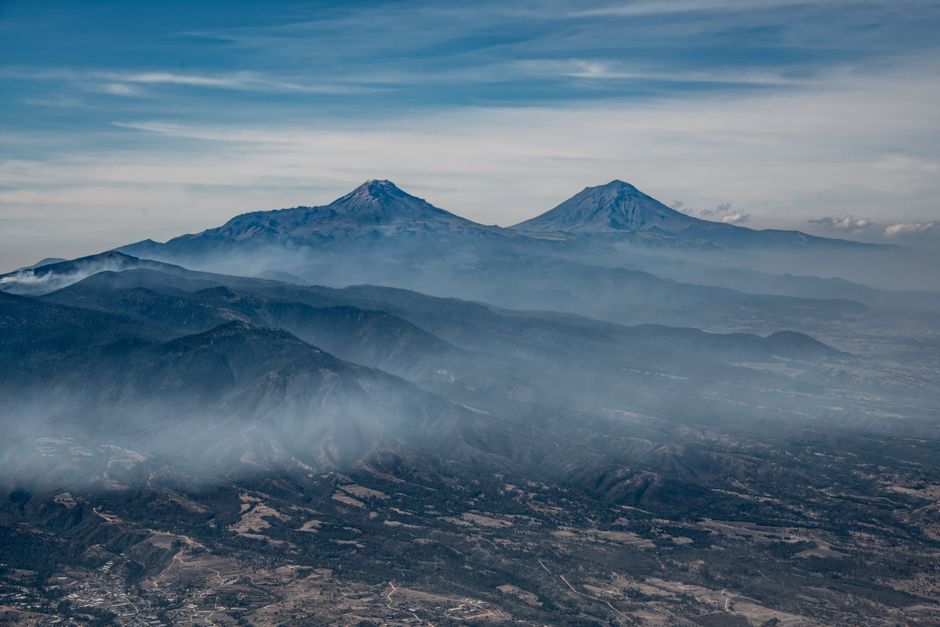
The volcanic peaks of Popocatépetl and Iztaccíhuatl rise to elevations of 5,426 meters and 5,230 meters respectively, serving as the geographic anchor for one of Mesoamerica’s most enduring tragic love stories. These active and dormant volcanoes, situated in the Trans-Mexican Volcanic Belt, dominate the skyline of the Valley of Mexico. For centuries, their striking silhouettes have inspired indigenous mythology, classical paintings, and modern body art. Selecting a popocatépetl and iztaccíhuatl tattoo allows individuals to wear a permanent symbol of Mexican heritage, indigenous pride, and eternal devotion.
Tattoo collectors choose this specific imagery to honor their ancestral roots or to represent a personal connection to the landscape of central Mexico. The visual contrast between the smoking peak of Popocatépetl and the sleeping profile of Iztaccíhuatl offers a dynamic composition for large-scale tattoo work. Understanding the history, symbolic weight, and technical requirements of this design ensures a successful collaboration with your tattoo artist.
Popocatépetl and Iztaccíhuatl Tattoo Meaning & Symbolism
The core symbolic meaning of this tattoo revolves around the concept of eternal devotion and grief. In the classical legend, the warrior Popocatépetl kneels forever next to his deceased lover, Iztaccíhuatl, holding a torch to watch over her eternal sleep. This imagery represents a commitment that survives physical death, making it a popular choice for memorial tattoos or tributes to romantic partnerships. The smoke rising from Popocatépetl symbolizes the eternal flame of passion and sorrow burning within the survivor’s heart.
Beyond personal romance, the design represents Mesoamerican cultural identity and resistance. During the Chicano Movement of the 1960s and 1970s, these volcanoes became symbols of Chicano reclamation of indigenous history. Wearing this tattoo serves as a rejection of colonization and an embrace of Nahua ancestry. The mountains represent the physical earth of Mexico, grounding the wearer to their ancestral home regardless of where they currently reside in the world.
Dualism is another major symbolic theme embedded in the volcanic landscape. Popocatépetl, the active volcano, represents fire, action, masculinity, and the sky. Iztaccíhuatl, the dormant volcano shaped like a reclining woman, represents earth, rest, femininity, and the quiet power of the land. Together, they form a balanced representation of life, death, and natural forces that aligns with the Mesoamerican concept of Ometeotl, the dual creative force of the universe.
History & Cultural Origins
The legend of the two volcanoes originates from the Nahuatl-speaking peoples of the Valley of Mexico, recorded by Spanish chroniclers and preserved through indigenous oral traditions. According to the myth, Iztaccíhuatl was a princess who fell in love with Popocatépetl, one of her father’s bravest warriors. The emperor promised Popocatépetl his daughter’s hand in marriage if he returned victorious from a war against rival tribes in the state of Oaxaca. While the warrior was away, a jealous rival sent false news of his death back to the palace, causing the princess to die of grief.
Upon his return, Popocatépetl found his beloved dead and carried her body to the mountains outside the city. He built a massive funeral pyre for her, laid her body down, and knelt beside her with a smoking torch. The gods, moved by their tragedy, transformed the lovers into the two mountains we see today. Iztaccíhuatl is known as “The Sleeping Woman” (La Mujer Dormida) due to her profile resembling a reclining female figure, while Popocatépetl remains active, occasionally spewing ash and smoke to show he is still awake and watching.
During the mid-20th century, Mexican artist Jesús Helguera popularized this legend through calendar art, painting idealized, romanticized versions of the Aztec warrior and princess. Helguera’s paintings, such as “La Leyenda de los Volcanes,” became iconic images in Mexican households across Mexico and the United States. Most realistic tattoos of this subject matter are direct adaptations of Helguera’s classical illustrations rather than historical pre-Columbian codices. This artistic lineage connects the modern tattoo directly to the mid-century Mexican-American cultural renaissance.
Popular Design Variations
Tattoo artists adapt the legend of the volcanoes into several distinct visual styles to suit different aesthetic preferences. The choice of style impacts how the narrative is conveyed, whether through literal figures or abstract landscapes. Collectors must decide if they want to depict the human characters of the legend, the literal geological formations, or a combination of both elements.
Minimalist
Minimalist interpretations focus on the distinct geographic outlines of the two mountain peaks. Using a fine-line technique with a 3 Round Liner (3RL) needle, artists create the simple silhouette of Iztaccíhuatl’s reclining body alongside the triangular peak of Popocatépetl. These designs often omit shading entirely, relying on clean, unbroken black lines to suggest the landscape. Some minimalist variations include small geometric accents, such as a single red sun or delicate dotwork clouds, to add depth without cluttering the composition.
Traditional
Traditional designs utilize bold outlines and saturated color palettes reminiscent of classic American traditional tattooing or Mexican folk art. These tattoos feature heavy black borders, solid whip-shading, and primary colors like deep reds, forest greens, and bright yellows. The composition often frames the volcanoes with traditional elements like marigolds (cempasúchil), nopales (prickly pear cacti), or Aztec calendar patterns. This style is highly durable, resisting fading over decades of sun exposure due to the density of the pigment application.
Realistic
Realistic tattoos translate the dramatic human element of the legend onto the skin, often replicating the detailed anatomy and emotional expressions found in Jesús Helguera’s paintings. Artists use smooth grey wash gradients, blending 20%, 40%, 60%, and 80% black ink mixtures to create soft skin tones, flowing hair, and textured stone. The composition typically features Popocatépetl kneeling over the lifeless body of Iztaccíhuatl, set against a backdrop of smoking volcanic peaks and dramatic clouds. This style requires a highly skilled portrait artist and a large canvas to capture the intricate details of the clothing, feathers, and facial expressions.
When selecting a style, the choice between color and black-and-grey significantly alters the mood of the piece. Black-and-grey realism offers a dramatic, stone-like appearance that emphasizes the tragic, eternal nature of the monument. Color versions, utilizing rich earth tones, fiery oranges, and deep teals, highlight the vibrant energy of Mesoamerican culture and the physical beauty of the Mexican landscape. Discussing these options with an experienced artist helps determine which approach best suits your skin tone and placement goals.
Best Placement & Size Guide
The physical dimensions and narrative flow of the Popocatépetl and Iztaccíhuatl motif require careful consideration of body anatomy. Large-scale compositions containing both human figures and mountain landscapes demand flat, wide surfaces to prevent distortion. The back is the premier canvas for this tattoo, offering enough surface area to depict the full scene with high levels of detail in the warrior’s headdress and the mountain textures.
For medium-sized designs, the outer thigh and upper arm (half-sleeve) provide excellent vertical canvases. A vertical layout allows the artist to place the sleeping princess at the base of the design, with the kneeling warrior and the smoking volcano rising upward toward the shoulder or hip. Symmetrical chest pieces can also work well, placing one volcano over each pectoral muscle to frame the sternum.
Minimalist silhouette designs are highly versatile and fit smaller areas such as the inner forearm, collarbone, or ribs. A simple line-art version of the peaks can be scaled down to a width of three to four inches, making it suitable for placements that can be easily concealed. Large realistic pieces, however, should not be attempted at sizes smaller than eight to ten inches, as the fine details in the faces and textures will blur together during the natural aging process of the skin.
Pain Level & What to Expect
The pain experienced during a tattooing session varies significantly depending on the chosen body placement and the duration of the appointment. Understanding the pain scale helps clients prepare mentally and physically for the tattooing process. Below is a breakdown of common placements for this design and their associated pain ratings on a scale of 1 to 10.
- The Ribs and Sternum (Pain Level: 8/10 – 9/10): The skin over the ribs is thin, and the proximity of the bones causes intense vibration. The constant movement of breathing also makes this area highly sensitive during long sessions of shading.
- The Upper Back and Shoulders (Pain Level: 5/10 – 6/10): This area is relatively manageable, though areas near the spine and shoulder blades will feel more intense. The thick skin and muscle padding help buffer the impact of the needle.
- The Outer Thigh (Pain Level: 4/10 – 5/10): The outer thigh is one of the least painful areas on the body due to the density of muscle and fat. It is an ideal placement for large, detailed pieces if you want to minimize discomfort.
- The Inner Bicep (Pain Level: 6/10 – 7/10): While the arm is generally manageable, the inner bicep contains sensitive nerve endings that make the process uncomfortable, especially near the armpit.
During a realistic session, the artist will use a variety of needle groupings, including round liners for details and curved magnums for smooth shading. The repetitive packing of grey wash or color pigment can cause localized swelling and skin tenderness toward the end of the session. Staying hydrated, eating a high-protein meal prior to the appointment, and taking short breaks will help manage the body’s adrenaline levels during the process.
Aftercare Guide & Healing Timeline
Proper aftercare is critical to preserving the fine details and smooth gradients of your new tattoo. The healing process takes approximately four to six weeks, during which the body locks the pigment into the dermal layer of the skin. Following a strict cleaning and moisturizing routine prevents infection and minimizes ink loss.
If your artist applies a medical-grade adhesive bandage (such as Saniderm or SecondSkin), leave it on for the first 24 to 72 hours as instructed. This barrier keeps out bacteria while trapping the body’s natural fluids, which aids in early cellular regeneration. When removing the bandage, do so under warm running water to loosen the adhesive gently without pulling at the fresh wound.
For traditional cling-wrap aftercare, or once the adhesive bandage is removed, follow this daily cleaning routine:
- Wash the tattoo gently twice a day using lukewarm water and a mild, fragrance-free liquid soap (such as Dial Gold or Dr. Bronner’s Baby Mild). Use your clean hands only; do not use washcloths or sponges.
- Pat the area dry with a clean, single-use paper towel. Do not rub the skin, as this can dislodge scabs and pull out pigment.
- Apply a very thin layer of ointment (such as Aquaphor or a dedicated tattoo aftercare cream) for the first three days. Transition to a fragrance-free, water-based lotion (such as Lubriderm or Aveeno) for the remainder of the healing cycle.
- Avoid submerging the tattoo in pools, hot tubs, baths, or natural bodies of water for at least three weeks to prevent bacterial infections.
- Keep the healing skin out of direct sunlight. Once fully healed, apply a broad-spectrum SPF 30+ sunscreen to prevent the UV rays from breaking down the ink particles over time.
Between days four and ten, the tattoo will begin to peel and flake, resembling a mild sunburn. It is vital that you do not pick, scratch, or peel the flaking skin, as this can cause scarring and create patchy spots in the healed design. Let the dead skin shed naturally during washing.
Cost Estimate
The cost of a popocatépetl and iztaccíhuatl tattoo depends on the artist’s experience level, the complexity of the design, and the geographic location of the studio. Professional tattoo artists typically charge hourly rates ranging from $150 to $300 per hour. Highly sought-after specialists in realism or large-scale blackwork may charge flat day rates ranging from $1,500 to $2,500 per day.
A small, fine-line minimalist silhouette of the volcanoes (measuring 3 to 4 inches) takes approximately one to two hours to complete. This size will cost between $150 and $400, depending on the studio’s minimum fee. A medium-sized, neo-traditional color piece on the forearm or calf (measuring 6 to 8 inches) requires three to five hours of work, costing between $500 and $1,200.
A full-scale realistic back piece replicating Jesús Helguera’s artwork is a major financial investment. These projects require multiple sessions, totaling 15 to 30 hours of chair time. The total cost for a full back piece generally ranges from $3,000 to $6,000+. When budgeting for your tattoo, remember to factor in a standard 15% to 20% tip for your artist to show appreciation for their labor and custom design work.
FAQ
What does Iztaccíhuatl mean in Nahuatl?
The name Iztaccíhuatl is derived from the Nahuatl words “iztac,” meaning white, and “cihuatl,” meaning woman. This translates to “White Woman,” referencing the snow-capped peaks that resemble the silhouette of a sleeping woman covered in a white shroud. Popocatépetl translates to “Smoking Mountain,” combining “popoca” (to smoke) and “tepetl” (mountain).
Is it culturally insensitive to get this tattoo if I am not Mexican?
It is generally not considered offensive, provided the design is approached with respect for its historical and cultural significance. The legend of the volcanoes is a celebrated piece of Mesoamerican folklore, and displaying it shows appreciation for indigenous Mexican art. To ensure cultural sensitivity, avoid caricatured elements and work with an artist who understands the historical context of the imagery.
Can I integrate other Aztec symbols into the design?
Yes, integrating other Aztec symbols is a common way to expand the narrative of the tattoo. Popular additions include the Aztec sun stone (calendar), stylized eagles (representing Cuauhtli), jaguars, or representations of Quetzalcoatl (the feathered serpent). Ensure that these symbols do not overcrowd the main focal point of the volcanoes and the lovers.
How well do the fine details in the warrior’s headdress age over time?
Fine details in the headdress feathers and jewelry will naturally soften and expand slightly as the skin ages. To ensure these details remain legible, the tattoo must be sized appropriately; small, cramped lines will eventually merge into solid dark areas. Working with an artist who understands proper spacing and uses high-quality black pigments will help maintain the clarity of the design over the years.
How long should I wait between sessions for a large back piece?
For large-scale projects requiring multiple sessions, you should wait at least two to three weeks between appointments. This allows the skin in the previously tattooed areas to heal sufficiently, reducing the risk of over-traumatizing the tissue. Your artist will plan the sessions to work on different sections of the design, allowing one area to settle while they shade another.
