
Apply for Food Stamps in Washington: SNAP Eligibility, Income Limits, and Step-by-Step Guide
The Washington State Department of Social and Health Services (DSHS) administered food assistance benefits to 911,281 individuals across the state during the 2024 fiscal year. This nutritional assistance program, federally known as the Supplemental Nutrition Assistance Program (SNAP), is called Basic Food in Washington. The program helps low-income individuals and families purchase healthy food through monthly electronic benefits.
During the winter months, household budgets face added pressure from rising heating bills and holiday expenses. Washington utilizes a coordination policy between energy assistance and food benefits to help vulnerable households during these colder seasons. Understanding the eligibility criteria and application procedures can help residents secure these vital resources when utility costs peak.
Washington Basic Food Program Overview
The Basic Food program in Washington operates under federal regulations established by the United States Department of Agriculture (USDA) Food and Nutrition Service. Eligible participants receive monthly benefits deposited onto an Electronic Benefit Transfer (EBT) card, known locally as the Washington Quest Card. This card functions like a debit card at authorized retail food stores, supermarkets, and participating farmers markets.
State agencies design these systems to address localized economic conditions. While some states have different administrative structures, such as the way indiana food stamps are processed or the rules governing the louisiana snap food stamp program, Washington utilizes a centralized online portal. This system integrates food assistance with cash help and medical coverage applications.
Basic Food benefits can buy breads, cereals, fruits, vegetables, meats, fish, poultry, and dairy products. The program prohibits purchasing nonfood items, pet food, alcohol, tobacco, vitamins, medicines, or hot foods prepared for immediate consumption. Under specific state initiatives, some elderly or disabled individuals may use their benefits at authorized restaurants.
Eligibility Requirements
Eligibility for Washington Basic Food depends on household size, income, residency, and citizenship status. DSHS defines a household as individuals who live together and purchase and prepare meals together. Some members, such as spouses and children under age 22, must be included in the same household even if they purchase food separately.
Income Limits
Washington utilizes Broad-Based Categorical Eligibility (BBCE), which allows the state to raise the gross income limit to 200% of the Federal Poverty Level (FPL) for most households. Households must meet both gross and net income standards to qualify for monthly allotments. Net income is calculated by subtracting allowable deductions—such as shelter costs, utility allowances, and childcare expenses—from the gross income.
The income limits for the federal fiscal year 2025 (effective October 1, 2024, through September 30, 2025) are outlined below:
- 1-Person Household: Maximum gross monthly income of $2,510; maximum net monthly income of $1,255.
- 2-Person Household: Maximum gross monthly income of $3,407; maximum net monthly income of $1,704.
- 3-Person Household: Maximum gross monthly income of $4,303; maximum net monthly income of $2,152.
- 4-Person Household: Maximum gross monthly income of $5,200; maximum net monthly income of $2,600.
- 5-Person Household: Maximum gross monthly income of $6,097; maximum net monthly income of $3,049.
Washington does not apply an asset limit to most Basic Food applicants. However, households containing a member who has been disqualified for an intentional program violation or failure to meet work requirements must meet an asset limit of $3,000. If the household contains an elderly (age 60 or older) or disabled member and exceeds the 200% gross income limit, the asset limit is set at $4,500.
Age and Residency
Applicants must reside in the state of Washington to receive benefits. There is no minimum length of time a person must live in the state to establish residency. Applicants must provide proof of residency, such as a rental agreement, utility bill, or a letter from a shelter or landlord.
U.S. citizens and certain qualified legal immigrants are eligible for federal SNAP benefits. Legal immigrants who do not meet the federal requirements may qualify for the state-funded State Food Assistance Program (FAP). FAP rules parallel federal SNAP rules, but the program is funded entirely by Washington state to support non-citizen residents.
Able-Bodied Adults Without Dependents (ABAWDs) aged 18 through 54 face specific work requirements to maintain eligibility. These individuals are limited to three months of benefits in a 36-month period unless they work at least 80 hours per month, participate in an approved work program, or qualify for an exemption. Exemptions include pregnancy, physical or mental limitations, and experiencing homelessness.
How to Apply (Step-by-Step)
To apply food stamps washington residents can choose from four primary application methods. DSHS processes applications in the order they are received, though emergency benefits may be issued faster for qualifying households. Following the structured steps below ensures the application is processed without administrative delays.
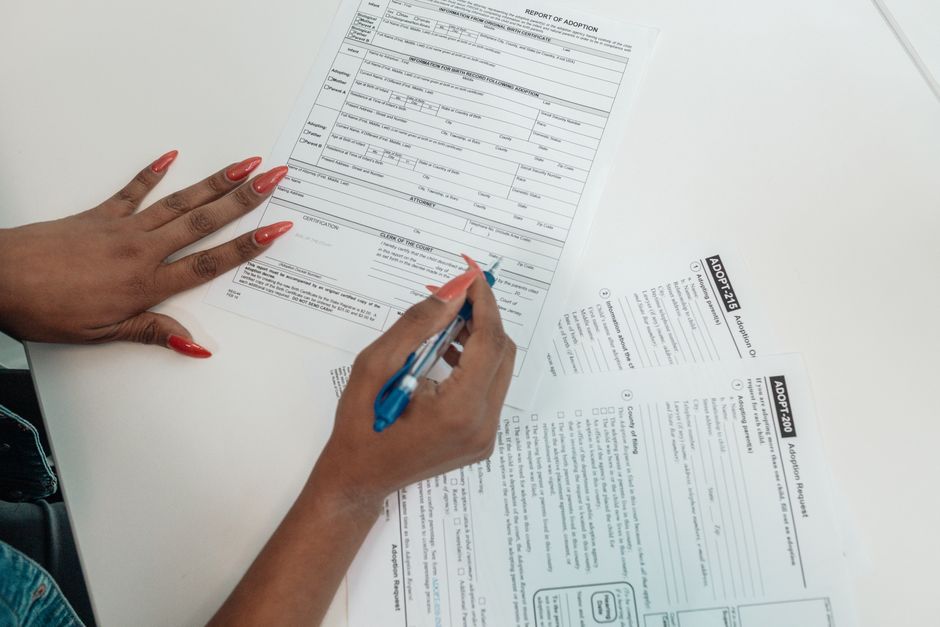
Step 1: Submit the Application. The fastest method to submit an application is online through the Washington Connection portal at washingtonconnection.org. Alternatively, applicants can call the DSHS Customer Service Contact Center at 877-501-2233, mail a paper application to the DSHS Customer Service Center, or apply in person at a local Community Services Office (CSO).
Step 2: Request Expedited Services. When filing, applicants should check if they qualify for expedited benefits. Expedited services require DSHS to make food benefits available within seven days of the application date. To qualify, a household must have less than $150 in monthly gross income and liquid resources under $100, or have combined housing and utility costs that exceed their gross income and liquid resources.
Step 3: Complete the Interview. Most applicants must complete an interview with a DSHS caseworker. This interview is typically conducted over the telephone, but applicants can request an in-person interview at a CSO. The caseworker will review the application details, clarify household circumstances, and identify what verification documents are required.
Step 4: Submit Verification Documents. After the interview, DSHS will send a request for verification documents. Applicants have 10 days from the request date to submit the paperwork. Documents can be uploaded directly to the Washington Connection website, faxed, mailed, or hand-delivered to a local office.
Step 5: Receive the Decision. DSHS must process standard applications within 30 days of the submission date. If approved, the applicant will receive a written notice detailing their monthly benefit amount and a Quest Card in the mail. If denied, the notice will state the reason for denial and provide instructions on how to appeal the decision.
Required Documents
DSHS requires verification of the information provided on the application to determine final eligibility. Submitting these documents quickly prevents delays in processing. The agency accepts photocopies, scanned images, and clear photographs of the documents.
The following table lists the categories of required information and the acceptable documents for each:
| Verification Category | Acceptable Documents |
|---|---|
| Identity | Driver’s license, state ID card, passport, birth certificate, or school ID. |
| Earned Income | Pay stubs for the last 30 days, tax returns for self-employed individuals, or a signed employer statement. |
| Unearned Income | Social Security award letters, child support order records, unemployment benefit statements, or pension statements. |
| Residency | Lease agreement, rent receipt, utility bill, or a written statement from a landlord. |
| Shelter & Utility Costs | Mortgage statement, property tax bill, rental agreement, and heating/cooling utility bills. |
| Medical Expenses | Detailed medical bills, pharmacy printouts, or health insurance premium statements (only for elderly or disabled members). |
If an applicant struggles to obtain these documents, DSHS staff must assist in obtaining the verification. Collateral contacts, such as a phone call from the caseworker to an employer or landlord, can serve as verification in cases where document retrieval is impossible.
Benefit Amounts & Duration
The amount of Basic Food benefits a household receives is calculated based on the household size and net monthly income. The USDA sets the maximum monthly allotments annually. The maximum monthly allotments for Washington residents from October 1, 2024, through September 30, 2025, are:
- 1 Person: $292
- 2 People: $536
- 3 People: $768
- 4 People: $975
- 5 People: $1,158
- 6 People: $1,390
- 7 People: $1,536
- 8 People: $1,755
For households with more than eight members, add $219 for each additional person. The actual benefit amount is calculated by taking the maximum allotment for the household size and subtracting 30% of the household’s net income. This calculation assumes that a household will spend 30% of its net income on food purchases.
Most households are certified to receive benefits for 12 months. Households consisting entirely of elderly or disabled members with no earned income are certified for 24 months. During the certification period, households must submit a Mid-Certification Review (MCR) form, usually in the sixth month, to report any changes in income or household composition. Failure to submit this review by the deadline results in the termination of benefits.
Understanding these financial calculations helps households plan their long-term budgets. Similar to how families learn from the dave ramsey food stamps story about transition strategies, Washington applicants should prepare for the eventual reduction of benefits as their earned income increases.
Common Questions & Mistakes
One common mistake applicants make is failing to report utility expenses. Washington uses a Standard Utility Allowance (SUA) that provides a fixed deduction for households that pay heating or cooling costs. Declaring these costs increases the shelter deduction, which lowers the calculated net income and increases the monthly food benefit amount.
Another error is failing to report changes in household status within the required timeframe. Under simplified reporting rules, households must report when their total gross monthly income exceeds 130% of the Federal Poverty Level. This report must be made by the 10th day of the month following the change. Failing to report this change can lead to an overpayment claim, requiring the household to pay back benefits.
During the winter, applicants should verify if they receive energy assistance through the Low Income Home Energy Assistance Program (LIHEAP). Washington operates a “Heat and Eat” program where receiving even a nominal LIHEAP payment automatically qualifies a household for the highest utility allowance. This policy prevents households from having to choose between heating their homes and buying food.

Administrative practices vary widely by region. For instance, applicants tracking southern programs might ask will georgia get food stamps in november due to local scheduling changes, or compare the process to applying for food stamps louisiana. Washington maintains a stable monthly issuance schedule based on the first letter of the recipient’s last name, distributed between the 1st and the 20th of every month.
Related Programs
Washington offers several complementary programs to assist low-income families. The State Food Assistance Program (FAP) provides benefits to legal immigrants who are ineligible for federal SNAP benefits due to their immigration status. FAP benefits are issued on the same Quest Card and follow the same rules as federal food stamps.
The Special Supplemental Nutrition Program for Women, Infants, and Children (WIC) provides nutrition education, breastfeeding support, and checks for specific healthy foods. WIC serves pregnant, postpartum, and breastfeeding women, infants, and children up to age five. Households can receive both WIC and Basic Food benefits simultaneously.
During the summer months, the SUN Bucks program (Summer EBT) provides school-aged children who qualify for free or reduced-price school meals with $120 per child to purchase food. This program addresses the nutritional gap when schools are closed. DSHS automatically issues SUN Bucks to qualifying households on a separate EBT card.
The Senior Farmers Market Nutrition Program provides eligible low-income seniors with checks to purchase fresh fruits, vegetables, and honey at authorized farmers markets. To qualify, seniors must be 60 or older (or 55 or older for American Indians/Alaska Natives) and have an income at or below 185% of the Federal Poverty Level.
FAQ
How long does it take to get food stamps in Washington?
DSHS has up to 30 days to process a standard application. If a household qualifies for expedited services, benefits must be made available within seven days of the application date. Applicants must complete their interview and submit required verification documents promptly to avoid delays beyond the 30-day window.
Can I apply for food stamps if I am homeless in Washington?
Yes. Homeless individuals and families can apply for and receive Basic Food benefits. They do not need a permanent address or a place to cook meals. Applicants can list a local shelter, a DSHS office, or a trusted friend’s address to receive program mailings.
What can I buy with the Washington Quest Card?
The Quest Card can buy food products intended for human consumption, including seeds and plants to grow food. It cannot purchase hot foods, alcohol, tobacco, pet food, cleaning supplies, cosmetics, or medicines. Using the card for prohibited items can result in disqualification from the program.
Are college students eligible for Basic Food in Washington?
College students enrolled at least half-time must meet specific exemptions to qualify. Exemptions include working at least 20 hours per week, participating in a state or federally financed work-study program, caring for a child under age six, or being enrolled in a career or technical education program. Students must also meet the standard income limits.
How do I check the balance on my Washington EBT card?
Cardholders can check their balance by calling the Quest Customer Service line at 888-328-9277. Balances can also be checked online through the Cardholder Portal or by reviewing the bottom of the last purchase receipt. Cardholders should monitor their transactions to protect against unauthorized usage.
What should I do if my application is denied?
Applicants who disagree with a DSHS decision have the right to request a fair hearing within 90 days of the decision date. A fair hearing is an administrative review conducted by an administrative law judge who is independent of DSHS. The request can be made in writing
