
Academic Calendar Cambridge: A Complete Guide for US Students
The academic calendar cambridge relies on three distinct eight-week terms—Michaelmas, Lent, and Easter—totaling just 24 weeks of formal instruction per year. This structure is significantly shorter than the standard US academic year, which typically spans 30 to 32 weeks across two semesters or three quarters. Understanding this condensed timeline is essential for international applicants who must adjust to a fast-paced learning environment.
Academic Calendar Cambridge Overview
The University of Cambridge divides its academic year into three terms that align with historical English court and religious seasons. Michaelmas term begins in October and ends in December, serving as the autumn term. Lent term starts in January and concludes in March, while Easter term runs from April to June.
Each term contains a designated period called “Full Term,” which represents the exact eight weeks when formal teaching occurs. Lectures, seminars, and supervisions are concentrated entirely within these 56 days. Outside of Full Term, the university remains open, but formal undergraduate instruction ceases.

For US students accustomed to 15-week semesters, the intensity of an eight-week term requires immediate academic engagement. There is no transition period or “syllabus week” at the start of the term. Lectures and assignments begin on the first Thursday of Full Term.
Key Information & Requirements
Students must reside in Cambridge for a minimum number of nights to qualify for their degrees. This residency requirement is known as “keeping term” and is strictly monitored by individual colleges. Students must sleep within the university precincts, defined as a three-mile radius from Great St Mary’s Church, for 59 nights during Michaelmas and Lent terms, and 52 nights during Easter term.
The academic week in Cambridge runs from Thursday to Wednesday, rather than Monday to Friday. This cycle affects assignment deadlines, lecture schedules, and weekly supervision preparation. Knowing this schedule helps students plan their weekly study hours effectively.
Consulting the official university of cambridge academic calendar ensures that students do not book travel before the official end of Full Term. Returning home early can result in disciplinary action or the failure to “keep term.” The vacation periods between terms last five weeks for Christmas and Easter, providing time for independent study and research.
Step-by-Step Guide
Application Process
The application timeline for Cambridge starts nearly a year before the intended enrollment date. Prospective students must submit their applications through the Universities and Colleges Admissions Service (UCAS) by October 15. This deadline is much earlier than the typical January deadlines of US universities.
Following the UCAS submission, applicants receive a link to complete the My Cambridge Application form. This additional form collects specific information not included in the standard UCAS application, such as high school transcript details and course choices. The deadline for this form is October 22.
Many courses require subject-specific admissions assessments, which students take in October or early November. These tests include the Engineering and Science Admissions Test (ESAT) and the Test of Mathematics for University Admission (TMUA). Candidates must register for these exams independently by late September.
Academic interviews take place during the first three weeks of December. These interviews are conducted by college fellows and focus entirely on academic problem-solving and subject knowledge. Admissions decisions are communicated to applicants in mid-January.
Learning Path
Once admitted, students follow a structured progression through the three terms of the academic calendar cambridge. The first two terms, Michaelmas and Lent, focus on delivering new course content through lectures and practical sessions. Students write weekly essays or complete problem sheets for their supervisions.
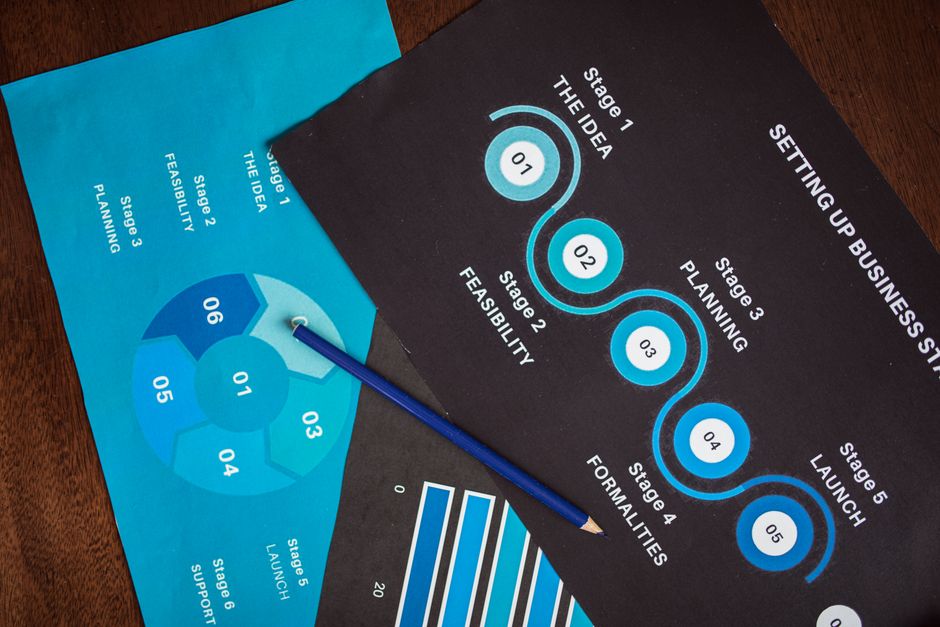
Easter term shifts the academic focus from learning new material to revision and examination. Lectures finish early in this term to allow students to prepare for university exams. Most written examinations occur during May and June.
After exams conclude in June, students receive their class lists and marks. The academic year culminates in General Admission, the formal graduation ceremony held in late June. Undergraduate students then depart for the three-month summer vacation.
Costs & Financial Aid
Tuition fees at the University of Cambridge vary based on the course of study and fee status. For international students, including US citizens, annual tuition fees range from £24,500 for humanities subjects to over £64,000 for clinical medicine. These fees do not cover living expenses or college fees.
In addition to tuition, all students must pay a separate college fee to cover domestic services and academic support. College fees range from £10,000 to £12,000 per year depending on the specific college. This fee is mandatory for all matriculated students.
Living expenses, including accommodation, food, and personal items, require a budget of at least £14,600 per year. The UK Visas and Immigration department requires international students to prove they have these funds before issuing a student visa. Total annual costs for a US student typically range from £49,100 to £90,600.
US students can fund their studies using William D. Ford Federal Direct Loans by completing the FAFSA. The University of Cambridge is an eligible foreign institution with the school code G08328. Private loans and specific scholarships, such as the Gates Cambridge Scholarship for postgraduate study, are also available.
Tips for Success
Managing the intense workload of an eight-week term requires strict time management from day one. Students should treat study as a full-time job, dedicating 35 to 40 hours per week to independent reading and essay writing. Procrastination during a short term leads to academic backlog that is difficult to clear.
Vacations in the Cambridge calendar are not purely holidays. Professors expect students to read ahead for the next term and consolidate the material learned in the previous term. Planning at least two weeks of solid study during the Christmas and Easter breaks prevents academic burnout.
Students must utilize their college support networks, including their Director of Studies and personal Tutor. The Director of Studies oversees academic progress, while the Tutor handles welfare and personal matters. Addressing academic difficulties early prevents them from escalating during the short term.
Resources & Tools
The Cambridge Student Information System (CamSIS) serves as the central portal for managing academic records, course enrollments, and personal details. Students use CamSIS to view exam timetables and access official transcripts. The system is accessible using university login credentials.
The Cambridge University Reporter is the official journal of the university, published every Wednesday during term time. It contains notices of university elections, changes to ordinances, and official term dates. Students can access current and archived editions online to verify academic regulations.
Individual college intranets provide specific details regarding room booking, meal schedules, and local library hours. These platforms complement the central university resources by offering localized support. Students should check their college portal daily for internal updates.
FAQ
How long is each term in the academic calendar cambridge?
Each Full Term in the Cambridge calendar lasts exactly eight weeks, providing 56 days of formal instruction. The total period of instruction across the three terms is 24 weeks per year. This is shorter than the standard academic year found in most US universities.
Can US students use FAFSA at Cambridge?
Yes, US citizens can apply for federal student aid to study at Cambridge using the Free Application for Federal Student Aid (FAFSA). The university processes Direct Subsidized, Direct Unsubsidized, and Direct PLUS loans. The school code for the University of Cambridge is G08328.
What is the difference between Term and Full Term?
Term refers to the broader period during which the university operates and students can reside in college accommodation. Full Term is the precise eight-week window within the term when all lectures, seminars, and supervisions take place. Students must be in residence for the entirety of Full Term.
When do examinations take place at Cambridge?
Most undergraduate examinations take place during the Easter term, specifically in May and June. Some courses may have practical assessments or preliminary exams at the start of Lent term. Students receive their specific exam timetables during the first half of the Easter term.
Are undergraduate students allowed to work during the term?
The University of Cambridge does not permit undergraduate students to take up employment during Full Term. The intensive nature of the academic schedule makes part-time work impractical. Exceptions are only made for limited college-internal roles, such as library assistance or student tour guiding.
What happens if a student misses the October 15 application deadline?
Late applications are not considered by the University of Cambridge. The October 15 deadline is a strict national deadline set by UCAS for all applicants to Oxford and Cambridge. Students who miss this date must wait until the following academic cycle to apply.
