
Food Stamps Iowa Application: A Complete Step-by-Step Guide to Iowa SNAP
Securing adequate nutrition is a fundamental necessity for every household. In the state of Iowa, the Supplemental Nutrition Assistance Program (SNAP) helps low-income individuals and families purchase the food they need to maintain good health. Often referred to as food stamps, this federal program is administered locally to ensure that no resident has to face hunger alone.
Navigating the application process for public benefits can sometimes feel overwhelming. Understanding the specific eligibility guidelines, documentation requirements, and submission steps is crucial to securing your benefits without unnecessary delays. This comprehensive guide will walk you through the entire process of completing your food stamps iowa application successfully.
Whether you are applying for the first time or seeking to understand recent updates to the program, this resource provides the clear, objective information you need. Let us explore how the program works and how you can access these essential food assistance benefits.
Iowa SNAP Overview
The Supplemental Nutrition Assistance Program in Iowa is designed to supplement the food budgets of needy families. Administered by the Iowa Department of Health and Human Services (HHS), the program provides monthly benefits loaded onto an electronic benefits transfer (EBT) card. This card functions similarly to a debit card and can be used at authorized retail food stores and farmers’ markets across the state.

SNAP is a cooperative federal-state program. While the federal government funds the actual food benefits, the state of Iowa shares the administrative costs and manages the day-to-day operations, including processing each food stamps iowa application. This structure ensures that local offices can address the specific needs of Iowa communities while adhering to federal standards.
It is important to note that SNAP is not designed to cover all of a household’s food expenses. Instead, it is intended to work alongside your existing budget to help you purchase healthy food options such as fruits, vegetables, grains, dairy, and meats. Understanding this distinction helps households plan their budgets more effectively.
While some financial experts discuss the role of government assistance, such as the famous dave ramsey food stamps story, the reality is that SNAP provides a vital safety net for millions of working families. In Iowa, thousands of households rely on these monthly distributions to bridge the gap between their income and their basic nutritional needs.
Eligibility Requirements
To qualify for food assistance in Iowa, your household must meet specific non-financial and financial criteria. The state evaluates your household size, income, expenses, and residency to determine if you qualify. A household is generally defined as people who live together and purchase and prepare meals together.
Income Limits
Financial eligibility is primarily determined by your household’s gross and net income. Gross income refers to your total income before any taxes or deductions are taken out. Net income is your gross income minus allowable deductions, such as housing costs, utilities, child care, and medical expenses for elderly or disabled members.
In Iowa, most households must have a gross income at or below 160% of the Federal Poverty Level (FPL). However, if your household includes an elderly member (aged 60 or older) or a person receiving disability benefits, different rules apply, and you may only need to meet the net income test. The income thresholds are updated annually by the federal government.
Below is an overview of the typical monthly gross income limits based on household size:
- Household of 1: $1,957
- Household of 2: $2,654
- Household of 3: $3,350
- Household of 4: $4,047
- Household of 5: $4,744
- Household of 6: $5,440
- Household of 7: $6,137
- Household of 8: $6,834
- Each additional member: Add $697
Unlike some states, Iowa generally does not enforce an asset limit for most SNAP applicants. This policy, known as broad-based categorical eligibility, means you do not have to worry about the value of your savings accounts, retirement funds, or vehicles preventing you from qualifying. However, asset limits of $3,000 to $4,500 may still apply if a household member has been disqualified due to a program violation.
Age/Residency
To receive benefits, you must be a current resident of the state of Iowa. You will need to provide proof of your physical address, though accommodations are made for individuals experiencing homelessness. U.S. citizens and certain qualified legal immigrants are eligible to apply for benefits.
Age also plays a role in determining work requirements. Able-bodied adults without dependents (ABAWDs) between the ages of 18 and 54 are subject to specific work rules to maintain their benefits. These individuals must work or participate in an approved work training program for at least 80 hours per month, or their benefits will be limited to three months in a 36-month period.
Exemptions to these work requirements exist for those who are physically or mentally unfit for employment, pregnant individuals, or those caring for a dependent child or an incapacitated household member. If you believe you qualify for an exemption, you must state this clearly during your food stamps iowa application process.
How to Apply (Step-by-Step)
Applying for food assistance in Iowa is a structured process that can be completed through several convenient methods. You can choose the option that best fits your access to technology and transportation. Regardless of the method you choose, your application will be processed using the same state criteria.
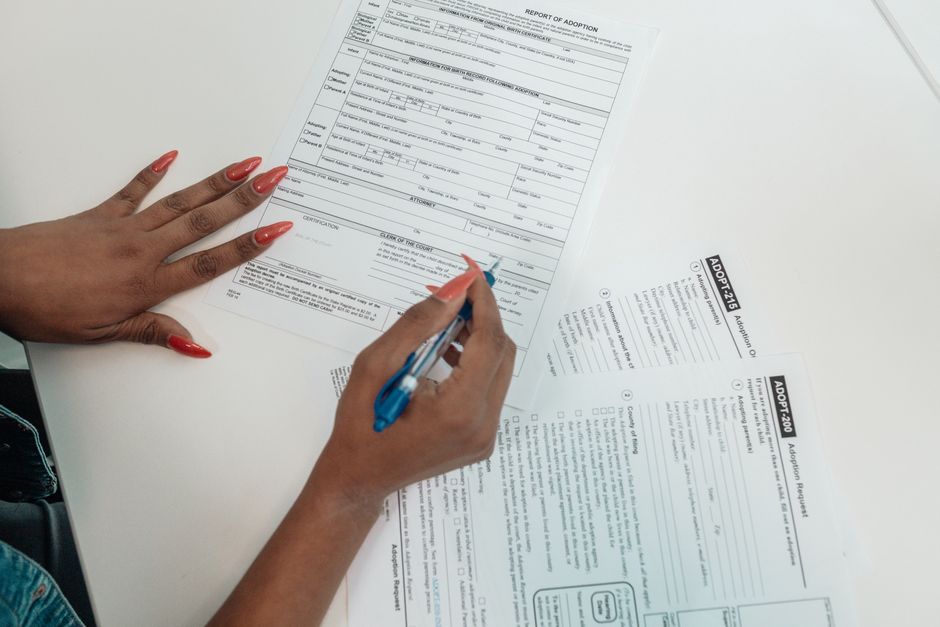
Follow these steps to submit your food stamps iowa application successfully:
- Step 1: Gather Your Information. Before starting the application, collect all necessary personal and financial details. Having your documents ready will prevent the application session from timing out online and help you answer questions accurately.
- Step 2: Choose Your Application Method.
- Online: The fastest way to apply is through the Iowa HHS Services Portal. You can create an account, fill out the form, and upload your documents directly.
- By Mail or Fax: You can download a paper application from the Iowa HHS website, print it, fill it out, and mail or fax it to your local county HHS office.
- In Person: You can visit your local county HHS office to pick up a paper application, fill it out on-site, and speak with staff if you have immediate questions.
- Step 3: Submit the Application. Once completed, submit your form. The date the agency receives your signed application is considered your official application date, which determines when your benefits will start if you are approved.
- Step 4: Complete the Interview. After submitting your application, you will be scheduled for an interview with an HHS caseworker. This interview is typically conducted over the telephone, though you can request an in-person meeting if necessary.
- Step 5: Provide Verification Documents. The caseworker will request specific documents to verify the information you provided during the application and interview. You must submit these documents within the requested timeframe, usually 10 days.
- Step 6: Receive Your Decision. Iowa HHS has up to 30 days to process your application. If you qualify for expedited benefits due to extremely low income and assets, your application must be processed within seven days.
Comparing the application systems, the Iowa portal is quite similar to the online platforms used for indiana food stamps and the louisiana snap food stamp program. Each of these states utilizes electronic portals to streamline document submission and reduce processing times for applicants.
Required Documents
To verify the details of your food stamps iowa application, you must provide supporting documentation. Failing to submit these documents is one of the most common reasons applications are delayed or denied. It is highly recommended to start gathering these items as soon as you decide to apply.
You will need to provide proof for several categories of information, including:
- Identity and Citizenship: A driver’s license, state ID card, birth certificate, or U.S. passport. Non-citizens must provide alien registration cards or immigration documents.
- Social Security Numbers: Social Security cards or official documentation showing the SSN for every household member applying for benefits.
- Earned Income: Pay stubs for the last 30 days. If you are self-employed, you will need to provide your most recent federal tax return, including Schedule C.
- Unearned Income: Award letters or statements showing income from Social Security, Supplemental Security Income (SSI), child support, alimony, unemployment benefits, or pensions.
- Residency: A lease agreement, utility bill, or mortgage statement showing your current Iowa address.
- Expenses: Proof of shelter costs (rent or mortgage), utility bills, child care expenses, and child support paid to someone outside the household.
- Medical Expenses: For household members who are elderly or disabled, receipts or bills for out-of-pocket medical expenses can help maximize your benefit amount.
Just as with the process for obtaining food stamps louisiana, Iowa requires applicants to verify all sources of household income. Keeping organized records will ensure your caseworker can quickly evaluate your case and approve your benefits.
Benefit Amounts & Duration
The amount of monthly SNAP benefits you receive is determined by your household size and net monthly income. The federal government sets maximum benefit allotments each fiscal year. If your household has zero net income, you will receive the maximum allotment. For households with income, the state calculates that you will spend 30% of your net income on food, and subtracts that amount from the maximum allotment.
The maximum monthly allotments for SNAP benefits are structured as follows:
- 1 Person: $292
- 2 People: $536
- 3 People: $768
- 4 People: $975
- 5 People: $1,158
- 6 People: $1,390
- 7 People: $1,536
- 8 People: $1,756
- Each additional person: Add $220
Once your food stamps iowa application is approved, you will receive a certification period. This is the length of time you are approved to receive benefits before you must reapply or complete a renewal form. For most households, the certification period is 12 months. Households consisting entirely of elderly or disabled members may receive a 24-month certification period.
During your certification period, you are required to report certain changes to the HHS within 10 days of the change occurring. This includes changes in your household size, address, or gross monthly income if it exceeds the limit for your household size. Failure to report these changes can result in an overpayment, which you will be required to pay back.
Common Questions & Mistakes
Many applicants experience delays or denials due to simple, avoidable errors. One common mistake is failing to list everyone living in the home. Even if a roommate or relative does not share meals with you, they must be declared on the application so the caseworker can determine if they should be included in the SNAP household.
Another frequent issue is missing the scheduled phone interview. Iowa HHS will mail you a notice with a specific date and time for your interview. If you miss this call, it is your responsibility to contact the office immediately to reschedule. If you do not complete the interview within 30 days of submitting your food stamps iowa application, your application will be denied.
If you are moving or have family in other regions, you might wonder about local schedules, such as will georgia get food stamps in november, as states handle distribution dates differently. In Iowa, SNAP benefits are distributed monthly over the first ten calendar days of the month, based on the first letter of your last name. Knowing your distribution date helps you budget your food purchases throughout the month.
Related Programs
In addition to SNAP, Iowa offers several other programs designed to assist low-income residents with their basic needs. If you qualify for food stamps, you may also be eligible for these supportive services. Combining these resources can help stabilize your household finances and improve your overall well-being.
Some of the key related programs in Iowa include:
- Women, Infants, and Children (WIC): A program providing nutrition education, breastfeeding support, and healthy foods to pregnant women, new mothers, and children up to age five.
- Low-Income Home Energy Assistance Program (LIHEAP): Helps qualifying households pay a portion of their home heating costs during the winter months.
- Temporary Assistance for Needy Families (TANF) / Family Investment Program (FIP): Provides temporary cash assistance to low-income families with children while they work toward self-sufficiency.
- National School Lunch and Breakfast Programs: Offers free or reduced-price meals to eligible children attending public and non-profit private schools.
FAQ
How long does it take to get approved for SNAP in Iowa?
Standard applications are processed within 30 days of submission. If you qualify for emergency or expedited benefits, your application will be reviewed and processed within seven days. You must meet specific low-income and low-asset criteria to qualify for expedited processing.
What items are prohibited from being purchased with Iowa SNAP?
You cannot use your SNAP benefits to buy alcohol, tobacco, hot prepared foods ready for immediate consumption, pet food, soap, paper products, household supplies, vitamins, medicines, or cosmetics. EBT benefits are strictly reserved for human food items and seeds or plants to grow food.
Can college students receive food stamps in Iowa?
Most college students enrolled at least half-time are not eligible for SNAP. However, students may qualify if they meet specific exemptions, such as working at least 20 hours per week, participating in a state-funded work-study program, caring for a young child, or receiving cash assistance benefits.
How do I check my Iowa EBT card balance?
You can check your balance by reviewing your last store receipt, logging into the official Iowa EBT cardholder website, or calling the customer service number printed on the back of your card. It is recommended to check your balance before shopping to plan your purchases.
What should I do if my application is denied?
If your food stamps iowa application is denied and you disagree with the decision, you have the right to appeal. You must request a fair hearing within 90 days of the decision date. Instructions on how to file an appeal are included in your official denial letter.
Conclusion
Completing a food stamps iowa application is a proactive step toward ensuring your household has access to nutritious food. By understanding the eligibility rules, gathering the necessary verification documents, and completing your interview, you can navigate the process with confidence. These benefits serve as a vital tool to support your family’s health and financial stability.
If you experience changes in your income or household size, remember that you can reapply at any time. The Iowa Department of Health and Human Services is available to assist you throughout the application process. Take advantage of the resources available to you and ensure your family remains food secure.
