
Food Stamps Office NYC Brooklyn: Complete SNAP Guide & Locations
Navigating public assistance programs can be challenging, especially in a bustling metropolis like New York City. For residents of Kings County, finding the right resources is essential to maintaining household food security. The Supplemental Nutrition Assistance Program (SNAP), formerly known as food stamps, offers critical nutritional support to low-income individuals and families.
To access these benefits, many residents rely on the services provided by a local food stamps office nyc brooklyn location. These physical centers, managed by the New York City Human Resources Administration (HRA), offer in-person assistance for applications, document submission, and case management. Understanding how to navigate these offices and the application process can significantly speed up your access to benefits.
This comprehensive guide provides detailed information on eligibility requirements, step-by-step application instructions, and a directory of SNAP centers in Brooklyn. Whether you are applying for the first time or seeking to renew your benefits, this resource will help you navigate the system efficiently.
Supplemental Nutrition Assistance Program (SNAP) Overview
The Supplemental Nutrition Assistance Program (SNAP) is a federally funded program administered at the state and local levels. In New York City, the Department of Social Services (DSS) and the Human Resources Administration (HRA) oversee the distribution of these benefits. The primary goal of the program is to supplement the food budget of low-income families, allowing them to purchase healthy, nutritious food.

While online services have expanded significantly in recent years, visiting a physical food stamps office nyc brooklyn center remains a vital option for many. In-person offices provide access to self-service computer kiosks, document scanners, and face-to-face assistance from HRA caseworkers. These centers are especially important for individuals who lack reliable internet access or require language translation services.
SNAP benefits are distributed monthly via an Electronic Benefit Transfer (EBT) card, which functions similarly to a debit card. This card can be used at authorized retail food stores, supermarkets, and even participating farmers’ markets across the city. By utilizing these benefits, eligible households can free up income for other essential expenses, such as rent, utilities, and medical care.
Eligibility Requirements
To qualify for SNAP benefits in New York City, applicants must meet specific criteria established by federal and state regulations. Eligibility is primarily determined by household size, gross income, net income, and residency status. The HRA evaluates these factors during the application process to determine both eligibility and the monthly benefit amount.
Income Limits
Income limits are a primary factor in determining eligibility for SNAP. New York State utilizes a gross income limit, which is the total income earned before taxes and deductions, and a net income limit, which is the income remaining after allowable deductions. For most households, the gross income limit is set at 130% to 150% of the Federal Poverty Level (FPL).
For households that contain an elderly person (60 years of age or older) or an individual receiving disability benefits, the income threshold is higher, often up to 200% of the FPL. It is important to note that New York State does not currently enforce an asset test for the majority of SNAP applicants. This means that savings accounts, retirement funds, and personal vehicles are generally not counted against your eligibility, unlike the asset policies found in other states like indiana food stamps guidelines.
Allowable deductions can significantly lower your calculated net income, making it easier to qualify. These deductions include costs associated with shelter, utilities, child care, child support payments, and out-of-pocket medical expenses for elderly or disabled household members. Properly documenting these expenses when visiting a food stamps office nyc brooklyn location can make a substantial difference in your final benefit determination.
Age/Residency
Applicants must be residents of New York State and, specifically, residents of New York City to apply through the local HRA system. Proof of address is required during the application process, though accommodations are made for individuals experiencing homelessness. There are no specific age requirements to receive SNAP, but age does influence how a household is defined and evaluated.
Able-Bodied Adults Without Dependents (ABAWDs) aged 18 to 54 may face specific work requirements to maintain their benefits for more than three months in a three-year period. These work requirements often involve participating in qualifying work programs or working at least 80 hours per month. Seniors (aged 60 and older) and disabled individuals are exempt from these work rules and may qualify for simplified application processes, such as the New York State Nutrition Improvement Project (NYSNIP).
U.S. citizens and certain qualified non-citizens, such as lawful permanent residents (green card holders) who have resided in the country for at least five years, are eligible to apply. Undocumented individuals are not eligible for SNAP, but they can apply on behalf of their eligible, U.S.-citizen children. Seeking guidance at a food stamps office nyc brooklyn center can help mixed-status families understand their options without fear of negative immigration consequences.
How to Apply (Step-by-Step)
Applying for SNAP in Brooklyn can be completed through several channels, including online, by mail, or in person. The HRA encourages the use of online portals to reduce wait times, but in-person support remains available for those who need it. Below is a step-by-step guide to navigating the application process successfully.
Step 1: Submit Your Application
The fastest way to apply is online through the ACCESS HRA website or mobile application. If you prefer a physical application, you can download and print the form from the HRA website, or pick one up at a food stamps office nyc brooklyn location. Completed paper applications can be mailed to the Centralized SNAP Office or submitted in person at your nearest Brooklyn SNAP center.
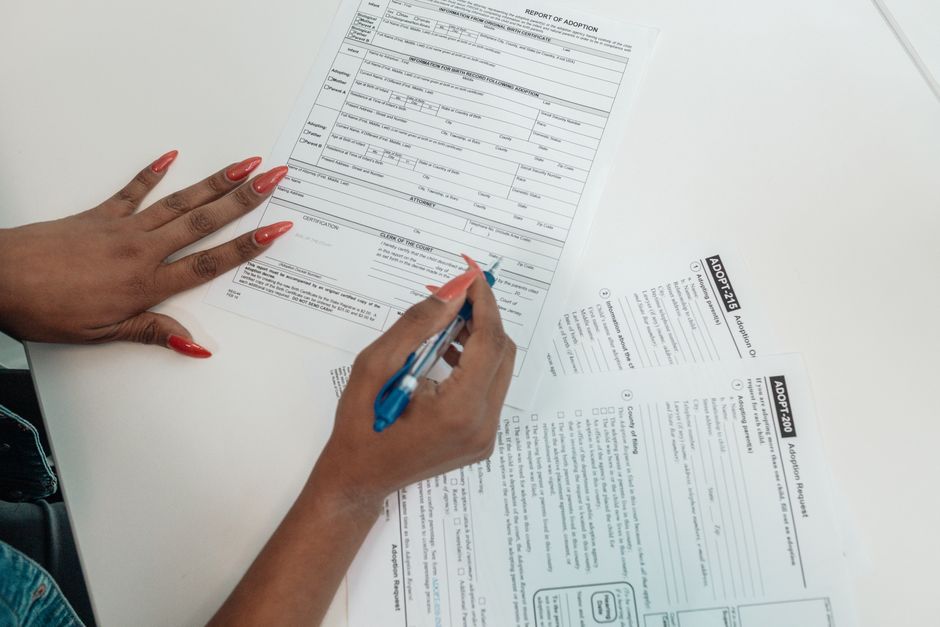
Step 2: Gather Your Documentation
Immediately after submitting your application, you should begin gathering the necessary verification documents. If applying online, you can upload photos of these documents directly through the ACCESS HRA mobile app. If applying in person, bring physical copies of these documents to the food stamps office nyc brooklyn center to be scanned into your file.
Step 3: Complete the Interview
Most applicants are required to complete an eligibility interview. While these interviews are typically conducted over the telephone, you can request an in-person interview if you prefer. During the interview, a caseworker will review your application details, verify your income, and ask for clarification on any expenses or household members listed.
Step 4: Receive Your Determination
The HRA is required to process your application and send a determination letter within 30 days of submission. If you qualify for expedited SNAP benefits due to extremely low income and assets, your application must be processed within five days. Once approved, your EBT card will be mailed to your address, or you can pick it up at a designated EBT card distribution site in Brooklyn.
To assist you in finding an in-person location, here are the primary HRA SNAP centers operating in Brooklyn:
- Coney Island SNAP Center (S22): 3050 West 21st Street, Brooklyn, NY 11224
- East New York SNAP Center (S28): 404 Pine Street, Brooklyn, NY 11208
- Fort Greene SNAP Center (S20): 275 Marcus Garvey Blvd, Brooklyn, NY 11221
- Refugee & Immigrant SNAP Center: 94-98 Flatbush Ave, Brooklyn, NY 11217
Required Documents
To avoid delays in processing your application, it is critical to submit all required verification documents promptly. Missing documentation is the most common reason for application delays or denials. When submitting paperwork online or presenting it at a food stamps office nyc brooklyn location, ensure all copies are clear and legible.
You must provide proof of identity for the primary applicant and all household members. Acceptable documents include driver’s licenses, state ID cards, birth certificates, or US passports. Additionally, you must verify your residency in Brooklyn using documents such as a current lease agreement, a landlord statement, utility bills, or rent receipts.
Verification of income is perhaps the most scrutinized part of the application. You will need to provide consecutive pay stubs for the last four weeks if you are employed, or tax returns if you are self-employed. If you receive unearned income, such as Social Security, child support, unemployment benefits, or pensions, you must provide award letters or official statements showing the monthly amounts. For comparison, administrative systems like the food stamps louisiana program require similar verification methods to prevent fraud.
Benefit Amounts & Duration
The amount of SNAP benefits a household receives is based on the maximum allotment for the household size, minus 30% of the household’s net income. This calculation assumes that a household should spend 30% of its net resources on food. The USDA sets the maximum monthly allotments annually, adjusting for inflation and food costs.
For a single individual, the maximum monthly allotment is designed to cover basic nutritional needs, while larger families receive proportionally higher amounts. If a household has zero net income, they will receive the full maximum allotment. As income increases, the benefit amount gradually decreases until the household reaches the eligibility limit.
Once approved, your certification period determines how long you will receive benefits before needing to renew. Most households in Brooklyn are certified for 12 months, though households with stable incomes (like seniors or disabled individuals) may be certified for up to 24 months. Conversely, households with fluctuating income may require recertification every six months to ensure benefit accuracy.
Common Questions & Mistakes
One of the most common mistakes applicants make is failing to complete their annual recertification. The HRA will send a notice when it is time to renew your benefits, and ignoring this notice will result in your case closing. If your case closes, you may have to visit a food stamps office nyc brooklyn center to reapply, causing a gap in your monthly assistance.
Another frequent error is failing to report changes in household circumstances. You are required to report changes in income, household size, or address within 10 days of the change occurring. Failing to report these updates can lead to overpayments, which the state will require you to pay back, or underpayments, leaving you with fewer resources than you deserve.
Many individuals also assume that they cannot qualify for SNAP if they are working. In reality, a large percentage of SNAP recipients are employed but earn wages that fall below the poverty line. Navigating these public benefit systems can be complex, and personal finance experts often discuss the transition from government assistance to self-sufficiency, as highlighted in the dave ramsey food stamps story.
Related Programs
In addition to SNAP, there are several other food and utility assistance programs available to low-income residents in Brooklyn. The Special Supplemental Nutrition Program for Women, Infants, and Children (WIC) provides targeted nutritional support, healthcare referrals, and nutrition education for pregnant women, new mothers, and infants. WIC benefits can be used alongside SNAP to maximize a family’s nutritional budget.

For seasonal assistance, the Home Energy Assistance Program (HEAP) helps low-income households pay the cost of heating their homes during the winter months. In New York, receiving SNAP benefits often makes you automatically eligible for certain tiers of HEAP assistance. This integration is common across many state systems, including the louisiana snap food stamp program, which coordinates multiple aid programs to streamline administrative costs.
Emergency food programs, such as local food pantries and soup kitchens, operate throughout Brooklyn to assist families during times of immediate crisis. Unlike SNAP, these community-based resources do not require a lengthy application process and can provide immediate relief. When policy shifts occur, such as debating whether will georgia get food stamps in november or how local municipal budgets adjust, these local pantries often experience fluctuations in demand.
FAQ
Where is the nearest food stamps office NYC Brooklyn?
The nearest office depends on your specific neighborhood. Major centers include the East New York SNAP Center at 404 Pine Street and the Fort Greene SNAP Center at 275 Marcus Garvey Blvd. You can use the ACCESS HRA site locator online to find the exact location assigned to your zip code.
Can I apply for SNAP in Brooklyn if I am homeless?
Yes, individuals experiencing homelessness are eligible to apply for SNAP. You do not need a permanent address to qualify. You can list a local shelter, a post office box, or the address of a food stamps office nyc brooklyn center as your mailing address to receive your EBT card and correspondence.
How long does it take to get my EBT card after approval?
Once your application is approved, your EBT card is typically mailed to you and should arrive within 7 to 10 business days. If you qualify for expedited benefits, you can visit a designated HRA over-the-counter card issuance site in Brooklyn to receive your card immediately.
What should I do if my SNAP application is denied?
If your application is denied and you disagree with the decision, you have the right to request a Fair Hearing. You must request this hearing within 90 days of the date on the denial notice. You can present evidence, such as pay stubs or rent receipts, to an administrative law judge to contest the HRA’s decision.
Can I use my New York EBT card in other states?
Yes, SNAP is a federal program, and your New York EBT card can be used at authorized retail food stores anywhere in the United States. If you travel or temporarily relocate, your benefits will remain active and usable on your card.
